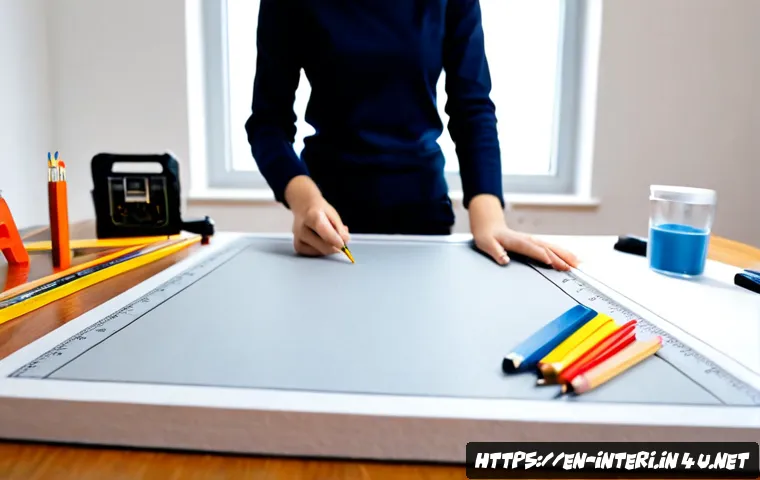
In most practical interior construction exams, accurate drawings, complete required content, and readable documentation usually matter more than decorative rendering.
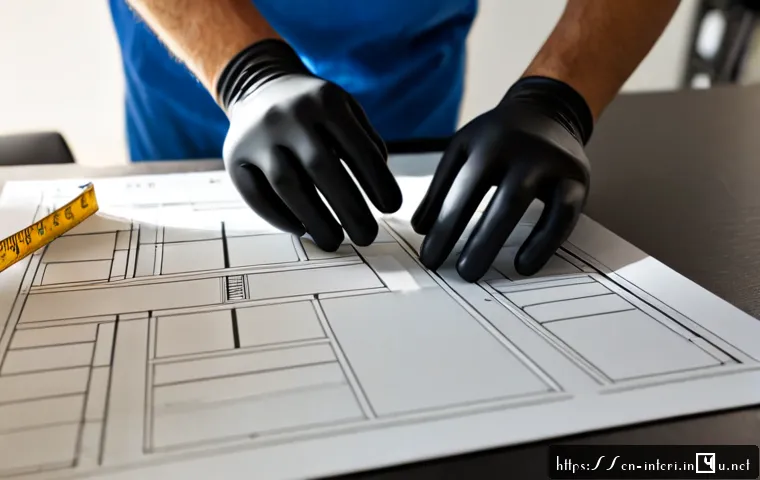
The safest preparation strategy is to treat the current task brief as a checklist and protect marks by finishing every required deliverable clearly. Candidates who already draft confidently may benefit most from timed mock feedback, while those struggling with drawing fundamentals may prefer a structured drafting course.
Practice books, drafting supplies, and review services can be useful purchases when they address a specific weakness rather than adding more material to an unfocused routine.
Always confirm the current examination notice, permitted-materials list, and task instructions before making final study or equipment decisions.
At a Glance
- Accuracy, completeness, and readable technical information usually take priority over decorative finish.
- A strong-looking drawing can still lose value if a required sheet, note, dimension, or annotation is missing.
- Use the current official task instructions as the final reference for deliverables, materials, and exam conditions.
| Preparation Option | Cost Consideration | Time Commitment | Best Fit |
|---|---|---|---|
| Self-study with practice books and drafting supplies | Usually focused on the materials you choose to buy | Flexible, but requires self-discipline | Candidates who can identify their own weak points and follow timed practice plans |
| Mock-exam feedback or portfolio-style review | Additional spending for individual review | Requires completed practice work before feedback is useful | Candidates who need an outside check for omissions, clarity, or drawing consistency |
| Structured drafting course | May cost more than independent practice resources | Fixed lessons and scheduled assignments | Candidates who need a repeatable foundation in technical drawing and exam workflow |
What Evaluators Usually Look for in a Practical Interior Construction Submission
Accuracy, required content, and readability come before visual flair
Practical interior construction work is generally judged through the information a drawing communicates. A submission should make it easy to see the intended dimensions, scale, labels, annotations, and required construction-related details. Technical accuracy means the drawing information is internally consistent. Completeness means every requested item is present. Legibility means a reviewer can read the information without guessing.
Presentation still matters, but mainly because it supports clarity. Clean linework, organized notes, and readable lettering can help a reviewer follow the submission efficiently. Decorative rendering may improve the appearance of a sheet, but it does not replace dimensions, specifications, or required annotations. When time is limited, complete technical information before spending effort on visual polish.
Use the current task brief as the final authority
Practical-exam grading criteria can vary by certification body, examination session, task type, and published candidate instructions. Do not rely only on an older practice book, a previous candidate’s drawing set, or general advice from a drafting course. Compare every practice task with the current official examination notice.
Before practice begins, identify the required deliverables, the stated format, the permitted materials, and any instructions attached to the task. A preparation resource is useful only when it helps you work within those current requirements. If a course or feedback program uses sample tasks, ask whether its exercises are designed to be checked against the published task format.
A Scoring-Priority Table for Drawings, Notes, and Presentation
| Priority Area | What to Protect First | Practical Check |
|---|---|---|
| Required deliverables | All requested drawings, notes, and documentation | List every required item before drafting and tick it off at the end. |
| Technical consistency | Matching dimensions, labels, and related drawing information | Compare linked views instead of checking each sheet in isolation. |
| Scale and dimensions | Clear scale use and readable dimension information | Confirm that scale-related details and dimensions do not contradict each other. |
| Annotations | Required labels, notes, and material notation | Check that handwriting or text remains readable at normal viewing distance. |
| Presentation | Orderly layout and clean linework | Improve appearance only after essential technical content is complete. |
High-risk omissions that can undermine an otherwise solid submission
The most preventable losses often come from missing requested content. A polished plan may not fully meet the task if a required annotation, dimension, detail, or other deliverable is absent. This is why candidates should not judge practice work only by whether it “looks finished.” A better question is: Can I point to every item requested in the task instructions?
Create a simple deliverables list for each timed practice session. Divide it into drawings, dimensions, labels, notes, and final presentation checks. This turns the official brief into a working control system rather than something you read only once at the beginning.
Technical clarity versus optional rendering effort
Optional rendering can be tempting because it makes a submission feel more complete. However, a visually attractive sheet with unclear notes or rushed dimensions is not a safe trade-off. Use rendering only when it does not interfere with technical clarity or completion.
A practical rule is to reserve visual finishing for the final stage. First complete required drawing information. Next, correct unreadable text, inconsistent dimensions, and unclear material notation. Only then decide whether any remaining time can improve the presentation. This order is especially useful for candidates who tend to spend too long refining one area of a sheet.
Build a Practice Workflow That Protects Marks Under Time Pressure
Read, plan, draft, check, and finalize in a repeatable order
Time management matters because practical exams generally require multiple tasks within a fixed testing period. A repeatable workflow reduces the chance of forgetting an item when pressure increases. Your workflow does not need to be complicated, but it should be used consistently in practice.
- Read: Identify every requested deliverable, instruction, and permitted-material condition.
- Plan: Decide the order of work and reserve time for final checking.
- Draft: Complete the main technical information before optional refinement.
- Check: Compare dimensions, scale use, labels, and connected drawing information.
- Finalize: Improve readability, remove obvious confusion, and confirm that all requested work is present.
Timed practice is valuable because it tests more than drawing ability. It reveals whether your planning method leaves enough time for dimensions, annotations, and a final review. If you repeatedly run out of time, do not immediately assume you need more advanced tools. First identify the stage where the delay occurs: reading the brief, setting out the drawing, writing notes, or adding presentation details.
A final-review checklist for dimensions, labels, scale, and consistency
Use a short review routine that can be repeated under exam conditions. A lengthy checklist may be useful during early study, but your final exam-day version should be easy to follow quickly.
- Are all required deliverables present?
- Are dimensions clear, readable, and consistent with related drawing information?
- Is the intended scale used consistently where required?
- Are required labels, notes, and material annotations included?
- Can a reviewer read the linework and text without effort?
- Did optional rendering take time away from essential information?
A mock-exam reviewer can be useful at this stage because omissions are often easier for another person to notice. The value is not a promised score improvement. It is the opportunity to find recurring mistakes before the official exam.
Common Mistakes That Can Lower a Practical Exam Result
Incomplete deliverables and mismatched drawing information
An incomplete submission can be risky even when the work that is present is strong. Candidates may focus heavily on a main drawing and overlook a related note, required detail, or annotation. Mismatched information can create a similar problem. For example, labels and dimensions should not create conflicting messages across the submission.
Prevent this by checking related information together. Do not review one drawing sheet and assume the job is finished. Instead, trace key dimensions, labels, and material notation across the relevant parts of the task. The goal is not visual perfection; it is clear and complete communication.
Poor legibility, rushed linework, and unclear material notation
Rushed work can become difficult to evaluate when lines overlap, lettering is unclear, or notes are placed without enough space. Clean drafting supplies may help with control, but equipment alone does not solve a rushed process. Practice the same linework, labeling, and layout habits you plan to use under timed conditions.
Material notation should also be readable and connected to the correct location. If a note could be interpreted in more than one way, revise the placement or clarify the annotation. A reviewer should not have to infer information that the task expects you to state.
When Self-Study, Mock Feedback, or a Drafting Course Makes Sense

Compare cost, practice discipline, instructor feedback, and available time
Self-study can make sense when you already understand basic drafting and can evaluate your own practice against the official instructions. It is especially practical for candidates who can maintain a schedule, complete timed tasks, and use a checklist without external pressure.
Mock-exam feedback may be worth considering when you complete drawings but are unsure why recurring issues appear. It can be useful for checking readability, omissions, drawing consistency, and task interpretation. Look for feedback that explains what to review rather than making unverified score promises.
A structured drafting course may fit candidates who need help building a foundation in technical drawing, planning a workflow, or maintaining regular practice. Before enrolling, confirm whether the course covers the type of task you expect and whether it teaches candidates to use current official instructions.
Questions to ask before paying for exam-prep support
- Does the course, practice book, or feedback service align its materials with the published task format?
- Will it help me identify missing technical information, not only improve visual appearance?
- Does it offer timed practice methods that match my preparation needs?
- Can I see how feedback addresses dimensions, scale, annotations, and completeness?
- Does the provider avoid guaranteed results and clearly distinguish practice guidance from official requirements?
Choose paid support for a defined reason. For example, a candidate with clear linework but frequent omissions may benefit more from a review service than from another general drafting course. A candidate who struggles to produce readable technical drawings may gain more from structured instruction and suitable drafting tools.
Selection Criteria and Comparison Summary Before You Commit to Preparation
Choose resources based on the published task format and your weakest skill
Start with the current official notice, then select resources that address the gap between your present skills and the stated task requirements. A practice book is most useful when it helps you rehearse required content. Drafting supplies are most useful when they support legible, controlled work. Feedback programs are most useful when they identify problems you cannot reliably spot alone.
Avoid choosing a resource solely because it includes attractive sample drawings. The better selection criterion is whether it improves your ability to produce accurate, complete, readable work within the available time.
Final decision checklist for tools, courses, and timed practice
Before committing to a purchase or study plan, check the following:
- Does it match the current official task instructions?
- Does it strengthen my weakest area: drafting accuracy, completeness, speed, or final checking?
- Can I use it repeatedly in timed practice?
- Does it support clear technical documentation rather than decorative work alone?
- Are the materials and tools permitted under the current examination rules?
For official guidance and detailed conditions, check the relevant examination authority’s current notice and permitted-materials information before making a final choice.
Closing Thoughts
The most reliable preparation approach is not to chase visual polish first. Build a routine that protects required deliverables, accurate dimensions, readable annotations, and consistency across the submission. Practice under time pressure, then use each review to identify one or two repeat mistakes. If you invest in a drafting course, mock review, or new supplies, choose the option that directly improves your weakest part of the workflow.
Useful Information to Keep in Mind
1. Keep a separate checklist for each practice task rather than relying on memory.
2. Review related drawing information together to catch mismatched dimensions and labels.
3. Save optional presentation work for after the required technical content is secure.
4. Use timed practice to test your process, not just your drawing quality.
Important Notes
Exact score allocation, passing requirements, drawing sheets, permitted tools, penalties, and review methods may differ by certification provider and examination session. This guide explains common practical-exam preparation priorities, not a specific official grading scheme. Always verify final requirements through the current examination notice, candidate instructions, and permitted-materials list.
Frequently Asked Questions
Q1. What is usually more important in a practical interior construction exam: attractive rendering or accurate technical drawings?
A1. Accurate, complete, and readable technical information is generally the safer priority. Decorative rendering may support presentation, but it does not replace required dimensions, annotations, scale use, or deliverables stated in the task instructions.
Q2. Is a paid practical-exam preparation course worth the cost for candidates who already know basic drafting?
A2. It may be useful if it addresses a specific gap, such as timed workflow, repeated omissions, or outside feedback on readability and consistency. If you can practice independently and check your work closely against current official instructions, self-study or targeted mock feedback may be enough.
Q3. How can I verify the current grading requirements and permitted materials before exam day?
A3. Use the current official examination notice, candidate instructions, and permitted-materials list issued for your examination session. These sources should take priority over older study materials, informal advice, and sample tasks from private providers.