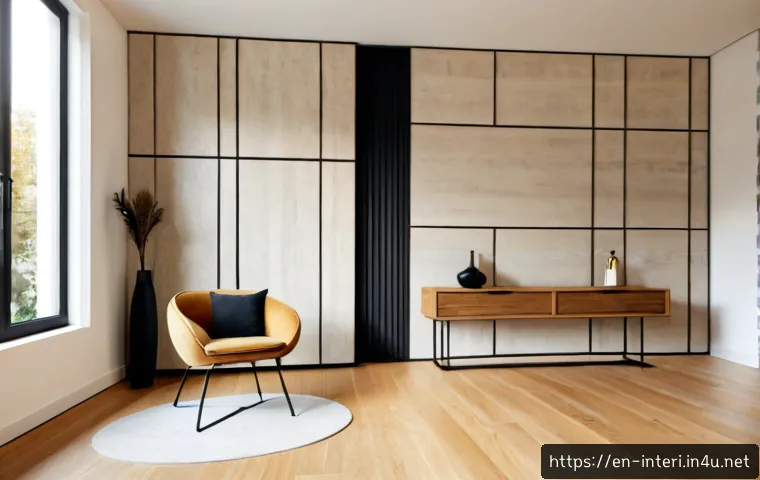
Choose interior materials by matching their durability, maintenance needs, safety requirements, appearance, and installed cost to the room’s use. Compare flooring, wall, ceiling, and finish options before requesting quotes.
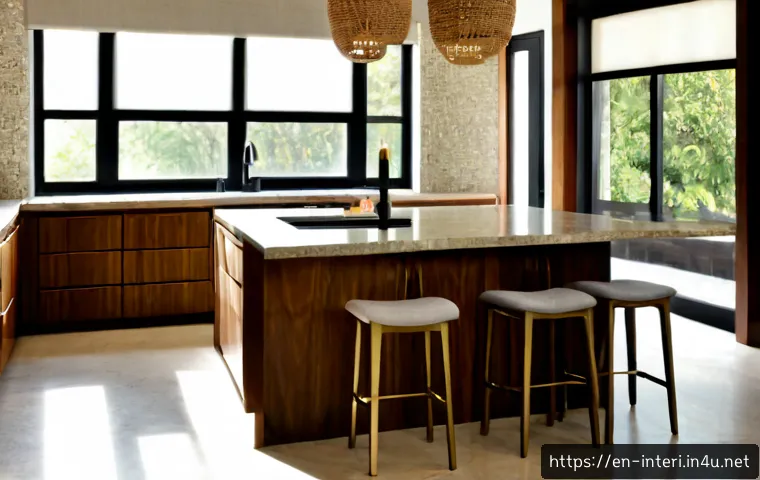
The best interior material is the one that meets the room’s performance needs while staying within the realistic installed budget. Start with traffic, moisture, cleaning demands, safety, and expected service life before choosing a color or texture. Material-only pricing can be misleading because installation, surface preparation, trims, delivery, waste, and future upkeep can change the total project cost. This matters for both home renovations and commercial interiors, where a finish that looks suitable may not handle daily wear. Comparing material suppliers and contractor quotes is more useful when every bidder works from the same written specification. Samples and product documentation should be reviewed before final approval, especially for natural materials and performance-sensitive spaces.
At a Glance
- Choose by room conditions: traffic, moisture, cleaning routines, acoustics, and intended service life should lead the decision.
- Compare installed value, not only product cost: preparation, labor, trims, waste, maintenance, and replacement can affect the final budget.
- Specify before shopping: use samples, documentation, and a clear finish schedule to compare supplier and contractor quotes fairly.
| Material Category | Key Performance Question | Maintenance Consideration | Moisture Tolerance | Installed-Cost Consideration |
|---|---|---|---|---|
| Flooring | Will it handle traffic, rolling loads, and daily cleaning? | Cleaning method and wear at entrances | Varies widely by product and assembly | Subfloor preparation, transitions, trims, and removal work |
| Wall Finishes | Does the surface need impact resistance, washability, or acoustical control? | Touch-up, stain removal, and repair visibility | Wet-area suitability must be confirmed | Wall condition, backing, corner details, and installation labor |
| Countertops and Cabinetry | Can it handle heat, moisture, spills, and frequent contact? | Cleaning products, sealing, and edge durability | Depends on material, joints, and installation details | Fabrication, cutouts, edge profiles, and fitting work |
| Ceiling Materials | Is acoustics, access, durability, or appearance the priority? | Dust, staining, and access for future maintenance | Conditions above and below the ceiling matter | Framing, access requirements, and coordination with services |
The Fastest Way to Match Materials to a Space
Start with function: traffic, water, heat, cleaning, and acoustics
Begin with what the room asks a finish to do. An entryway, office corridor, retail floor, or hospitality reception area may receive much more wear than a quiet bedroom or low-traffic living room. Bathrooms and other wet areas need finishes and assemblies suited to moisture exposure, not simply materials that look water-resistant in a sample.
Also consider the cleaning routine. A surface that requires careful products or frequent specialized maintenance may be a poor fit for a busy restaurant, rental property, or family kitchen. Where noise control matters, such as offices, bedrooms, meeting rooms, or hospitality spaces, include acoustic performance in the material brief rather than treating it as an afterthought.
Balance visual intent with service life and maintenance capacity
Appearance matters, but it should work alongside practical ownership. A light-colored finish may support a bright design direction, while also making marks, dirt, or repair areas more visible. A textured wall surface can add depth, yet may be harder to clean than a smoother finish. The right choice is not always the most durable option; it is the option whose expected wear and maintenance needs match the space.
For natural wood, stone, and similar products, expect variation in color, grain, veining, and texture. A sample helps communicate the overall direction, but it cannot represent every installed piece. Discuss acceptable variation before ordering.
Use samples, mockups, and product documentation before final approval
Review samples in the actual room whenever possible. Light direction, adjacent finishes, and daily use can change how a material appears. For commercial finishes, a small mockup can help evaluate joints, edge conditions, cleaning response, and how materials meet at transitions.
Product documentation is equally important. Check manufacturer information for intended use, maintenance guidance, installation requirements, and relevant performance information. Where accessibility, fire performance, slip resistance, indoor air quality, or local code requirements apply, confirm them with the appropriate project professional or local authority.
Compare Material Options by Performance and Total Project Cost
Flooring: wood, tile, vinyl, carpet, concrete, and resilient surfaces
Flooring decisions should start with the room’s traffic pattern and exposure to water. Wood can bring warmth and visual character, while tile may suit areas where moisture resistance and cleaning are central concerns. Vinyl, carpet, concrete, and other resilient surfaces can serve different needs related to comfort, acoustics, durability, and maintenance.
A finish that works in a low-traffic residence may wear quickly in a retail store, office corridor, or busy entry. Ask material suppliers and commercial flooring installers how the proposed product is intended to be used, what surface preparation it needs, and what maintenance routine supports its expected service life.
Walls and partitions: paint, wallcovering, wood panels, stone, tile, and acoustic finishes
Paint can be flexible for color changes and repairs, while wallcovering, wood panels, stone, tile, and acoustic finishes can create stronger texture or performance benefits. The choice should reflect the wall’s condition, the chance of impact or staining, and whether the surface needs to be cleaned frequently.
In washrooms, kitchens, and other damp zones, specify the full wall assembly, including the relevant backing, joints, and installation method. Do not assume that a visually suitable face finish alone resolves moisture exposure. For offices and hospitality interiors, acoustic wall finishes may be worth considering where speech privacy or sound control affects the experience of the space.
Countertops, cabinetry, and high-touch surfaces
Countertops, cabinet fronts, door hardware zones, and reception surfaces receive repeated contact. Prioritize resistance to the likely combination of spills, heat, abrasion, moisture, and cleaning. Edge details and joints deserve attention because they can influence both appearance and long-term maintenance.
For cabinetry and composite products, low-emitting adhesives, coatings, and panels can be relevant when indoor air quality is a priority. Review manufacturer documentation instead of relying on broad marketing terms. Fabrication, cutouts, delivery access, and on-site fitting should be included when comparing a material quote.
Material price versus installed cost, upkeep, and replacement cycle
The purchase price is only one part of renovation budgeting. Installed cost can include demolition, substrate preparation, labor, delivery, trims, adhesive, waste allowance, protection, and repair of adjacent surfaces. A lower-priced product may not remain the lower-cost choice if it needs more preparation or is difficult to replace later.
Compare materials using a simple total-cost view: initial supply cost, installation scope, routine maintenance, likely repair needs, and the disruption involved if the finish must be replaced. This approach is useful when comparing contractor quotes and when deciding whether a commercial-grade finish provides better long-term value for the intended use.
Build a Practical Material Selection Process
Define the room brief and non-negotiable performance requirements
Create a short brief for each room before contacting suppliers. Include the room use, traffic level, moisture exposure, cleaning method, acoustic needs, desired appearance, and expected service life. Mark non-negotiables clearly, such as a wet-area requirement, a low-emission priority, a need for easier cleaning, or a finish that must coordinate with existing elements.
This makes material specification more focused. It also helps avoid spending time comparing attractive options that cannot meet the room’s essential performance requirements.
Create a finish schedule with quantities, lead times, and alternates
A practical finish schedule lists each material, intended location, approximate quantity, finish or color reference, installation notes, and an alternate option. Add known lead-time considerations and note which details still need confirmation. This document gives material suppliers, designers, and contractors a shared basis for discussion.
Alternates are useful when availability changes or when a selected product does not fit the installed budget. An alternate should meet the same core requirements, not merely resemble the original choice.
Compare like-for-like supplier and contractor quotes
Request quotes using the same written material specification. Ask whether the quote includes preparation, delivery, waste allowance, trims, adhesives, protection, installation, and cleanup. If one quote appears lower, check whether its scope is narrower rather than assuming it offers the same finished result.
For larger renovations or commercial interiors, an itemized contractor quote can make differences in scope easier to identify. It also provides a clearer starting point if a material substitution is proposed.
Avoid Specification Mistakes That Raise Renovation Costs
Selecting on appearance before checking moisture, wear, and substrate conditions
A finish should not be approved solely because it suits the design concept. Existing substrate conditions, concealed moisture, uneven surfaces, and preparation needs can affect whether a product is appropriate and how much installation will cost. These conditions may not be visible until the project is assessed.
Check the existing surface before finalizing the material. If the condition is uncertain, professional contractor input can be worthwhile before placing an order or committing to a finish that depends on precise installation conditions.

Ignoring transitions, edge details, trims, and maintenance products
Transitions between flooring types, wall corners, countertop edges, trims, and termination details affect both durability and visual quality. They can also add labor and material requirements that do not appear in a product-only estimate. Include them in the finish schedule early.
Ask how the material should be cleaned and which maintenance products are appropriate. A finish that needs a routine the owner cannot realistically follow may create avoidable wear or a disappointing appearance over time.
Overlooking samples, batch variation, delivery damage, and waste allowance
Natural materials and some manufactured finishes can vary between batches. Confirm the acceptable visual range, inspect deliveries where practical, and keep approved samples as a reference. Allow for cutting, fitting, breakage, and reasonable installation waste within the project plan.
Delivery access also matters. Large panels, fragile finishes, or bulky flooring materials may need special handling. Clarify responsibility for checking delivered goods and reporting visible damage before installation begins.
Apply Materials Differently in Residential and Commercial Interiors
Kitchens, bathrooms, entryways, bedrooms, and living areas
Residential rooms have different demands. Kitchens and bathrooms require close attention to moisture, spills, cleaning, and high-touch surfaces. Entryways benefit from finishes that can handle concentrated wear and dirt brought in from outside. Bedrooms may place greater value on comfort and acoustics, while living areas often balance visual impact with everyday maintenance.
Use the room brief to set priorities. A single material strategy across the entire home may look consistent, but it may not provide the best performance in every location.
Offices, retail stores, restaurants, and hospitality spaces
Commercial interiors often experience more intensive traffic, more frequent cleaning, and a broader range of users than homes. Offices may prioritize acoustics and indoor air quality. Retail spaces may need durable flooring and wall finishes that tolerate repeated contact. Restaurants and hospitality areas may require materials that support cleaning routines while maintaining the intended guest experience.
Commercial projects may also need to address accessibility, fire performance, slip resistance, and local building-code requirements. Product suitability should be verified for the specific location and project conditions rather than assumed from general descriptions.
When sustainability, acoustics, or low-emission finishes should lead the decision
Make sustainability, acoustics, or low-emission performance a primary selection criterion when it directly supports the project’s goals. This may affect which adhesives, coatings, composite products, flooring systems, or acoustic finishes are considered. Ask for product documentation that relates to the requirement you are evaluating.
Do not treat broad environmental claims as interchangeable. Availability, installation methods, maintenance, and applicable local requirements can all influence whether a material is suitable for a particular renovation.
Selection Criteria and Comparison Summary
Before approving an interior material, check these points: room use and traffic, moisture and cleaning exposure, substrate and installation requirements, appearance and acceptable variation, maintenance capacity, and total installed cost. For commercial spaces, add applicable accessibility, fire, slip-resistance, indoor air quality, and local code considerations.
Request itemized quotes using the same material specification for a fair comparison. Review the supplier’s product documentation and the contractor’s included scope before deciding. If conditions are complex, a designer, specifier, or contractor consultation can help identify issues before materials are ordered.
Closing Thoughts
Interior materials work best when they are selected as part of a complete room strategy rather than as isolated decorative purchases. The most convincing sample is not always the most practical finish after traffic, water, cleaning, installation, and maintenance are considered. A clear specification makes supplier comparisons more useful and helps contractors price the same scope. Taking time to define performance requirements early can reduce expensive changes later in the renovation.
Useful Things to Know
1. Keep approved samples and finish references available during purchasing and installation.
2. Treat transitions, trims, joints, and edges as part of the material decision.
3. Ask whether surface preparation and maintenance products are included in a contractor quote.
4. Use an alternate material only when it meets the original room-performance requirements.
5. Check manufacturer documentation before relying on claims about intended use or performance.
Important Considerations
Actual installed costs, labor rates, product availability, and lead times vary by supplier, location, and project timing. Existing substrate conditions and concealed moisture issues may not be known until the space is inspected. Compliance with local building codes, accessibility requirements, fire-performance rules, and environmental requirements must be confirmed for the specific project. A material should not be treated as suitable without reviewing the room, use pattern, maintenance capacity, installation conditions, and manufacturer documentation.
Frequently Asked Questions
Q1. Which interior material is best for high-traffic areas?
A1. The best option depends on the type of traffic, cleaning routine, moisture exposure, and expected service life. A material that performs well in a quiet residential room may wear quickly in an entryway, retail space, office corridor, or hospitality area. Review the product’s intended use and installation requirements before choosing.
Q2. How should I compare material quotes for an interior renovation?
A2. Compare itemized quotes based on the same written specification. Check whether each quote includes preparation, labor, delivery, trims, adhesives, waste allowance, protection, and cleanup. Comparing material-only prices can hide major differences in the installed scope.
Q3. Are sustainable interior materials always more expensive?
A3. Not necessarily, but cost cannot be assumed without reviewing the specific product, installation method, availability, and maintenance needs. If sustainability or low-emission performance is important, compare documentation and total installed scope rather than relying on a general label.
Q4. When should I hire an interior designer or contractor to choose materials?
A4. Professional input is especially useful when the project involves wet areas, uncertain substrate conditions, commercial requirements, complex transitions, accessibility or fire-performance concerns, or multiple finishes that must work together. It can also help when you need a coordinated specification for fair contractor and material supplier comparisons.