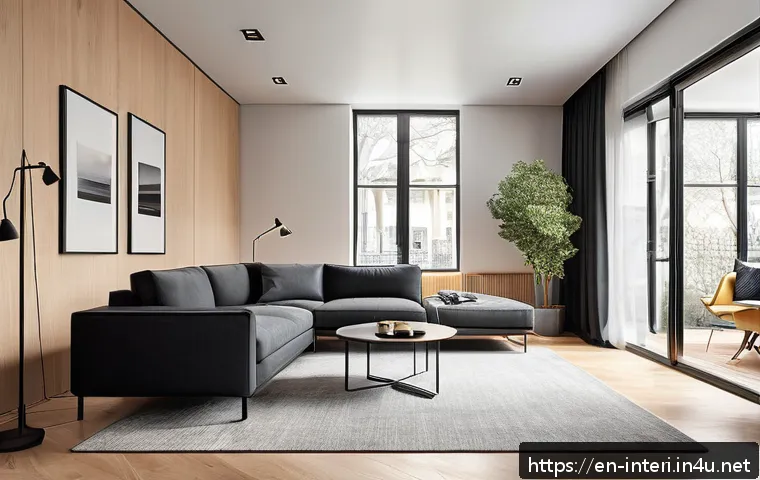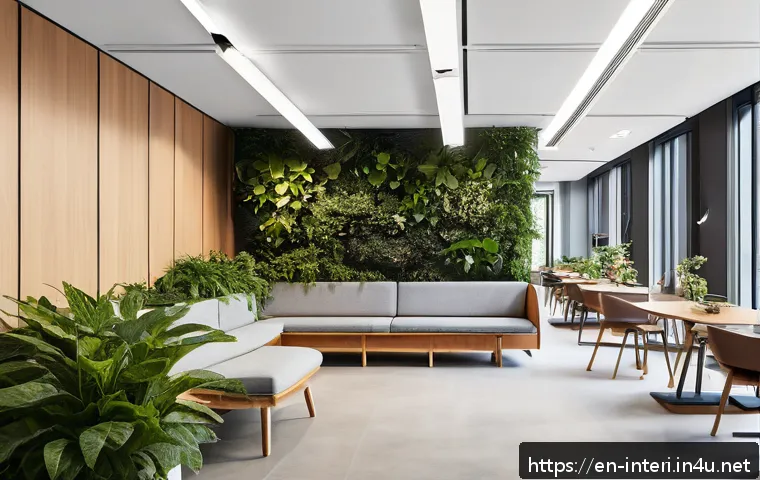
Earning a certification in interior architecture opens up a world of exciting career possibilities. From designing innovative commercial spaces to creating cozy residential interiors, the skills you gain are highly sought after in today’s market.
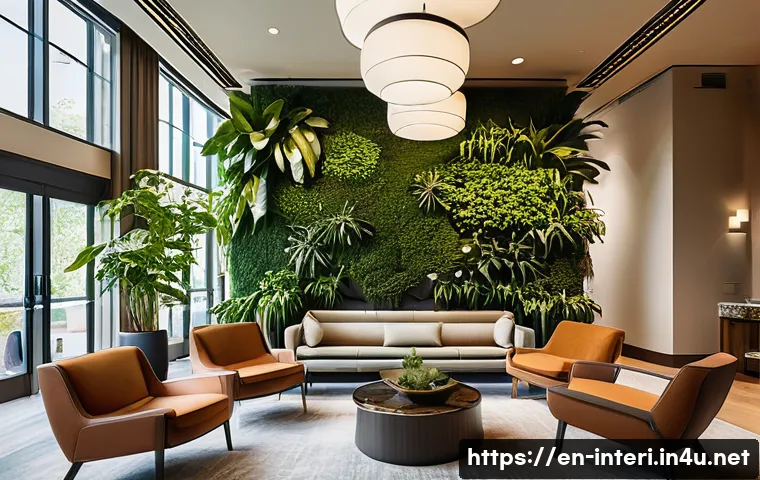
Whether you aim to work for a top design firm or launch your own business, understanding the career paths available is crucial. With the industry evolving rapidly, staying informed about trends and opportunities can make all the difference.
Let’s dive deep into the various directions you can take after getting your certification and explore what each path truly offers. Get ready to discover the best route tailored just for you!
Exploring Career Opportunities in Interior Architecture
Working with Design Firms and Agencies
Joining a design firm right after earning your interior architecture certification is a popular path, especially for those craving hands-on experience in a fast-paced environment.
Design agencies often expose you to a wide array of projects—everything from office layouts to retail spaces. What I found personally rewarding was the collaborative vibe; working alongside architects, graphic designers, and project managers helped me grow my skill set and understand client needs more deeply.
Plus, the mentorship opportunities available in such firms can be invaluable. Keep in mind, though, that deadlines can be tight, and you’ll need to juggle creativity with practicality constantly.
Launching Your Own Interior Architecture Business
If independence and creative control excite you, starting your own business might be the way to go. It’s thrilling to take your vision from concept to reality without layers of approval slowing you down.
However, the entrepreneurial route demands more than design skills—you’ll have to wear multiple hats, from marketing yourself to managing finances and client relations.
Personally, I found building a strong network and a robust online portfolio crucial in attracting clients. Although it takes time to establish a steady income, the freedom to choose projects that truly inspire you makes the journey worthwhile.
Specializing in Sustainable and Green Design
Sustainability is more than just a buzzword in today’s interior architecture landscape; it’s a growing necessity. If you’re passionate about environmental impact, specializing in green design can set you apart.
This field involves integrating eco-friendly materials, optimizing energy use, and creating healthier indoor environments. I remember collaborating on a project where we revamped an office space using recycled materials and energy-efficient lighting, which not only looked stunning but also reduced the client’s carbon footprint significantly.
Staying updated on certifications like LEED or WELL can boost your credibility in this niche.
Key Industries Hiring Interior Architecture Professionals
Commercial Real Estate Development
Commercial real estate developers often require interior architects to design spaces that attract tenants and customers. From malls and office towers to hotels, these projects demand an understanding of both aesthetics and functionality.
I noticed that successful designers in this sector balance creativity with strategic planning, ensuring spaces are flexible and future-proof. It’s a dynamic area where your work directly influences user experience and business outcomes.
Hospitality and Leisure Industry
The hospitality sector is a playground for interior architects who enjoy crafting immersive environments. Designing hotels, resorts, restaurants, or casinos requires a flair for blending comfort with style, often reflecting local culture or brand identity.
I had the chance to work on a boutique hotel project where every detail, from lighting to furniture selection, was aimed at enhancing guest satisfaction.
The challenge lies in creating spaces that are both beautiful and durable under heavy use.
Healthcare Facilities Design
Healthcare design is a specialized field focusing on patient comfort, safety, and operational efficiency. Interior architects here collaborate closely with medical professionals to create calming, accessible environments.
I found this path deeply fulfilling, knowing that thoughtful design can positively impact recovery and wellbeing. Regulations and standards are strict, so attention to detail and continuous learning are essential.
Developing Essential Skills Beyond Certification
Mastering Software and Technology Tools
While certification provides foundational knowledge, proficiency in software like AutoCAD, Revit, SketchUp, and Adobe Creative Suite elevates your design capabilities.
I remember spending extra hours honing these skills, which paid off by enabling me to produce more precise and impressive presentations. Virtual reality and 3D modeling tools are also becoming mainstream, helping clients visualize projects better and speeding up decision-making.
Strengthening Client Communication and Presentation Skills
Design excellence alone won’t get you far without the ability to communicate ideas effectively. I learned that tailoring your presentation style to different audiences—whether clients, contractors, or stakeholders—makes a huge difference.
Storytelling, clear visuals, and active listening are key. These soft skills often differentiate a good interior architect from a great one, especially when negotiating budgets or explaining design choices.
Networking and Building Industry Relationships
Networking might sound cliché, but it’s truly the lifeblood of a thriving interior architecture career. Attending industry events, joining professional organizations, and engaging on platforms like LinkedIn helped me discover new opportunities and stay informed about trends.
Relationships with suppliers, contractors, and clients often lead to referrals and repeat business, which are invaluable for career growth.
Understanding Salary Expectations and Growth Potential
Entry-Level Positions and Salary Ranges
Starting salaries for certified interior architects vary depending on location, industry, and firm size. In metropolitan areas, entry-level roles might start around $50,000 to $65,000 annually, with the potential to increase quickly as you gain experience.
My own experience confirmed that negotiating your salary based on skill proficiency and project contributions can accelerate growth.
Mid-Career Advancement and Specializations
As you develop expertise, especially in niche areas like sustainable design or healthcare interiors, your earning potential rises. Mid-career professionals often see salaries in the range of $70,000 to $100,000, sometimes more if they take on project management or leadership roles.
Continuous education and certifications add credibility and open doors to higher-paying positions.
Senior Roles and Entrepreneurial Income Potential
Senior interior architects and principals of design firms can command salaries well above six figures, particularly when managing large-scale projects or multiple clients.
Running your own business introduces variable income but also uncapped earning potential, depending on project volume and reputation. I found that success here hinges on combining design excellence with savvy business strategies.
| Career Path | Typical Salary Range (USD) | Key Skills | Industry Focus | Growth Potential |
|---|---|---|---|---|
| Design Firm Employee | $50,000 – $80,000 | Collaboration, Software Proficiency, Project Management | Commercial, Residential, Hospitality | Moderate to High |
| Entrepreneur / Business Owner | Variable, often $60,000+ | Business Management, Networking, Client Relations | Varied, depending on niche | High, uncapped |
| Sustainable Design Specialist | $65,000 – $90,000 | Environmental Knowledge, LEED/WELL Certification | Commercial, Healthcare, Residential | High |
| Healthcare Facility Designer | $60,000 – $95,000 | Regulatory Compliance, Empathy, Technical Detailing | Healthcare | High |
| Hospitality Interior Architect | $55,000 – $85,000 | Creativity, Cultural Awareness, Durability Focus | Hotels, Restaurants, Leisure | Moderate to High |
Emerging Trends Shaping Interior Architecture Careers
Integration of Smart Technologies
The rise of smart homes and offices has revolutionized how interior architects approach design. Incorporating IoT devices, automated lighting, and climate control systems creates environments that are not only beautiful but also highly functional.
When I first explored smart tech integration, it was eye-opening to see how much these elements could enhance user comfort and energy efficiency. Staying abreast of these innovations can give you a competitive edge.
Focus on Wellness-Centered Design
Wellness has become a cornerstone in interior architecture, emphasizing natural light, air quality, and biophilic elements. Designing spaces that promote mental and physical health is increasingly demanded by both residential and commercial clients.
From my experience, incorporating plants, ergonomic furniture, and calming color palettes transforms spaces into sanctuaries that users truly appreciate.

Adaptive Reuse and Historic Preservation
Breathing new life into old buildings through adaptive reuse is a fascinating niche that combines creativity with respect for heritage. This approach requires sensitivity to structural limitations and historical context.
I worked on a project converting a century-old warehouse into a co-working space, and it was rewarding to preserve character while meeting modern needs.
This field appeals to those who love storytelling through design.
Professional Development and Certification Upgrades
Pursuing Advanced Certifications
Beyond the initial interior architecture certification, pursuing advanced credentials like NCIDQ or LEED AP can significantly enhance your profile. These certifications demonstrate specialized knowledge and commitment to excellence.
I invested in LEED accreditation, which not only deepened my understanding of sustainable design but also attracted more eco-conscious clients.
Continuous Learning Through Workshops and Conferences
The design world never stands still, so ongoing education is a must. Attending workshops and industry conferences exposes you to new tools, materials, and design philosophies.
Personally, I’ve found these events energizing and a great way to connect with peers. Many employers value candidates who show initiative in staying current with trends.
Mentorship and Teaching Opportunities
Sharing your knowledge through mentorship or teaching can refine your expertise and boost your reputation. I’ve mentored junior designers, and the experience helped me articulate design principles more clearly while fostering a supportive community.
Teaching interior architecture classes or workshops also opens doors to new networks and career avenues.
Balancing Creativity and Practicality in Client Projects
Understanding Client Needs and Budgets
One of the biggest challenges in interior architecture is aligning your creative vision with client expectations and financial constraints. I recall a project where the client’s budget was limited, but by prioritizing key areas and selecting cost-effective materials, we delivered an impressive result.
Listening closely to client priorities and managing expectations upfront helps avoid surprises later.
Managing Project Timelines and Resources
Time management is crucial. Interior architecture projects often involve tight deadlines and coordination with multiple vendors. In my experience, detailed scheduling and clear communication are lifesavers.
Using project management software to track progress and deadlines ensures smoother workflows and client satisfaction.
Delivering Unique Yet Functional Designs
The sweet spot is creating interiors that are not only visually striking but also practical for daily use. I always aim for designs that reflect the client’s personality and lifestyle while ensuring comfort and durability.
This balance often requires creative problem-solving, like integrating hidden storage or flexible furniture to maximize space.
Leveraging Online Presence to Boost Your Interior Architecture Career
Building a Professional Portfolio Website
In today’s digital age, a well-crafted online portfolio is a must-have. Showcasing your best projects with high-quality images and detailed descriptions helps potential clients and employers see your style and capabilities.
I spent considerable time refining my website, and it made a noticeable difference in attracting inquiries. Including client testimonials adds credibility and trust.
Utilizing Social Media Platforms Effectively
Platforms like Instagram, Pinterest, and LinkedIn are powerful tools for sharing your work and engaging with the design community. I found Instagram particularly useful for visual storytelling, posting before-and-after shots, mood boards, and work-in-progress updates.
Consistency and interaction with followers help build a loyal audience and open doors for collaborations.
Engaging with Online Design Communities and Forums
Participating in online forums and groups dedicated to interior architecture can accelerate learning and networking. I often turn to these communities for advice on tricky projects or to share insights.
Being active in these spaces positions you as a knowledgeable professional and can lead to referrals or partnerships.
Conclusion
Exploring career paths in interior architecture reveals a diverse and dynamic field with opportunities for creativity, specialization, and growth. Whether you choose to work in firms, start your own business, or focus on niches like sustainable design, the key is continuous learning and adaptability. Building strong relationships and honing both technical and soft skills will pave the way for a fulfilling and successful career. Embracing emerging trends and leveraging digital platforms can further elevate your professional journey.
Useful Information to Keep in Mind
1. Interior architecture careers span various industries including commercial real estate, hospitality, and healthcare, each with unique demands and rewards.
2. Developing proficiency in design software and effective communication skills is essential to stand out and deliver client satisfaction.
3. Networking and maintaining an active online presence can open doors to new projects and collaborations.
4. Salary ranges vary widely based on experience, specialization, and location, with entrepreneurial ventures offering uncapped potential.
5. Staying updated on certifications and industry trends like smart technology and wellness-centered design enhances your marketability and expertise.
Key Takeaways for Success
Interior architecture demands a balance of creativity and practicality to meet client needs within budget and time constraints. Prioritize continuous skill development and embrace emerging design trends to stay competitive. Building strong professional networks and a compelling online portfolio are crucial for career advancement. Whether working in firms or independently, a proactive approach to learning and client engagement drives long-term success in this evolving field.
Frequently Asked Questions (FAQ) 📖
Q: What career options are available after earning a certification in interior architecture?
A: After earning your certification, you can explore a variety of career paths including working as an interior architect for commercial or residential projects, joining design firms, specializing in sustainable or smart design, or even starting your own interior architecture business.
Some professionals also branch into related fields like set design, furniture design, or urban planning, depending on their interests. The certification equips you with versatile skills that open doors to both creative and technical roles.
Q: How important is staying updated with industry trends after certification?
A: Staying updated with the latest industry trends is absolutely crucial. The field of interior architecture is constantly evolving with new materials, technologies, and design philosophies emerging regularly.
Keeping your knowledge fresh helps you create innovative spaces that meet client expectations and comply with new regulations. Plus, being trend-savvy can set you apart in a competitive market, increasing your chances of landing exciting projects or promotions.
Q: Can certification help me start my own interior architecture business?
A: Yes, certification provides a strong foundation of skills and credibility that can boost your confidence and appeal when starting your own business. It shows clients and partners that you have formal training and expertise.
However, running a successful business also requires learning about marketing, client management, budgeting, and networking. Combining your certification with these entrepreneurial skills can significantly enhance your chances of building a thriving interior architecture practice.