Crafting an impressive interior design portfolio goes beyond showcasing your best projects—it’s about telling a story that reflects your unique style, creativity, and technical skills.
In today’s competitive market, adding the right elements can make your portfolio stand out and attract potential clients or employers. From including detailed project narratives to highlighting your problem-solving process, every addition plays a crucial role in demonstrating your expertise.
Incorporating before-and-after visuals or client testimonials can also enhance credibility and engagement. Ready to elevate your portfolio to the next level?
Let’s dive into the details and explore how to make your work truly shine!
Showcasing Your Design Philosophy Through Storytelling
Crafting a Narrative That Resonates
When you present your projects, it’s essential to go beyond mere visuals. Sharing the story behind each design—what inspired the concept, the challenges you faced, and how you overcame them—adds a deeply personal layer to your portfolio.
This narrative approach invites viewers into your creative process, making your work memorable. For example, describing how a limited space was transformed into a functional yet stylish area reveals your problem-solving ability and design mindset, which clients and employers find invaluable.
It’s not just about what you did, but why and how you did it that truly captures attention.
Connecting Emotionally With Your Audience
People don’t just hire designers; they hire problem solvers who understand their needs and aspirations. Sharing stories about how your designs improved a client’s lifestyle or boosted the ambiance of a commercial space creates an emotional connection.
Including details like the client’s goals or your initial impressions helps humanize your work. When potential clients read these stories, they can envision themselves in that journey, which boosts trust and engagement.
From my own experience, portfolios that weave in personal anecdotes tend to keep viewers browsing longer and spark more inquiries.
Balancing Technical Details With Creativity
While storytelling is vital, sprinkling in technical insights adds credibility and demonstrates your expertise. Talk about the materials you chose and why, the software tools that brought your ideas to life, or how you addressed specific structural constraints.
This balance of creativity and technical know-how reassures prospective clients and employers that you’re not just an artist but a well-rounded professional.
I’ve noticed that mixing technical notes with a compelling narrative increases the perceived value of the portfolio, especially when applying for roles that require precision and innovation.
Visual Impact: Leveraging Before-and-After Comparisons
Demonstrating Transformation Effectively
One of the most powerful ways to showcase your skills is through before-and-after images. These visuals instantly communicate the extent of your impact, highlighting your ability to reimagine spaces.
When selecting images, ensure they are high-quality and taken from similar angles for a fair comparison. This technique helps potential clients grasp the tangible improvements you bring, whether it’s maximizing natural light, optimizing layout, or updating finishes.
I’ve found that these side-by-side shots often become focal points of a portfolio, sparking curiosity and admiration.
Integrating Process Shots for Transparency
Including photos or sketches from different stages of the project—conceptual drawings, 3D renderings, and construction phases—adds depth to your presentation.
This transparency not only showcases your workflow but also highlights your attention to detail and adaptability. For instance, showing how you adjusted designs based on client feedback or site conditions tells a story of collaboration and flexibility.
From my perspective, clients appreciate seeing that you’re hands-on and involved throughout the process, which builds confidence in your professionalism.
Using Visuals to Tell a Cohesive Story
Rather than scattering images randomly, organize your visuals to guide viewers through your design journey. Start with the initial state, move through your creative phases, and finish with the polished result.
This logical flow makes your portfolio feel like a curated experience rather than a simple gallery. Adding captions or brief explanations alongside images helps contextualize each step, making it easier for clients or recruiters to follow your thought process.
When I applied this method, I noticed a significant boost in engagement, as people lingered longer to absorb the full story.
Highlighting Client Testimonials and Feedback
Building Trust Through Authentic Voices
Including testimonials from satisfied clients adds a layer of social proof that can tip the scales in your favor. Genuine feedback speaks volumes about your reliability, communication skills, and the quality of your work.
When requesting testimonials, encourage clients to mention specific aspects they appreciated, such as your creativity, punctuality, or problem-solving approach.
This detailed praise helps future clients envision working with you and reduces hesitation. In my experience, portfolios with well-placed testimonials generate more inquiries and often lead to quicker hiring decisions.
Incorporating Testimonials Seamlessly
Rather than just listing quotes, integrate testimonials naturally within your project descriptions or create a dedicated section with compelling design.
Use client names and titles when possible to enhance authenticity. Visual elements like headshots or logos can also make testimonials more relatable. I like to match the tone of each testimonial with the corresponding project, ensuring a smooth narrative flow.
This approach keeps the portfolio dynamic and prevents testimonials from feeling like an afterthought.
Leveraging Feedback for Continuous Improvement
Beyond showcasing praise, use client feedback to reflect on your growth as a designer. Sharing how you’ve adapted your approach based on constructive criticism or learned from past projects demonstrates humility and professionalism.
This transparency can differentiate you from others who only highlight successes. From personal experience, acknowledging areas for improvement in a positive light has impressed employers and clients alike, showing you’re committed to evolving and delivering the best results.
Organizing Your Portfolio for Maximum Engagement
Creating a User-Friendly Navigation Structure
A cluttered or confusing portfolio can quickly turn off visitors. Structuring your work into clear categories or themes helps users find what interests them without frustration.
Consider dividing projects by style, scale, or type (residential, commercial, hospitality). Clear menus, clickable thumbnails, and concise summaries improve usability, encouraging longer visits.
I’ve learned that intuitive navigation not only enhances user experience but also increases the chances of your portfolio being shared or recommended.
Optimizing for Mobile and Fast Loading
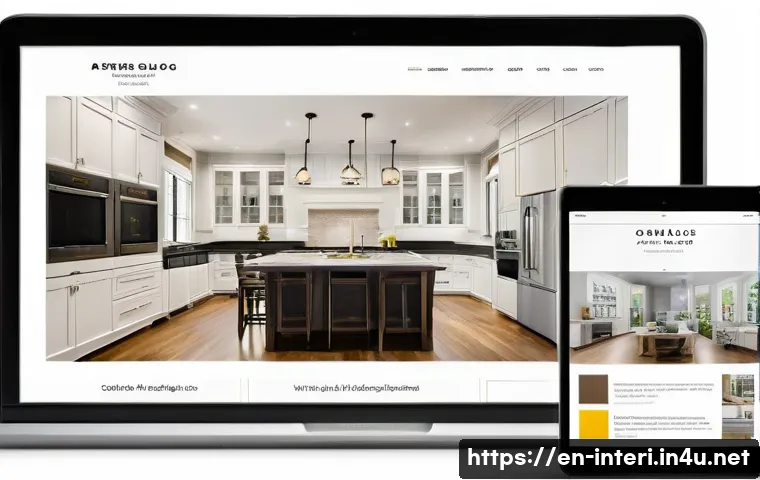
With so many people browsing on phones and tablets, ensuring your portfolio looks great and loads quickly on all devices is crucial. Compress images without sacrificing quality and choose a responsive design template.
A slow or poorly formatted site can lead to lost opportunities, no matter how impressive your work is. Personally, after optimizing my portfolio for mobile, I saw a noticeable rise in both traffic and engagement metrics, which directly translated into more client contacts.
Balancing Visuals and Text for Readability
Striking the right balance between images and text keeps visitors interested without overwhelming them. Use ample white space and break up long paragraphs with bullet points or subheadings.
This approach makes information digestible and keeps attention focused. From my viewpoint, combining brief, impactful descriptions with striking visuals creates a rhythm that invites viewers to explore deeper rather than skim and leave quickly.
Showcasing Technical Proficiency and Tools Used
Detailing Software and Techniques
Highlighting the tools and techniques you use signals your technical competence. Whether it’s AutoCAD, SketchUp, Revit, or Photoshop, naming the software shows you’re up to date with industry standards.
You can also mention any specialized skills like 3D rendering, lighting design, or sustainable material sourcing. I’ve noticed that clients and employers often filter portfolios by such skills, so being explicit can increase your chances of matching their needs.
Explaining Innovative Solutions
If you tackled unique challenges or implemented cutting-edge methods, make sure to explain them clearly. For example, integrating smart home technology or using eco-friendly materials demonstrates forward-thinking and adaptability.
Sharing these insights helps distinguish you from competitors who might only focus on aesthetics. I recall a project where I incorporated energy-efficient lighting systems, and highlighting this not only impressed clients but also opened doors to sustainability-focused opportunities.
Providing Certifications and Training Highlights
Including any relevant certifications, workshops, or courses adds authority to your portfolio. Credentials like LEED accreditation or specialized design certifications reassure clients that you’re professionally qualified.
You can create a dedicated section or weave these details into your project narratives. I’ve found that showcasing continuous learning signals dedication and professionalism, qualities highly valued in this competitive field.
Incorporating Interactive and Multimedia Elements
Enhancing Engagement with Videos and Virtual Tours
Adding multimedia such as walkthrough videos or 360-degree virtual tours brings your designs to life in a way static images can’t. These dynamic elements allow clients to experience the space virtually, which is especially powerful for remote presentations or initial pitches.
When I started including short video tours, I noticed viewers spent significantly more time on my site and expressed a better understanding of my design capabilities.
Utilizing Interactive Floor Plans and Mood Boards
Interactive floor plans let users explore layouts and spatial relationships, offering a hands-on feel for your work. Similarly, mood boards showcasing your inspiration, color palettes, and material selections provide insight into your creative process.
These tools not only engage but also educate clients about design thinking. From my experience, portfolios that invite interaction tend to leave a stronger impression and spark more meaningful conversations.
Balancing Multimedia Without Overloading
While multimedia can be a game-changer, it’s important not to overwhelm visitors. Choose elements that complement your portfolio and ensure they load smoothly.
Too many videos or complex interactive features can slow down your site or distract from your core message. I recommend testing your portfolio across different devices and gathering feedback to find the right multimedia balance that enhances, rather than detracts, from your storytelling.
Key Elements to Elevate Your Interior Design Portfolio
| Element | Purpose | Best Practice |
|---|---|---|
| Project Narratives | Tell the story behind each design | Include challenges, inspirations, and solutions in a conversational tone |
| Before-and-After Visuals | Showcase transformation and design impact | Use high-quality, consistent angle photos for clear comparison |
| Client Testimonials | Build trust and credibility | Incorporate detailed quotes with client names and roles |
| Technical Skills | Demonstrate professional competency | List software and certifications; explain innovative techniques |
| Interactive Elements | Increase engagement and immersion | Use videos, virtual tours, and interactive plans wisely without overloading |
| Portfolio Organization | Enhance user experience and navigation | Group projects by category; ensure mobile optimization and fast loading |
Closing Thoughts
Crafting a compelling interior design portfolio is about more than just showcasing your work—it’s about telling the story behind every project and connecting with your audience on a deeper level. By blending creativity, technical expertise, and authentic client experiences, you make your portfolio stand out and leave a lasting impression. Remember, a well-organized, engaging portfolio opens doors to new opportunities and meaningful collaborations.
Useful Tips to Keep in Mind
1. Always share the story behind your designs to create emotional connections with viewers.
2. Use before-and-after images and process shots to clearly demonstrate your impact and workflow.
3. Balance technical details with creativity to showcase both your skills and design thinking.
4. Optimize your portfolio for mobile devices and fast loading to capture and keep visitors’ attention.
5. Incorporate client testimonials naturally to build trust and credibility with potential clients.
Key Takeaways for a Strong Portfolio
Present your work through engaging narratives that highlight your problem-solving and creative process. Use high-quality visuals strategically arranged to guide viewers smoothly through your projects. Combine technical skills and certifications with authentic client feedback to build authority and trust. Lastly, ensure your portfolio is user-friendly and optimized for all devices, balancing multimedia elements without overwhelming the audience. These practices will help you craft a portfolio that not only impresses but also converts interest into real opportunities.
Frequently Asked Questions (FAQ) 📖
Q: How can I effectively tell a story through my interior design portfolio?
A: To tell a compelling story in your portfolio, focus on more than just visuals. Start each project with a brief narrative explaining the client’s needs, your design inspiration, and the challenges you faced.
Share your thought process and how your creative solutions addressed specific problems. This approach not only highlights your skills but also connects emotionally with viewers, making your work memorable.
Including sketches, mood boards, or concept development images can deepen the story and show your journey from idea to execution.
Q: What types of visuals should I include to make my portfolio stand out?
A: High-quality before-and-after photos are a game-changer because they clearly demonstrate the impact of your work. Alongside those, include detailed shots of unique design features, material selections, and spatial arrangements to showcase your attention to detail.
If possible, incorporate 3D renderings or walkthrough videos to give a dynamic sense of the space. Remember, consistency in photo style and lighting helps maintain a professional look, making your portfolio visually appealing and easy to navigate.
Q: How important are client testimonials in an interior design portfolio, and how should I present them?
A: Client testimonials are incredibly valuable because they build trust and validate your expertise from a third-party perspective. Including a few concise, genuine quotes that highlight your professionalism, creativity, and communication skills can significantly boost your credibility.
Place testimonials strategically near corresponding projects or in a dedicated section to reinforce the positive impact you’ve made. Personalizing them with the client’s name and project type adds authenticity, making potential clients feel more confident in choosing you.