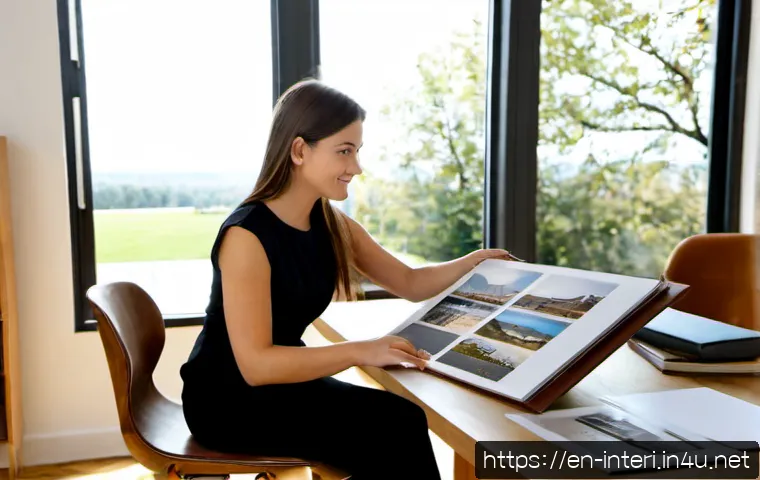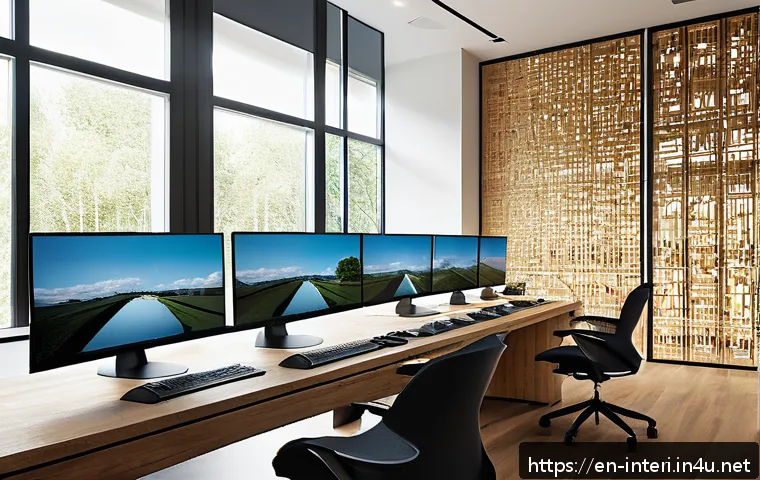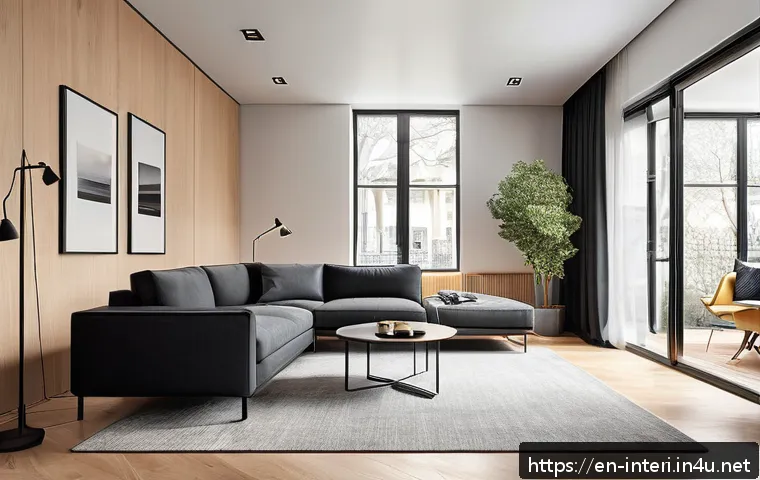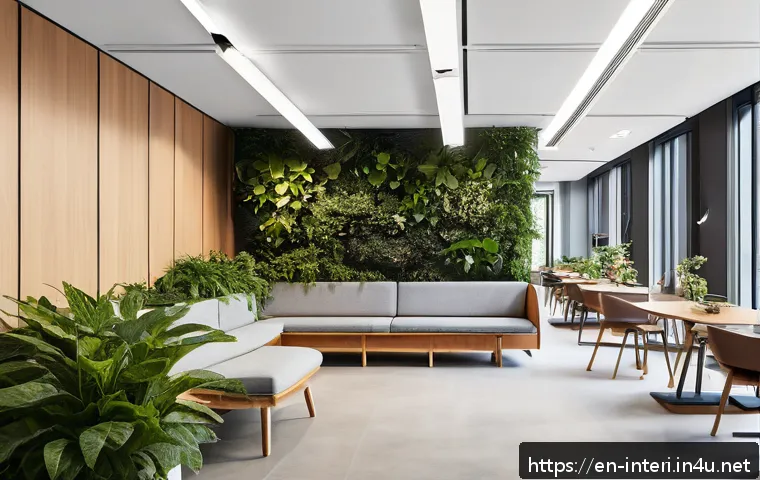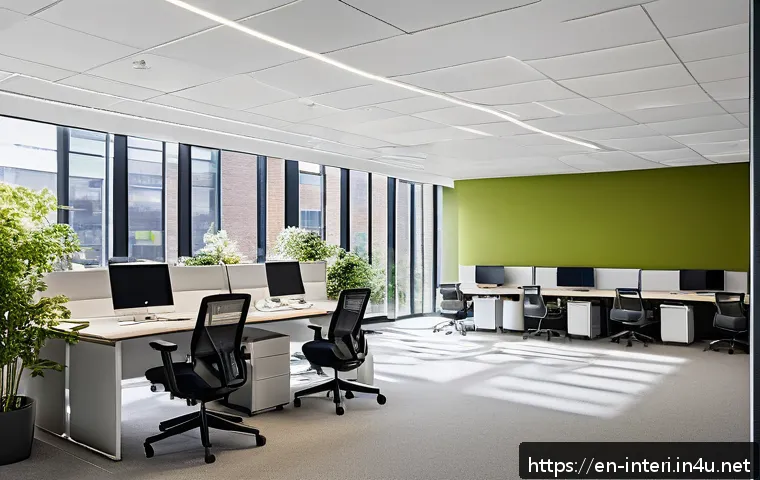
As the world of design continues to evolve rapidly, interior architecture is emerging as a dynamic field full of surprising career opportunities. Whether you’re passionate about blending aesthetics with functionality or intrigued by the technical side of space planning, this industry offers roles you might not have encountered before.
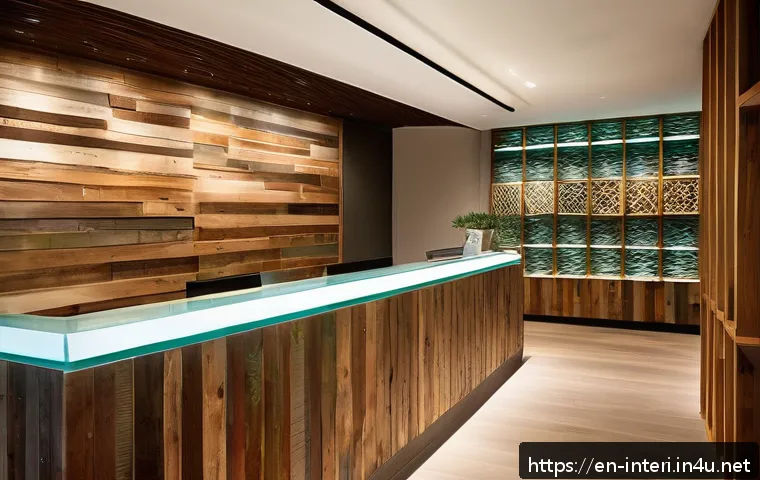
In today’s post, we’ll dive into some lesser-known professions that shape the spaces we live and work in, revealing paths beyond the traditional architect or interior designer.
Stick around if you’re curious about how creativity meets innovation behind the scenes of stunning interiors. This could be the inspiration you need to explore a rewarding new career direction.
Crafting the Flow: The Art and Science of Space Coordination
Understanding Spatial Dynamics Beyond Decoration
When we think about interior architecture, it’s easy to jump straight to aesthetics—colors, materials, and furniture. However, one of the most crucial roles involves mastering how people move through and experience a space.
Space coordinators or planners dive deep into the flow of interiors, ensuring every nook and corner serves a purpose. From office layouts that boost productivity to retail spaces designed to maximize customer engagement, these professionals balance human behavior with design logic.
Personally, I’ve witnessed how a well-thought-out spatial plan can completely transform a mundane area into a vibrant, functional environment, without overwhelming the senses.
Technical Tools That Shape Our Surroundings
This role leans heavily on technology. Using advanced CAD software and 3D modeling, space coordinators simulate how a space will look and feel before a single wall is moved.
I once worked alongside a planner who used virtual reality to walk clients through their future homes, catching design flaws early on and saving a ton of headaches later.
This tech-savvy approach blends creativity with precision, ensuring that the space isn’t just beautiful but also practical and user-friendly.
The Invisible Impact on Everyday Life
What many don’t realize is how much these professionals influence our daily routines. The placement of furniture, lighting, and even doorways affects comfort and efficiency.
For example, a poorly planned kitchen layout can turn meal prep into a chore, while a well-designed workspace can increase focus and reduce fatigue. Their work is subtle but powerful, often going unnoticed because it feels so natural.
Material Whisperers: Innovators in Sustainable Interiors
From Raw Elements to Refined Atmospheres
Interior architecture isn’t just about the shape of a room but also what it’s made of. Material specialists focus on selecting and innovating materials that align with both design goals and environmental responsibility.
I had the chance to explore projects where reclaimed wood, recycled glass, and low-VOC paints were chosen not just for sustainability but also for their unique textures and colors that add character to interiors.
This fusion of eco-consciousness and aesthetics is exciting because it pushes the boundaries of traditional design.
Balancing Durability with Design
One challenge these experts face is finding materials that withstand daily wear and tear while maintaining a stylish appearance. I remember visiting a commercial space where the flooring looked luxurious yet was incredibly durable, perfect for high foot traffic.
That balance is critical in places like hotels, hospitals, or schools, where safety and longevity cannot be compromised. Material experts bring this technical insight, ensuring spaces look great for years without costly maintenance.
Driving Innovation Through Research
Material innovation is a constantly evolving field. These professionals keep their fingers on the pulse of new technologies—from self-cleaning surfaces to smart glass that adjusts tint automatically.
Their research often leads to breakthroughs that redefine what interiors can offer, combining functionality with futuristic appeal. It’s an area where curiosity and a love of science meet artistic sensibility, making every project a chance to experiment and innovate.
Lighting Alchemists: Sculpting Ambiance with Light
The Psychology Behind Light and Mood
Lighting designers aren’t just about brightening rooms; they craft experiences through illumination. I’ve learned that lighting can dramatically alter perception—soft, warm light invites relaxation, while bright, cool tones can enhance alertness.
These experts study human psychology to create atmospheres that support the intended function of each space. For example, in a spa, lighting promotes calm and tranquility, while in a gallery, it highlights artworks without glare or shadows.
Technical Mastery of Fixtures and Controls
This profession involves understanding a wide range of lighting technologies, from LEDs to fiber optics, and integrating them seamlessly into architecture.
Lighting alchemists often work closely with electricians and engineers to program lighting systems that adjust automatically based on time of day or occupancy.
I found it fascinating how they optimize energy efficiency while maintaining design integrity, proving that sustainability and style can go hand in hand.
Creating Drama and Depth Through Shadows
Good lighting design isn’t just about brightness but also about creating layers of light and shadow. This approach adds texture and depth to interiors, making spaces feel more dynamic and alive.
In one project I observed, the interplay of light and shadow transformed a simple lobby into a theatrical stage, welcoming guests with warmth and intrigue.
This subtle artistry requires both technical skill and a keen eye for detail.
Behind the Scenes: The Role of Technical Interior Drafting
Precision Drafting as the Backbone of Execution
While creatives dream up concepts, technical drafters translate those visions into detailed blueprints. Their work ensures that designs are buildable and compliant with codes and regulations.
I’ve spent hours reviewing drafting plans where every millimeter counts—from wall thickness to electrical placements. Without this precision, even the most stunning designs could fall apart during construction.
Bridging Communication Between Teams
Technical drafters act as a vital communication link among architects, engineers, and contractors. I noticed in one complex renovation project how their clear, detailed drawings prevented costly misunderstandings.
They often update plans in real-time to reflect changes, making them indispensable for keeping projects on track and on budget.
Adapting to Emerging Digital Tools
The rise of BIM (Building Information Modeling) has revolutionized drafting. Technical drafters now create 3D digital models that integrate architectural, structural, and MEP (mechanical, electrical, plumbing) systems.
This holistic view improves coordination and reduces errors. From my experience, working with BIM allows for faster problem-solving and more accurate project timelines, benefiting everyone involved.
Environmental Storytellers: Specialists in Sustainable Space Planning
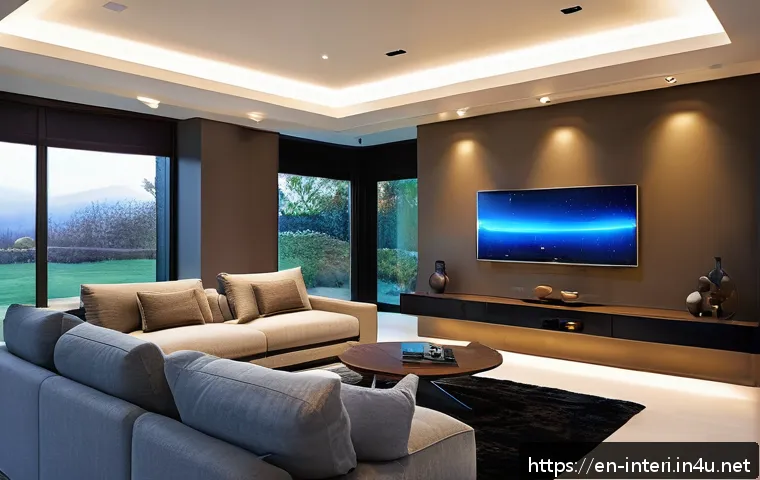
Designing with Nature in Mind
Sustainability experts within interior architecture don’t just pick green materials—they design spaces that reduce environmental impact holistically. They analyze natural light, airflow, and energy use to create healthier, more efficient environments.
In one office project I visited, their input led to significant energy savings by optimizing window placements and ventilation, proving that sustainability can also be cost-effective.
Certifications That Shape Career Paths
Many professionals pursue credentials like LEED or WELL to validate their expertise. These certifications reflect a commitment to health, wellness, and environmental responsibility.
I’ve seen how holding such qualifications opens doors to high-profile projects focused on green building standards, elevating a designer’s reputation and marketability.
Encouraging Client Engagement and Education
Part of their role involves educating clients about sustainable choices. I recall a project where the specialist ran workshops explaining how design decisions affect energy use and indoor air quality.
This engagement fosters a deeper appreciation and willingness to invest in eco-friendly solutions, making sustainability a shared goal.
Mapping the Roles: A Snapshot of Interior Architecture Careers
| Role | Key Responsibilities | Essential Skills | Typical Tools |
|---|---|---|---|
| Space Coordinator | Optimizing spatial flow, user experience, and functional layouts | Spatial awareness, CAD, client communication | AutoCAD, SketchUp, VR software |
| Material Specialist | Selecting and innovating sustainable, durable materials | Material science, research, sustainability knowledge | Material databases, testing labs, design software |
| Lighting Designer | Designing lighting schemes to influence mood and usability | Lighting technology, psychology, programming | Dialux, Relux, BIM lighting modules |
| Technical Drafter | Creating precise construction drawings and 3D models | Drafting, BIM, regulatory knowledge | Revit, AutoCAD, BIM 360 |
| Sustainability Specialist | Integrating eco-friendly design strategies and certifications | Environmental analysis, certification processes, client education | LEED tools, energy modeling software |
Spatial Storytellers: The Art of Narrative Design
Weaving Stories Through Interior Elements
Some interior architects specialize in creating spaces that tell a story or convey a brand’s identity. This narrative design approach uses every element—from textures to lighting—to evoke emotions and communicate messages.
I once visited a boutique hotel where the entire interior was themed around local history, making guests feel immersed in the culture. This storytelling transforms spaces from mere buildings into memorable experiences.
Collaboration with Marketing and Branding Teams
Narrative designers often work closely with marketing professionals to align spatial design with brand values. This collaboration ensures that physical environments reinforce brand identity and customer engagement.
I’ve observed how these partnerships influence retail and hospitality projects, where ambiance directly affects customer perception and loyalty.
Balancing Creativity with Practicality
While narrative design thrives on creativity, it must also consider budget, regulations, and functionality. Successful professionals juggle these demands, delivering compelling yet feasible designs.
From my experience, this balance requires excellent project management skills and a flexible mindset to adapt ideas without compromising vision.
Human-Centered Innovators: Specialists in Ergonomic Design
Prioritizing Comfort and Health in Interiors
Ergonomic designers focus on optimizing spaces to enhance physical well-being. This means selecting furniture, layouts, and tools that reduce strain and promote good posture.
I’ve personally benefited from ergonomic interventions in my workspace, noticing reduced fatigue and improved concentration. These specialists apply scientific research to create environments that support users’ health.
Adapting to Diverse User Needs
Accessibility and inclusivity are key concerns. Ergonomic experts ensure spaces accommodate people of all abilities, considering factors like wheelchair access, adjustable furniture, and sensory-friendly elements.
This commitment not only meets legal standards but also fosters welcoming, equitable environments.
Innovating Through Technology and Feedback
They often utilize motion sensors, pressure mapping, and user feedback to refine designs. I recall a project where iterative adjustments based on employee input led to a significantly improved office layout.
This user-centered process makes spaces truly responsive to human needs rather than one-size-fits-all solutions.
Closing Thoughts
Interior architecture goes far beyond just decorating a space—it shapes how we live, work, and feel. From spatial flow to material choices, lighting, and ergonomics, every detail plays a vital role in creating environments that are both functional and inspiring. Through thoughtful design and innovation, these specialists transform ordinary spaces into meaningful experiences that support wellbeing and sustainability.
Helpful Insights
1. Understanding spatial dynamics is key to enhancing user experience and optimizing how people interact with a space.
2. Integrating advanced technology like CAD and virtual reality streamlines planning and helps avoid costly mistakes during execution.
3. Sustainable material selection not only benefits the environment but also adds unique character and durability to interiors.
4. Lighting design influences mood and functionality, balancing aesthetics with energy efficiency and user comfort.
5. Ergonomic and inclusive design improves health, accessibility, and productivity, making spaces welcoming for everyone.
Key Takeaways
Successful interior architecture requires a holistic approach combining creativity, technical expertise, and user-centered thinking. Specialists must navigate complex challenges—from regulatory compliance to sustainable innovation—while collaborating across disciplines. Prioritizing flow, materials, lighting, and ergonomics ensures spaces are not just visually appealing but also practical, comfortable, and environmentally responsible.
Frequently Asked Questions (FAQ) 📖
Q: What are some emerging career roles in interior architecture beyond traditional architecture and interior design?
A: Interior architecture now includes roles like lighting designer, sustainable materials consultant, and spatial experience designer. These positions focus on specialized aspects such as optimizing natural and artificial light, selecting eco-friendly materials, or crafting immersive environments that enhance user interaction.
Exploring these paths allows you to blend creativity with technical expertise, often leading to innovative projects that push conventional boundaries.
Q: How can someone without a traditional architecture degree enter the field of interior architecture?
A: Many interior architecture roles value skills and experience over formal degrees. You can start by gaining proficiency in design software, learning about building codes, or specializing in areas like CAD drafting or 3D visualization.
Internships, workshops, and certification programs also offer practical knowledge. Networking with professionals and showcasing a strong portfolio of relevant projects often opens doors even if your background isn’t strictly architectural.
Q: What skills are most important for success in lesser-known interior architecture careers?
A: Beyond creativity, skills like technical drawing, an understanding of ergonomics, knowledge of sustainable design, and proficiency with digital modeling tools are crucial.
Soft skills such as communication, problem-solving, and adaptability also play a big role since these roles often require collaboration across disciplines.
From my experience, being curious and willing to continuously learn new technologies or trends can truly set you apart in this evolving industry.