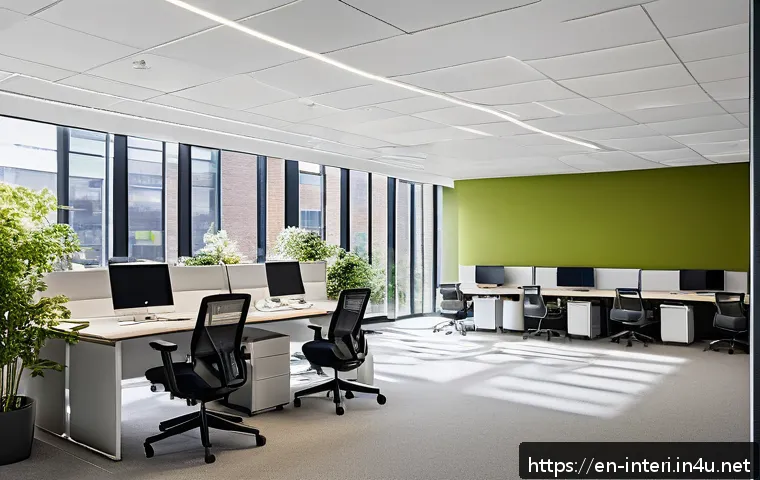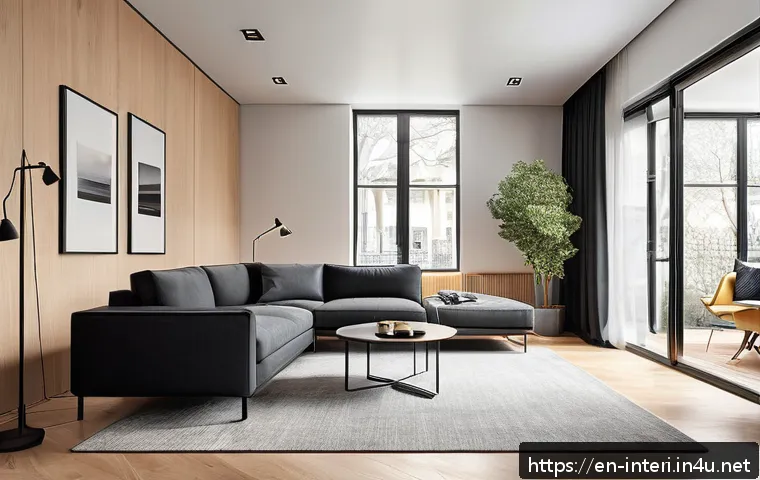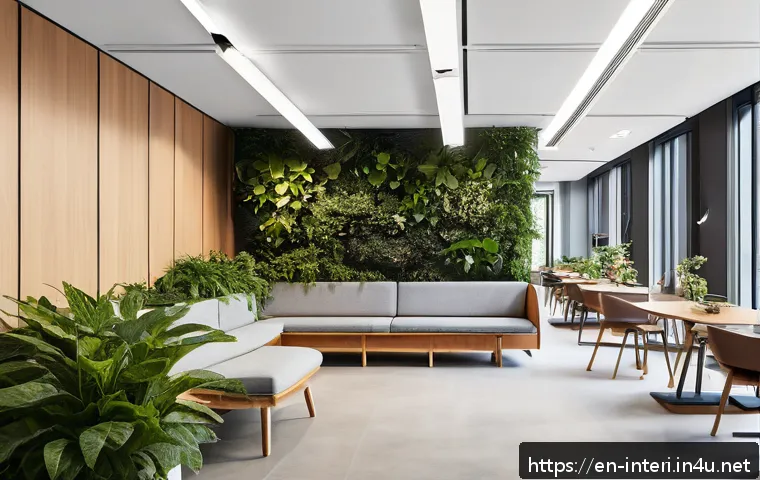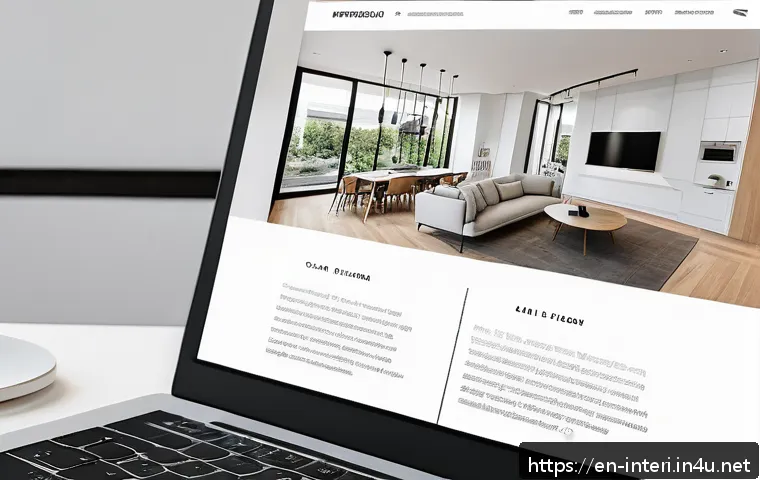
In today’s competitive design world, a standout interior architecture portfolio can be your golden ticket to exciting opportunities. With trends constantly evolving, showcasing both creativity and technical skill is more crucial than ever.
Whether you’re a recent graduate or a seasoned professional, crafting a portfolio that tells your unique story can set you apart from the crowd. I’ve seen firsthand how a well-curated collection can open doors and spark meaningful conversations with clients and employers alike.
Ready to elevate your portfolio game? Let’s dive into practical tips that highlight your talent and expertise with impact.
Crafting a Cohesive Narrative Through Your Projects
Selecting Projects That Reflect Your Style and Strengths
Choosing which projects to include in your portfolio is more than just showcasing your best work—it’s about telling a story that reflects your design philosophy.
I’ve found that including a variety of project types, from residential to commercial, or even conceptual work, can demonstrate versatility. However, it’s crucial to maintain a consistent thread throughout that highlights your unique approach.
For example, if you lean towards minimalism, ensure each project subtly echoes that aesthetic, even if the function or scale varies. This cohesion helps viewers immediately grasp what you bring to the table without confusion.
Organizing Projects to Build Momentum
The order in which you present your projects can significantly affect the viewer’s experience. Starting with a strong, attention-grabbing project can set the tone, while ending with a memorable, innovative piece leaves a lasting impression.
I usually recommend placing projects that showcase a range of skills—like spatial planning, material selection, and lighting design—strategically throughout the portfolio.
This pacing keeps interest high and allows your technical competence to shine alongside creativity. Think of it as a narrative arc, where each project builds upon the last.
Using Captions and Descriptions to Add Depth
Simply showing images isn’t enough; thoughtful captions can transform your portfolio from a visual gallery into an insightful journey. When I review portfolios, the ones that stand out provide context—explaining design challenges, how solutions were developed, and what the outcome was.
This not only demonstrates your problem-solving abilities but also invites the viewer to connect with your process. Be concise but informative. For instance, mentioning how you incorporated sustainable materials or adapted to client feedback can add valuable layers to your story.
Visual Presentation: Beyond Just Pretty Pictures
Balancing Aesthetic Appeal with Clarity
A portfolio should be visually engaging but never at the expense of clarity. I’ve seen portfolios where the stunning visuals overshadow the actual content, leaving reviewers confused about the project’s purpose or scope.
Using clean layouts, consistent typography, and ample white space helps keep the focus on your work. It’s also helpful to use a limited color palette that complements your designs rather than competes with them.
Remember, your portfolio is a tool to communicate your ideas effectively, not just a design showcase.
Leveraging Digital Tools for Interactive Elements
With the rise of digital portfolios, incorporating interactive elements can really set you apart. Embedding 3D walkthroughs, time-lapse videos of model builds, or clickable floor plans can give clients and employers a richer understanding of your work.
I tried this approach recently and noticed a marked increase in engagement during interviews and meetings. However, it’s important to ensure these features are user-friendly and don’t overwhelm the overall presentation.
Balance is key.
Ensuring Mobile and Cross-Platform Compatibility
More than ever, portfolios are viewed on various devices—from desktops to smartphones. I can’t stress enough how frustrating it is to open a portfolio on a phone only to find layouts broken or images too small to appreciate.
Testing your portfolio’s responsiveness across platforms is essential. Optimizing file sizes for faster loading without sacrificing image quality is another factor that contributes to a smooth user experience.
A seamless portfolio experience reflects your attention to detail, which speaks volumes about your professionalism.
Highlighting Technical Skills and Software Proficiency
Showcasing Diverse Software Skills Through Project Examples
Listing software skills is standard, but demonstrating them through your projects is far more impactful. When I include screenshots or process images showing work in programs like AutoCAD, Revit, Rhino, or SketchUp, it gives concrete proof of my technical capabilities.
Additionally, sharing before-and-after images or iterations created in Photoshop or Illustrator can illustrate your design development process. This approach reassures employers that you’re not just familiar with tools but can leverage them to enhance your designs.
Integrating Hand-Drawn Sketches and Physical Models
While digital skills are critical, hand-drawn sketches and physical models add a tangible, human touch to your portfolio. I’ve noticed that portfolios blending these elements feel more authentic and reflective of a designer’s raw creativity.
Including scans of conceptual sketches or photos of models demonstrates your ideation process and ability to think spatially. This balance of digital and analog work highlights a comprehensive skill set that many employers value highly.
Detailing Certifications and Continuous Learning
Highlighting certifications, workshops, or courses you’ve completed shows dedication to professional growth. I often add a brief section summarizing relevant credentials such as LEED accreditation or specialized training in sustainable materials.
This not only boosts your portfolio’s credibility but also signals your commitment to staying current in the field. Remember, interior architecture is ever-evolving, and showing that you’re proactive about learning can make a big difference.
Building an Engaging Portfolio Structure and Flow
Creating a Clear and Intuitive Navigation
Whether digital or printed, the flow of your portfolio should guide the viewer naturally from one section to the next. I’ve found that including a simple table of contents or navigation menu enhances usability, especially for longer portfolios.
Clear section titles and consistent formatting help the viewer anticipate what’s coming next, reducing cognitive load. This thoughtful structure makes it easier for clients or hiring managers to find specific information quickly, which can be a game-changer during busy review sessions.
Balancing Visuals with Written Content
Striking the right balance between images and text is an art form in itself. Too much text can feel overwhelming, while too many images without explanation can leave your portfolio shallow.
I aim to keep paragraphs concise and impactful, supporting visuals without overshadowing them. Bullet points or callouts highlighting key achievements or challenges can break up the content and draw attention to crucial details.

This balance keeps your portfolio dynamic and engaging.
Incorporating Testimonials and Client Feedback
Including quotes or feedback from clients, professors, or collaborators adds an authentic voice to your portfolio. I remember adding a short testimonial from a client who praised my attention to detail and responsiveness, which instantly added credibility.
These endorsements provide social proof that reinforces your skills and work ethic. Just ensure that any testimonials are relevant and concise, seamlessly fitting into the portfolio’s overall flow.
Optimizing for Different Career Goals and Audiences
Tailoring Content for Employers vs. Clients
Your portfolio should reflect who you’re presenting it to. When targeting employers, emphasize technical skills, teamwork, and problem-solving within professional projects.
For potential clients, focus more on aesthetic appeal, customization, and how your designs improve living or working environments. I’ve tailored versions of my portfolio depending on the audience, and it’s surprising how much of a difference this makes in engagement and response rates.
Emphasizing Specializations and Unique Selling Points
If you have a niche, like sustainable design, historic preservation, or hospitality interiors, make sure this shines through. Highlighting your specialization early on helps set expectations and attracts the right opportunities.
I like to include a dedicated section or callout box that succinctly explains my unique expertise, supported by relevant projects. This clarity helps recruiters or clients quickly assess your fit for their needs.
Adjusting Format for Industry Trends and Feedback
The design world is always evolving, and so should your portfolio. I recommend revisiting and revising your portfolio regularly based on feedback and current trends.
For instance, incorporating more 3D visualizations or sustainability metrics might be essential now compared to a few years ago. Staying adaptable ensures your portfolio remains fresh, relevant, and competitive.
Balancing Personal Branding with Professionalism
Developing a Consistent Visual Identity
Your portfolio is an extension of your personal brand. Creating a consistent visual identity—through logo, color schemes, and typography—helps make your portfolio memorable.
I spent time refining my personal logo and choosing a color palette that reflects my design style, which helped create a cohesive and polished presentation.
This consistency also builds trust, showing that you pay attention to detail beyond just your projects.
Incorporating Your Voice and Personality
Don’t be afraid to let your personality come through. I’ve learned that writing in a conversational tone and including a brief “About Me” section with personal design inspirations or anecdotes can make your portfolio more relatable.
This human touch helps build connections, making you more than just a list of skills and projects.
Maintaining Professionalism Without Losing Warmth
It’s a fine line between professional and approachable, but striking this balance is vital. I avoid overly formal language and instead aim for clarity and friendliness.
Clean layouts, high-quality images, and error-free writing convey professionalism, while thoughtful touches like a personal note or thank-you message add warmth.
This combination leaves a positive impression that resonates with viewers.
| Portfolio Element | Best Practice | Why It Matters |
|---|---|---|
| Project Selection | Showcase diverse yet cohesive projects | Demonstrates versatility and personal design narrative |
| Visual Layout | Use clean, consistent typography and balanced white space | Enhances readability and focuses attention on work |
| Technical Skills | Integrate software demos and hand-drawn work | Validates technical proficiency and creativity |
| Interactivity | Include digital walkthroughs and clickable plans | Increases engagement and understanding of spatial concepts |
| Audience Targeting | Customize portfolio versions for clients vs. employers | Improves relevance and response rates |
| Personal Branding | Maintain consistent visual identity and tone | Builds memorability and trust |
In Conclusion
Crafting a well-thought-out portfolio is key to effectively communicating your design vision and skills. By carefully selecting projects, organizing content, and balancing visuals with narrative, you create a compelling story that resonates with your audience. Remember, your portfolio is not just a collection of work but a reflection of your unique professional identity. Taking the time to refine it will open doors and leave a lasting impression.
Useful Tips to Keep in Mind
1. Tailor your portfolio to the specific audience, whether employers or clients, to maximize relevance and impact.
2. Incorporate interactive elements like 3D walkthroughs or clickable plans to engage viewers more deeply.
3. Maintain a consistent visual identity across your portfolio to strengthen personal branding and professionalism.
4. Balance technical demonstrations with hand-drawn sketches or physical models to showcase both precision and creativity.
5. Regularly update your portfolio to reflect current industry trends and feedback, keeping it fresh and competitive.
Key Takeaways
A strong portfolio blends diverse yet cohesive projects with clear navigation and thoughtful descriptions. Visual clarity paired with authentic storytelling enhances engagement, while demonstrating technical expertise and continuous learning builds trust. Personal branding and adapting content for target audiences ensure your work stands out in a crowded field. Ultimately, your portfolio should feel like an inviting conversation that highlights your strengths and passion.
Frequently Asked Questions (FAQ) 📖
Q: How can I make my interior architecture portfolio stand out in a competitive market?
A: To truly make your portfolio shine, focus on a balance between creativity and technical precision. Include a variety of projects that showcase your design range—from conceptual sketches to detailed renderings and final executions.
Personalize your portfolio by telling the story behind each project, explaining your design choices and problem-solving process. High-quality images and clear, concise descriptions are essential.
Also, consider tailoring your portfolio to the type of clients or firms you want to attract, highlighting relevant experience and skills that align with their needs.
From my own experience, adding a section that reflects your design philosophy or inspirations can create a memorable impression.
Q: What are some effective ways to organize an interior architecture portfolio for maximum impact?
A: Organizing your portfolio strategically can make all the difference. Start with your strongest project to grab attention immediately, then arrange subsequent works to build on that momentum—show diversity but maintain a coherent flow.
Group similar projects together or organize them chronologically to demonstrate growth. Don’t forget to include an introduction or summary page that outlines your expertise and goals.
From what I’ve seen, clarity and ease of navigation keep viewers engaged longer, which is crucial for boosting your portfolio’s effectiveness. Adding captions or brief narratives for each project helps guide the viewer through your creative journey.
Q: How important is it to include technical skills and software proficiency in my portfolio?
A: Highlighting technical skills and software proficiency is absolutely vital in today’s design industry. Employers and clients want to know not just that you have creative ideas, but also that you can execute them using industry-standard tools like AutoCAD, Revit, SketchUp, or Adobe Creative Suite.
When I updated my portfolio to showcase specific technical abilities alongside my design projects, I noticed a clear increase in interview invitations and client inquiries.
Including screenshots or process images that demonstrate your workflow adds credibility and shows you’re ready to hit the ground running. Just be sure to keep this section relevant and concise so it complements rather than overwhelms your portfolio.