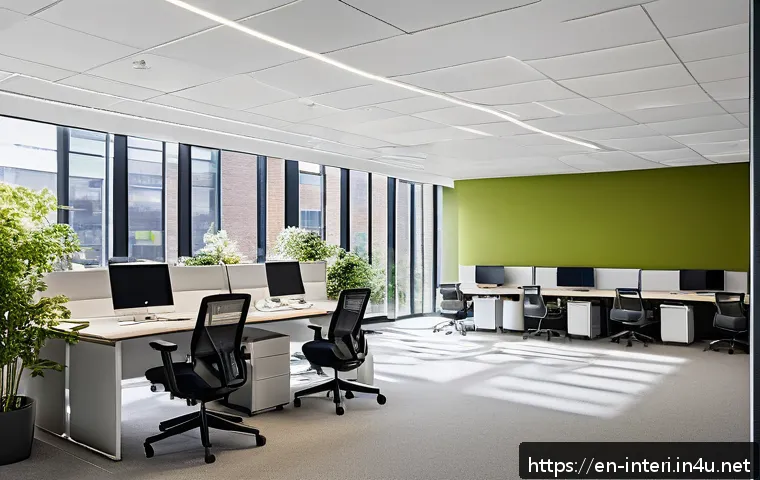
Effective communication on interior construction sites is more than just exchanging information; it’s about fostering collaboration, ensuring safety, and keeping projects on track.
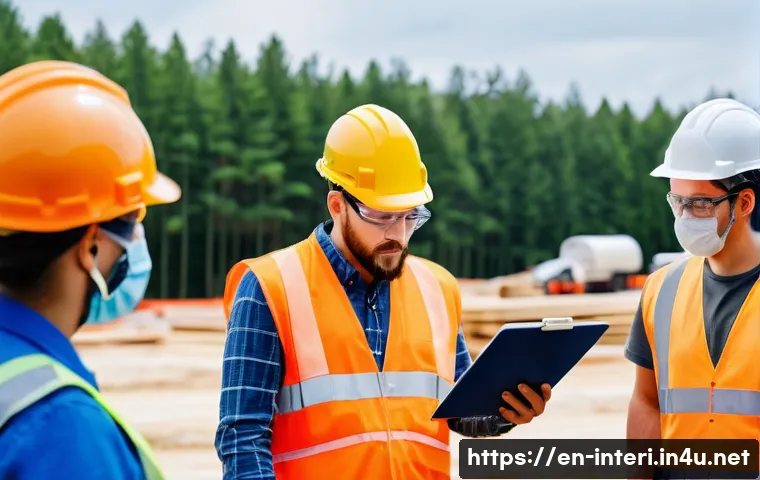
From coordinating between architects, contractors, and clients to managing unexpected changes, clear and timely communication can make all the difference.
In my experience, the best outcomes arise when every team member feels heard and informed. Misunderstandings not only cause delays but can also inflate costs and compromise quality.
With the rise of digital tools and real-time updates, the landscape of site communication is evolving rapidly. Let’s dive deeper and uncover the best strategies to master communication on interior construction sites!
Building Trust Through Transparent Conversations
Encouraging Open Dialogue Among Teams
One of the biggest game changers on interior construction sites is creating an environment where everyone feels comfortable speaking up. When architects, contractors, and subcontractors can openly share their thoughts, concerns, or suggestions without fear of judgment, it leads to better problem-solving and fewer surprises.
I’ve noticed that on projects where leaders actively invite input from all levels, the team naturally gels better and the work flows more smoothly. It’s not just about giving orders but fostering a culture where ideas bounce around freely and questions get answered promptly.
This openness also helps catch potential issues early before they snowball into costly delays.
Being Clear and Specific to Avoid Confusion
It’s easy to overlook how vital clarity is until you’re dealing with misinterpreted plans or ambiguous instructions. From my hands-on experience, vague messages or mixed signals can stall progress or force rework.
Using simple, direct language and confirming understanding helps keep everyone on the same page. For example, instead of saying “install the trim quickly,” specifying “install 2-inch oak baseboard trim in the lobby by Friday” removes guesswork.
Written summaries of meetings or decisions also serve as reference points that reduce “he said, she said” scenarios. The goal is to leave no room for assumptions.
Active Listening: The Underestimated Skill
Listening might sound basic, but active listening—really paying attention and responding thoughtfully—is a rare art on busy sites. I’ve seen firsthand how taking the time to understand a team member’s viewpoint can diffuse tension and build respect.
When a contractor feels heard, they’re more likely to cooperate and share updates honestly. Active listening also means noticing nonverbal cues and asking clarifying questions, which can uncover hidden problems or needs.
It’s a subtle yet powerful way to strengthen communication bonds.
Streamlining Coordination with Digital Solutions
Leveraging Real-Time Messaging Apps
In today’s fast-paced environment, waiting for emails or in-person meetings can slow things down. I’ve found that using instant messaging platforms tailored for construction projects can dramatically improve response times.
These tools enable quick sharing of photos, updates, and approvals right from the site. The immediacy helps tackle issues before they escalate, especially when decisions require input from multiple stakeholders.
However, it’s important to set clear guidelines to avoid message overload and ensure critical info doesn’t get buried.
Integrating Project Management Software
Project management platforms have evolved beyond simple task lists. The ones I’ve worked with offer centralized dashboards where schedules, budgets, and documentation live together.
This transparency means that everyone can track progress and changes in real time. When a delay occurs or a design tweak is requested, the software alerts relevant parties instantly, preventing misalignment.
Over time, this digital backbone becomes the single source of truth, reducing reliance on memory or fragmented communication.
Utilizing Cloud-Based Document Sharing
Gone are the days of printing endless paper plans and hoping the latest version reaches the site. Cloud storage solutions allow teams to access updated blueprints, permits, and specs anytime, anywhere.
In my experience, this accessibility cuts down confusion caused by outdated files and ensures compliance with standards. Plus, version control features prevent accidental overwrites, so everyone works off the correct documents.
This is especially crucial when multiple subcontractors are involved, each needing up-to-date references.
Creating Safety Nets Through Communication
Daily Briefings and Toolbox Talks
Safety on interior construction sites hinges on constant communication. Daily briefings, or toolbox talks, are a practice I’ve seen make a massive difference.
These short, focused meetings at the start of each shift align everyone on hazards, safety protocols, and task priorities. They offer a chance to remind the crew about PPE requirements or highlight recent near-misses.
Regularly reinforcing safety through dialogue not only reduces accidents but also cultivates a shared responsibility mindset.
Clear Reporting Channels for Incidents
Encouraging workers to report hazards or incidents promptly is essential. When team members know exactly whom to contact and how to describe issues without fear of blame, problems get addressed faster.
In one project I was involved with, implementing a simple digital form for incident reporting cut response times in half. This transparency also helps management track patterns and implement preventive measures, ultimately making the site safer for everyone.
Communication Drills and Emergency Preparedness
Beyond daily talks, preparing the team for emergencies through communication drills is a proactive step. Running simulated evacuations or emergency scenarios enhances everyone’s familiarity with protocols and roles.
I’ve witnessed how practice drills reduce panic and confusion during real incidents because team members know what to expect and who leads the response.
Clear, rehearsed communication lines during emergencies save lives and minimize damage.
Adapting Communication Styles to Diverse Teams
Recognizing Cultural and Language Differences
Interior construction sites often bring together diverse crews with varying cultural backgrounds and language skills. From my experience, being sensitive to these differences improves cooperation tremendously.
Simple gestures like using visual aids, avoiding jargon, and speaking slowly can bridge gaps. Providing translated materials or bilingual supervisors also ensures instructions are understood correctly.
When teams feel respected and accommodated, it boosts morale and reduces errors caused by miscommunication.
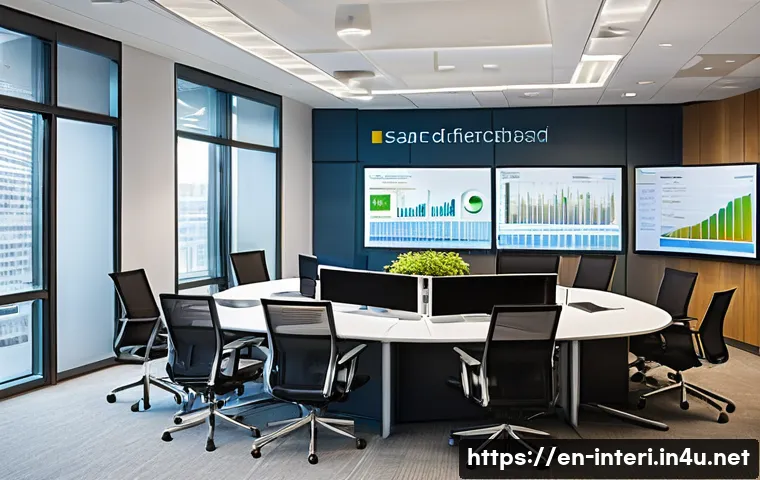
Tailoring Messages for Different Roles
Not everyone on site needs the same level of detail or technical jargon. I’ve learned that customizing communication based on roles enhances efficiency.
For example, subcontractors might need clear, task-specific directives, while clients prefer high-level progress updates. Project managers benefit from comprehensive data to make informed decisions.
By segmenting information appropriately, you prevent overload and make sure each group gets what they truly need to succeed.
Promoting Inclusivity in Discussions
Inclusivity means actively inviting input from all team members, regardless of their position or background. This approach fosters innovation and uncovers insights that might otherwise be missed.
I recall a time when a junior installer suggested a more efficient sequence for cabinet installation, which saved hours of work. Encouraging everyone to speak up can surface valuable ideas and catch potential pitfalls early, making the project stronger overall.
Managing Changes Without Chaos
Establishing Clear Change Request Protocols
Change orders are inevitable, but how they’re handled can make or break a project’s timeline and budget. Having a standardized process for submitting, reviewing, and approving changes keeps communication structured.
I’ve seen projects stall when change requests are made informally or without documentation. A clear protocol ensures all parties understand the implications before work proceeds, reducing misunderstandings and disputes.
Communicating Impact Transparently
When changes occur, it’s crucial to explain how they affect schedule, costs, and quality. Being upfront about potential delays or extra expenses helps manage client expectations and avoids surprises.
In my experience, honest communication builds trust even when the news isn’t great. Providing alternative solutions or compromises during these conversations also demonstrates professionalism and a commitment to project success.
Tracking and Documenting Every Update
Keeping a detailed log of all changes, approvals, and communications is essential for accountability. This record becomes invaluable if disagreements arise or if regulatory audits occur.
Using digital tools to timestamp and archive updates simplifies this task. I always recommend teams maintain this level of documentation to protect themselves and keep everyone aligned.
Enhancing Visual Communication for Better Understanding
Using Photos and Videos to Supplement Instructions
Words can only go so far, especially when describing intricate interior details. Sharing photos or short videos on site can clarify expectations instantly.
I’ve often sent images of previous finishes or sample installations to illustrate exactly what we aimed for, which helped avoid costly rework. Visuals also serve as proof of progress or issues, making remote communication more effective.
Interactive 3D Models and Virtual Walkthroughs
Advanced visualization tools like 3D renderings or VR walkthroughs have transformed how teams and clients communicate. Experiencing the space virtually before construction reduces guesswork and aligns everyone’s vision.
I’ve witnessed projects where virtual walkthroughs helped catch design flaws early, saving time and money. These tools foster collaboration by allowing stakeholders to comment and suggest adjustments dynamically.
Color Coding and Markup on Drawings
Simple techniques like color coding or digital markups on blueprints make complex plans easier to digest. Highlighting areas of concern or new changes grabs attention and directs focus.
I encourage teams to adopt consistent markup symbols and colors to avoid confusion. This approach streamlines discussions and accelerates decision-making.
| Communication Strategy | Benefits | Common Challenges | Best Practices |
|---|---|---|---|
| Open Dialogue | Improves team cohesion, early problem detection | Reluctance to speak up, hierarchy barriers | Encourage inclusivity, foster safe environment |
| Digital Messaging | Faster responses, real-time updates | Information overload, misinterpretation | Set clear guidelines, prioritize messages |
| Daily Safety Talks | Reduces accidents, heightens awareness | Repetitiveness leading to disengagement | Keep talks relevant, interactive |
| Visual Aids | Clarifies complex info, reduces errors | Dependence on tech, access issues | Combine with verbal instructions, ensure accessibility |
| Change Management Protocols | Keeps project on track, prevents disputes | Resistance to formal processes | Educate teams, document thoroughly |
In Conclusion
Effective communication on interior construction sites is the backbone of successful projects. By fostering openness, leveraging digital tools, and prioritizing safety, teams can work more efficiently and harmoniously. Clear, inclusive dialogue not only prevents costly errors but also builds trust among all stakeholders. Embracing these communication strategies paves the way for smoother project delivery and stronger collaboration.
Useful Information to Keep in Mind
1. Open and honest conversations encourage teamwork and early problem detection, which are vital for project success.
2. Utilizing real-time messaging and project management software significantly speeds up decision-making and keeps everyone aligned.
3. Regular safety briefings and clear incident reporting protocols greatly reduce accidents and promote a culture of shared responsibility.
4. Adapting communication styles to respect cultural and language differences improves understanding and morale on diverse teams.
5. Documenting changes thoroughly and using visual aids like photos and 3D models help avoid misunderstandings and costly rework.
Key Takeaways
Prioritize creating a transparent environment where all team members feel valued and heard. Use clear, specific language to minimize confusion and reinforce messages with visual and digital tools. Regular safety communication and well-defined protocols protect the team and the project timeline. Tailor communication to suit different roles and cultural backgrounds to enhance collaboration. Lastly, maintain detailed records of changes and decisions to ensure accountability and smooth project progression.
Frequently Asked Questions (FAQ) 📖
Q: What are the key challenges in communication on interior construction sites, and how can they be overcome?
A: One of the biggest challenges is the sheer number of stakeholders involved—architects, contractors, subcontractors, clients, and suppliers—all needing to stay aligned.
Miscommunication often arises from unclear instructions or last-minute changes. To overcome this, establishing a centralized communication platform where updates are logged in real-time helps immensely.
In my experience, daily briefings on-site combined with instant messaging apps create a rhythm that keeps everyone on the same page and minimizes costly misunderstandings.
Q: How can digital tools improve communication efficiency on interior construction sites?
A: Digital tools like project management software, real-time messaging apps, and cloud-based document sharing have revolutionized how teams communicate. These tools allow instant updates, easy access to plans and change orders, and transparent tracking of progress.
From personal experience, using apps that support photo sharing and live annotations has helped resolve issues faster than traditional methods. The key is to pick tools that everyone on the team can comfortably use and to encourage consistent use, so no critical information falls through the cracks.
Q: What role does communication play in ensuring safety on interior construction sites?
A: Communication is absolutely critical for safety. Construction sites are dynamic environments where hazards can change daily. Clear communication ensures that safety protocols are understood and followed, and that any new risks are immediately flagged.
I’ve seen firsthand how quick, direct communication during toolbox talks or safety briefings can prevent accidents. Moreover, encouraging a culture where workers feel comfortable speaking up about safety concerns creates a safer, more responsive work environment overall.