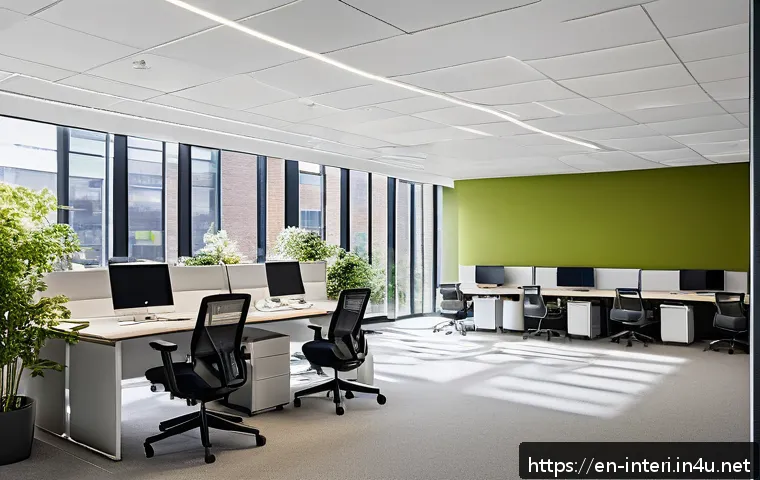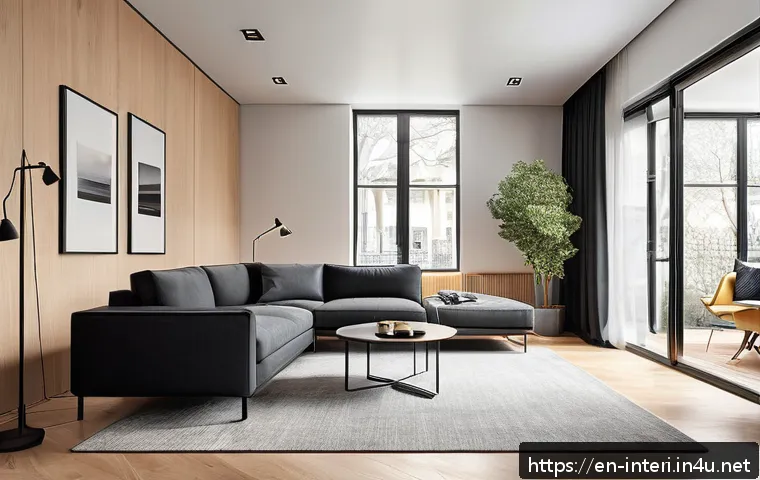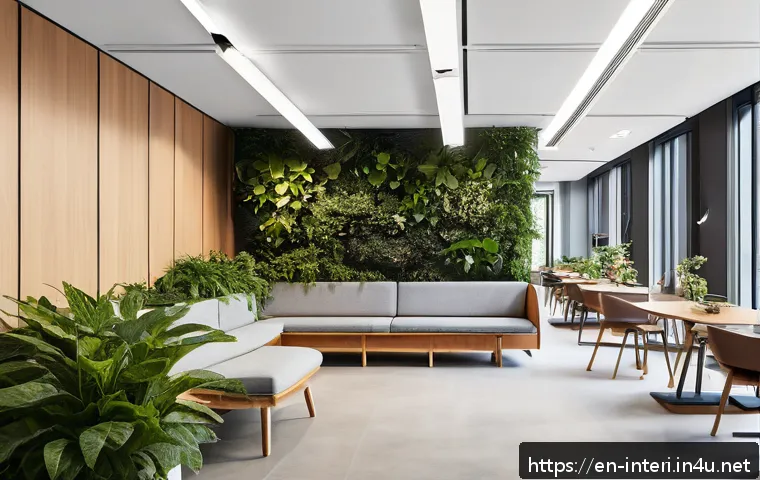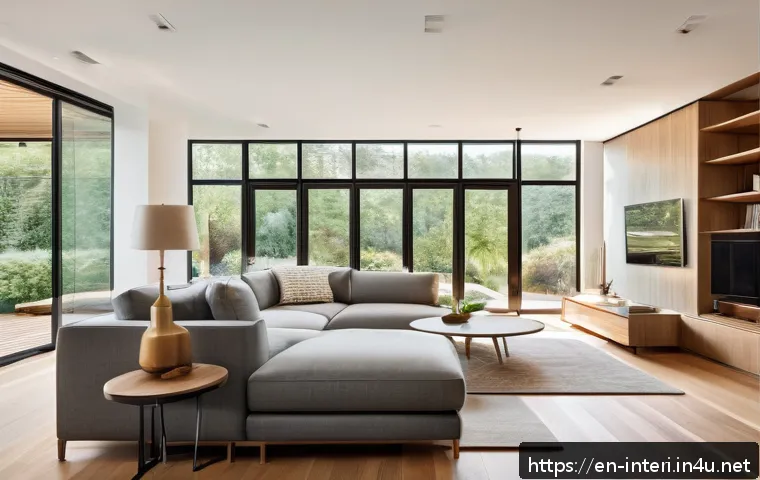
Lately, the world of design has been buzzing with a common question: what truly sets interior architecture apart from home styling? As more people invest in creating spaces that reflect their personality and lifestyle, understanding these differences becomes essential.
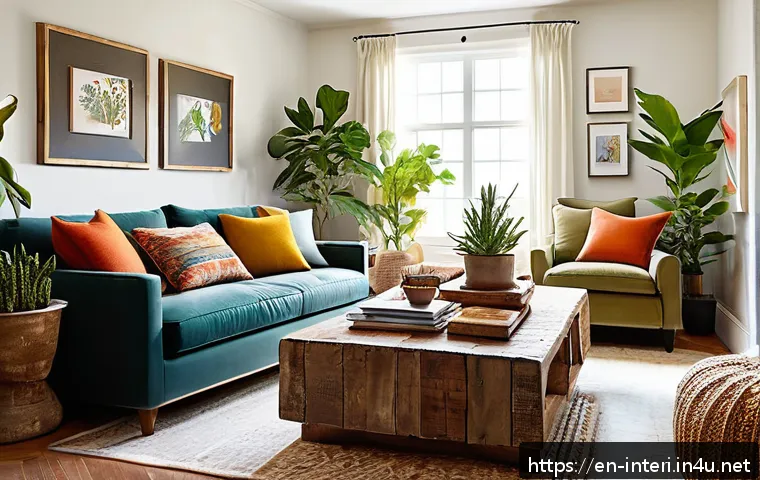
Whether you’re a seasoned design enthusiast or just starting to explore, knowing how these two disciplines interact can transform your approach to decorating.
Today, we’re diving into the nuances that make each unique, helping you make smarter choices for your home. Stick around, because what you learn here might just change the way you see your living space forever.
Understanding the Foundations: Structural vs. Aesthetic Focus
What Lies Beneath the Surface
When you look at a room and feel it’s perfectly balanced, chances are you’re sensing more than just pretty furniture or trendy colors. Interior architecture digs into the very bones of a space — walls, ceilings, windows, and how these elements shape movement and function.
Unlike home styling, which often treats the room as a blank canvas, interior architecture involves rethinking the layout or structural elements to optimize how the space works for you.
For example, knocking down a non-load-bearing wall to open up a kitchen to a living area is a decision rooted in interior architecture, not simply styling.
It’s about blending creativity with engineering to create a foundation that supports lifestyle needs, not just looks.
The Role of Materials and Finishes
Materials are another key battleground where interior architecture and home styling diverge. Interior architects select finishes and surfaces that contribute to durability, acoustics, and even thermal comfort, often coordinating with engineers and builders.
Home styling, meanwhile, leans toward choosing fabrics, paint colors, and accessories that create mood and personality. While you might swap out throw pillows seasonally, interior architects might specify a type of flooring or wall treatment that withstands wear and tear while subtly enhancing the room’s character.
This foundational focus means interior architecture decisions typically have a longer lifespan and impact on the space’s usability.
Balancing Form and Function
At its core, interior architecture strives for a harmony between form and function. It’s not just about what looks good but how well a space supports daily activities, accessibility, and comfort.
For instance, a well-designed built-in bookshelf that also acts as a room divider is a clever architectural solution. On the flip side, home styling zeroes in on the arrangement of furniture and décor to evoke emotion and express style preferences.
Both are important, but understanding where the line is drawn helps avoid costly mistakes and makes your home feel cohesive rather than a mishmash of pretty things.
Personalization Depth: Surface-Level vs. Structural Transformation
Temporary vs. Permanent Changes
One of the biggest giveaways in distinguishing these two fields is how lasting the changes are. Home styling often involves quick and reversible tweaks — a new set of curtains, a fresh coat of paint, or a statement rug.
These elements can be swapped out easily, reflecting changing tastes or seasons. Interior architecture, however, requires a commitment to permanent modifications.
Changing a room’s ceiling height, reconfiguring windows, or installing custom cabinetry are not decisions taken lightly because they involve more time, money, and expertise.
This permanence means interior architecture typically demands professional input and detailed planning.
Customization to Lifestyle Needs
Interior architecture is deeply tied to understanding how people live and tailoring spaces accordingly. For instance, a family with young kids might prioritize safe, open play areas and durable surfaces, while a tech enthusiast might want integrated smart home features hidden within the design.
Home styling can accentuate these choices but doesn’t usually address them at the root level. When I recently worked on redesigning my home office, I realized that the architectural layout—like window placement and lighting—had to come first before I could think about adding stylish décor or ergonomic chairs.
Impact on Property Value
Making architectural changes often increases a home’s market value because they enhance function and quality. Home styling, while it can boost visual appeal, rarely translates into long-term financial gain.
Buyers tend to appreciate well-thought-out layouts and quality finishes more than trendy décor, which can quickly date. So, if you’re investing in your home with resale in mind, interior architecture changes often offer a more substantial return.
Creative Processes: Collaborative Design vs. Individual Expression
Teamwork and Expertise
Interior architecture usually involves collaboration among architects, engineers, contractors, and sometimes landscape designers. It’s a multi-disciplinary effort that requires technical knowledge and adherence to building codes and regulations.
This means timelines and budgets must be managed carefully, and design decisions often go through several rounds of revision and approval. On the other hand, home styling is more of an individual or small team endeavor.
Stylists work with clients to curate décor that reflects personality and current trends, often without the constraints of structural limitations.
Concept Development and Execution
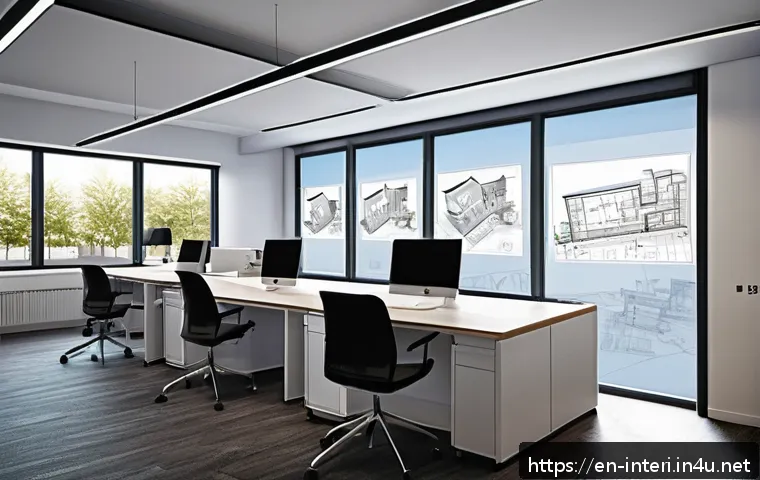
When interior architects begin a project, they start with detailed drawings, 3D models, and material specifications. These tools ensure everyone involved understands how the space will function and look once completed.
Home stylists, however, tend to sketch mood boards, color palettes, and furniture layouts — more about visual inspiration than technical accuracy. From personal experience, this difference is why architectural projects can take months or even years, while styling refreshes might happen over a weekend or two.
Flexibility and Adaptability
Because interior architecture involves permanent changes, flexibility can sometimes be limited. If you want to add an extra window or re-route plumbing, it requires permits and structural assessments.
Home styling offers much more agility — you can swap out pillows, change wall art, or rearrange furniture whenever the mood strikes. This fluidity makes styling a favorite for renters or those who love seasonal updates without the hassle of construction.
The Emotional Connection: Functional Comfort vs. Personal Vibes
How Space Affects Well-Being
Interior architecture directly influences how comfortable and efficient a home feels. Proper lighting, natural airflow, and acoustics are often invisible to the casual observer but make a huge difference in daily life.
When I renovated my living room, addressing these architectural elements transformed the space from merely “nice” to truly livable. Home styling adds the emotional layer, creating warmth, coziness, and personality through textures, colors, and accessories.
Both are needed for a home that feels inviting and nurturing.
Expressing Identity Through Design
Home styling is where you get to let your personality shine. Whether it’s a gallery wall of family photos, a vintage armchair that tells a story, or bold wallpaper that matches your quirky style, styling brings individuality front and center.
Interior architecture tends to be more subtle in this regard, focusing on universal principles of design and function, but it sets the stage for these personal touches to stand out.
Creating a Sense of Place
Both interior architecture and home styling contribute to a space’s unique atmosphere. Architecture anchors the home in its environment, responding to site conditions, climate, and cultural context.
Styling then layers on charm, making the space feel lived-in and loved. I’ve noticed that homes where these two disciplines work in harmony tend to have a timeless quality — they feel both practical and soulful.
Budget Implications: Investment in Infrastructure vs. Decorative Elements
Cost Breakdown and Prioritization
It’s tempting to think decorating is where most of the money goes, but interior architecture often demands a larger slice of the budget. Structural changes, permits, and specialized labor add up quickly.
Home styling, while it can be expensive depending on choices, is generally more affordable and can be scaled to fit various budgets. When planning a home update, I always recommend starting with architectural improvements if the budget allows, as they provide a foundation that styling can then build upon.
Long-Term vs. Short-Term Spending
Interior architectural investments tend to pay off over time, both in durability and increased home value. Decorative purchases, while instantly gratifying, might need replacing or refreshing every few years.
Understanding this helps homeowners avoid overspending on short-lived trends and focus on improvements that truly enhance their living experience.
Hidden Costs to Watch For
One thing I learned the hard way was underestimating the ancillary expenses tied to architectural projects — permits, inspections, and unexpected repairs uncovered during construction can add a significant chunk to the final bill.
Styling projects are more predictable in cost but beware of impulse buys that don’t coordinate well with your overall design, which can lead to wasted money and effort.
Visualizing the Differences at a Glance
| Aspect | Interior Architecture | Home Styling |
|---|---|---|
| Scope | Structural design, layout, building elements | Decorative items, furniture, accessories |
| Longevity | Permanent, long-term changes | Temporary, easy to update |
| Expertise Required | Architects, engineers, contractors | Stylists, decorators, DIY enthusiasts |
| Impact on Value | Increases property value | Minimal effect on value |
| Budget | Higher, more complex costs | Lower, flexible spending |
| Emotional Effect | Comfort, function, spatial quality | Personality, mood, aesthetics |
The Role of Technology: Tools Shaping Each Discipline
Digital Modeling and Visualization
Technology has revolutionized both interior architecture and home styling, but in distinct ways. Interior architects rely heavily on software like AutoCAD, Revit, and BIM to draft detailed plans and simulate structural changes before a single nail is hammered.
This precision helps avoid costly errors and ensures compliance with building codes. Home stylists often use mood boards, 3D room planners, or apps like Pinterest to visualize color schemes and furniture placement.
I’ve found that these tools make it easier to experiment virtually, saving time and money in the long run.
Smart Home Integration
Interior architecture increasingly incorporates smart home technology during the design phase. This could mean pre-wiring for automated lighting, climate control, or security systems, seamlessly blending tech with the built environment.
Home styling may focus more on selecting gadgets and devices that complement the décor, like sleek speakers or stylish lighting fixtures. The collaboration between these two ensures a space that’s both cutting-edge and inviting.
Virtual Reality and Client Experience
VR has become a game changer for client presentations in interior architecture, allowing homeowners to “walk through” their future space and provide feedback before construction begins.
While stylists might use VR to showcase different décor options, the architectural use is more immersive and technical. I’ve personally sat through VR walkthroughs and can attest to how much more confident it made me feel about design decisions — a real confidence booster for anyone about to embark on a renovation.
Environmental Considerations: Sustainable Building vs. Eco-Friendly Decor
Green Building Practices
Sustainability in interior architecture focuses on materials, energy efficiency, and minimizing environmental impact during construction. This includes selecting low-VOC paints, using recycled materials, and designing for natural light and ventilation to reduce energy use.
Architects often collaborate with environmental consultants to meet green building standards like LEED or WELL certification. These decisions shape the long-term ecological footprint of a home and often require upfront investment but pay off in energy savings.
Eco-Conscious Styling Choices
Home styling can support sustainability by choosing secondhand furniture, organic textiles, and non-toxic finishes. Stylist-led efforts to reduce waste through upcycling or repurposing existing items help create beautiful spaces without overconsumption.
While these choices are more surface-level compared to architectural strategies, they still play an essential role in making homes greener.
Synergy for a Healthier Home
When interior architecture and styling teams work with sustainability in mind, the result is a space that’s healthy, beautiful, and responsible. For example, an architect might design large operable windows for fresh air, while the stylist chooses plants and natural fibers to enhance indoor air quality and comfort.
This holistic approach is increasingly important as homeowners prioritize wellness alongside aesthetics.
In Conclusion
Understanding the difference between interior architecture and home styling helps you make smarter decisions for your space. While architecture focuses on structure and long-term functionality, styling adds personality and mood. Together, they create homes that are both practical and inviting. Balancing these elements ensures your living environment feels cohesive, comfortable, and uniquely yours.
Useful Information to Keep in Mind
1. Interior architecture involves permanent changes that require professional expertise and planning, while home styling is more flexible and easily updated.
2. Architectural improvements typically increase property value and enhance daily living, whereas styling mainly influences visual appeal and personal expression.
3. Technology like 3D modeling and virtual reality plays a vital role in interior architecture, helping avoid costly mistakes before construction begins.
4. Sustainable choices in both architecture and styling contribute to healthier, eco-friendly homes by focusing on materials, energy efficiency, and waste reduction.
5. Collaboration between architects, engineers, and stylists ensures a well-rounded approach that balances function, aesthetics, and lifestyle needs.
Key Takeaways
Distinguishing between interior architecture and home styling is essential for effective home design. Architecture shapes the fundamental structure and usability of a space, requiring significant investment and expertise. Styling complements this foundation by adding character and emotional warmth through décor choices. Prioritizing architectural improvements first lays a durable groundwork that styling can enhance, ultimately creating a harmonious and valuable living environment.
Frequently Asked Questions (FAQ) 📖
Q: uestionsQ1: What is the main difference between interior architecture and home styling?
A: Interior architecture focuses on the structural and functional aspects of a space, such as layout, building materials, and how the space interacts with its environment.
It often involves renovations or redesigns that impact the building itself. Home styling, on the other hand, is about decorating and arranging furniture, colors, and accessories to create an aesthetic vibe without altering the physical structure.
Simply put, interior architecture shapes the bones of your home, while home styling dresses it up.
Q: Can I combine interior architecture and home styling in a single project?
A: Absolutely! In fact, the best results often come from blending both disciplines. When you start with a strong architectural foundation—like improving flow, lighting, or space usage—and then layer in thoughtful styling choices, your home feels cohesive and personalized.
I’ve found that tackling structural improvements first prevents styling choices from feeling like a band-aid, making the final look both beautiful and functional.
Q: How do I know when to hire an interior architect versus a home stylist?
A: If your project involves changing walls, windows, or any structural elements, or if you want to improve the overall functionality of your space, an interior architect is your go-to professional.
However, if you’re happy with the layout and just want to refresh your space with new decor, furniture, or color schemes, a home stylist can help you achieve that effortlessly.
From my experience, clarifying your goals upfront saves time and money while ensuring you get the expertise you really need.