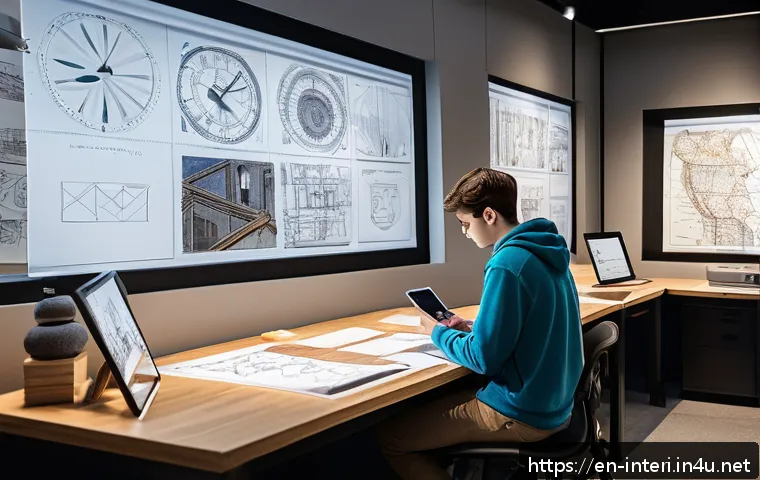
Navigating the challenges of interior architecture practical exams can feel overwhelming, especially as industry standards continue to evolve rapidly.
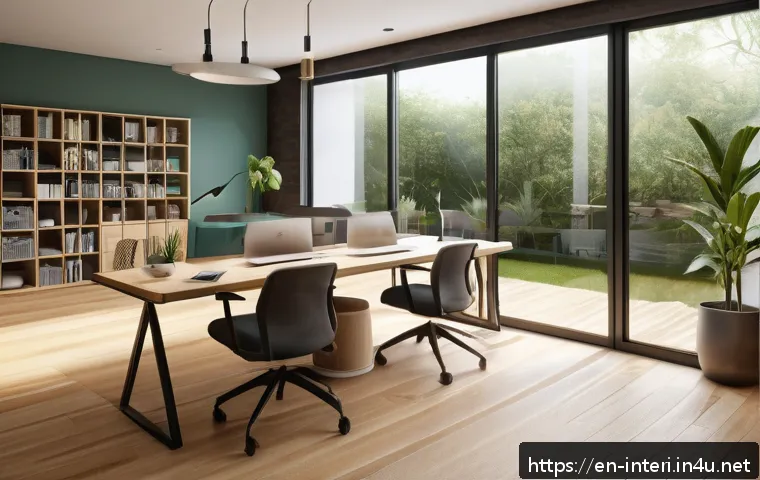
With new design trends and technology reshaping the field, mastering these exams requires more than just technical knowledge—it demands strategic thinking and creativity.
If you’re aiming to stand out and secure top scores, understanding proven strategies and real-world examples is essential. In this post, I’ll share insights gathered from personal experience and expert advice that can transform your exam approach.
Whether you’re a student or a professional refreshing your skills, these tips will help you build confidence and deliver compelling designs under pressure.
Let’s dive into the tactics that can turn your practical exam into a winning masterpiece.
Mastering Time Management for Exam Success
Prioritize Tasks Based on Complexity and Weight
When you first receive the practical exam brief, it’s tempting to jump straight into sketching or modeling. However, taking a moment to analyze the tasks and breaking them down by difficulty and scoring potential can save you precious minutes later on.
From my experience, I’ve learned to list out each component—be it space planning, material selection, or technical detailing—and assign a rough time estimate.
Tackling the most complex or heavily weighted parts early ensures you’re not rushed when the clock’s ticking down. It’s a strategy that helped me avoid panicking during my exams and allowed for smoother workflow.
Create Buffer Time for Revisions and Unexpected Issues
No matter how well you plan, unexpected hiccups—like a sudden design rethink or a technical glitch—can throw off your schedule. Building in buffer time, roughly 10-15% of your total exam duration, is a lifesaver.
Personally, I’ve had moments when my drawing tools failed or a concept didn’t translate well visually, and that extra margin gave me room to adjust without sacrificing quality.
This approach also allows for a final review, which is crucial to catch minor mistakes or enhance weak spots.
Use Timers and Alarms to Stay on Track
Keeping track of time is easier said than done when you’re immersed in creative work. Setting alarms or timers for each task segment can help maintain steady progress.
During one exam, I set my phone to vibrate every 20 minutes to remind me to check my pace. This simple technique kept me from getting lost in details and ensured that I completed all parts within the allotted time.
It’s a practical habit that builds discipline and reduces last-minute stress.
Leveraging Digital Tools Without Losing Creativity
Selecting the Right Software for Your Strengths
The interior architecture field is flooded with software options—from AutoCAD and SketchUp to Revit and Adobe Photoshop. Picking tools that align with your skill set and the exam requirements can give you a significant edge.
For instance, I found that SketchUp’s intuitive 3D modeling helped me quickly visualize spatial relationships, while Photoshop was perfect for adding realistic textures and lighting effects.
Experimenting with these before the exam helps you avoid wasting time figuring out commands under pressure.
Combining Hand Sketching with Digital Techniques
While digital tools are powerful, hand sketching remains invaluable for expressing initial concepts and personal style. I’ve noticed that examiners often appreciate a blend of hand-drawn sketches and polished digital presentations, as it shows versatility and strong foundational skills.
Using hand sketches to brainstorm ideas and then refining them digitally can produce dynamic and authentic designs that stand out.
Stay Updated on Emerging Technologies
New technologies like AR/VR and parametric design are increasingly influencing interior architecture exams. Although not always mandatory, familiarizing yourself with these innovations demonstrates forward-thinking and adaptability.
I once integrated simple parametric patterns into a project, which impressed the panel and showcased my willingness to push boundaries. Keeping up with tech trends through online tutorials or workshops can open doors to creative solutions that elevate your exam work.
Effective Presentation Techniques That Capture Attention
Crafting a Clear and Logical Layout
Presenting your design clearly is just as important as the design itself. Organizing your boards or digital files so that the flow from concept to final solution is logical helps examiners follow your thought process effortlessly.
When I prepare presentations, I start with a mood board or inspiration images, followed by sketches, technical drawings, and finally a 3D rendering or model.
This storytelling approach not only clarifies your ideas but also creates a memorable narrative.
Using Color and Typography Strategically
Colors and fonts can make or break the readability and emotional impact of your presentation. Avoid overwhelming the viewer with too many colors or fancy fonts; instead, I stick to a consistent palette that complements the design theme and choose clean, legible typography.
This consistency lends professionalism and helps highlight key points without distraction. For example, using a muted background with bold accents draws attention to focal areas effectively.
Practice Verbal Explanations and Q&A
Many practical exams include an oral component where you explain your design rationale. Practicing concise, confident explanations beforehand can boost your performance.
I recommend rehearsing answers to common questions about your material choices, spatial solutions, and sustainability considerations. This preparation not only reduces anxiety but also conveys your expertise and passion, leaving a positive impression on examiners.
Understanding Materiality and Sustainability in Design
Choosing Materials That Balance Aesthetics and Functionality
Material selection often makes a critical difference in practical exams. It’s tempting to pick trendy or luxurious finishes, but they need to fit the project’s context and budget realistically.
I’ve learned that choosing materials that are durable, easy to maintain, and visually coherent with the overall design creates a stronger, more believable proposal.
For example, selecting bamboo flooring for a sustainable-themed project not only looks great but aligns with environmental goals.
Incorporating Sustainable Design Principles
Sustainability isn’t just a buzzword; it’s becoming a core expectation in interior architecture. Demonstrating knowledge of energy efficiency, waste reduction, and indoor air quality can elevate your exam work.
During my exams, I highlighted strategies like natural lighting optimization, use of recycled materials, and efficient HVAC systems. These considerations showed a holistic approach and impressed examiners who value responsible design.
Documenting Material Choices Clearly
Clear documentation of your materials—through samples, notes, or detailed specifications—helps examiners understand your decisions. I typically include a material board or legend that identifies each finish along with its benefits and source.

This transparency communicates professionalism and attention to detail, reinforcing your credibility.
Developing Strong Spatial Planning Skills
Understanding Human Scale and Flow
Spatial planning is the backbone of interior architecture, and getting it right requires a solid grasp of human dimensions and movement patterns. I always start by researching ergonomic standards and considering how people will interact with the space.
For example, ensuring sufficient clearance around furniture or designing intuitive pathways can dramatically improve user experience. This focus on human scale not only meets exam criteria but also results in practical, livable designs.
Balancing Function and Aesthetics
A common challenge is to merge functionality with visual appeal. I’ve found that prioritizing the intended use of the space first—whether it’s residential, commercial, or public—guides effective layout decisions.
Once function is secured, layering in aesthetic elements like texture, color, and lighting enhances the atmosphere without compromising usability. This balance is key to creating spaces that work beautifully and look inviting.
Utilizing Zoning and Flexibility
Dividing spaces into zones based on activities can help organize your design logically and efficiently. Flexibility is another factor to consider, especially for multipurpose areas.
During my exam preparations, I sketched alternative layouts that allowed for easy reconfiguration, which demonstrated foresight and adaptability. Including such options can impress examiners by showing you understand real-world needs.
Essential Drawing and Detailing Techniques
Mastering Technical Accuracy
Precision in drawings is non-negotiable during practical exams. My approach involves regularly practicing scale drawing, dimensioning, and proper use of line weights to convey depth and hierarchy.
Attention to detail not only avoids errors but also communicates professionalism. I recall spending extra time refining door and window details, which made my submission stand out.
Enhancing Visual Impact Through Layering
Using layering techniques—such as overlays of furniture, lighting, and finishes—can make drawings more dynamic and easier to interpret. I like to use different pen types or digital layers to separate structural elements from decorative features.
This clarity helps examiners quickly grasp the design intent and appreciate the complexity of your work.
Incorporating Notes and Annotations Effectively
Well-placed notes and labels can clarify tricky aspects of your design without cluttering the drawing. I aim to keep annotations concise but informative, explaining material choices, construction methods, or special features.
This practice ensures that even if the visual isn’t immediately clear, the examiner can understand your rationale.
Practice Makes Perfect: Building Confidence Through Repetition
Simulating Exam Conditions
Nothing beats practicing under real exam conditions. I set strict time limits and replicate the exam environment as closely as possible, including sitting at a desk with limited tools.
This method helped me build stamina and reduce anxiety, making the actual exam feel less daunting. Repeated simulations also revealed weaknesses that I could focus on improving.
Seeking Constructive Feedback
Getting input from instructors, peers, or professionals provides invaluable perspective. I often shared my practice work and asked for honest critiques, which helped me identify blind spots and elevate my design quality.
Feedback also encouraged me to experiment with new ideas and refine my presentation style.
Reflecting on Past Performances
After each practice session or exam, taking time to review what worked and what didn’t is crucial. I keep a journal noting challenges faced and lessons learned, which guides my preparation for future attempts.
This reflective habit boosts self-awareness and continuous improvement, essential for mastering practical exams.
| Aspect | Key Strategy | Benefit |
|---|---|---|
| Time Management | Prioritize complex tasks, buffer time, use timers | Ensures steady progress, reduces stress, allows revisions |
| Digital Tools | Choose familiar software, blend hand sketching, stay updated | Speeds up workflow, enhances creativity, shows adaptability |
| Presentation | Logical layout, consistent color/font, rehearse explanations | Clear communication, professional appearance, confidence |
| Material & Sustainability | Balance aesthetics/function, incorporate eco-principles, document clearly | Realistic design, appeals to examiners, shows responsibility |
| Spatial Planning | Human scale, function-aesthetic balance, zoning/flexibility | Practical, user-friendly, adaptable spaces |
| Drawing Techniques | Technical accuracy, layering, clear annotations | Professional quality, easy interpretation |
| Practice | Simulate exam, get feedback, reflect on results | Improved skills, confidence, continuous growth |
In Conclusion
Mastering practical exams requires a blend of strategic planning, skillful execution, and adaptability. By managing your time wisely, leveraging the right tools, and presenting your work clearly, you set yourself up for success. Remember, consistent practice and thoughtful reflection are key to building confidence and refining your approach. Stay curious and keep evolving your skills to stand out in any exam setting.
Helpful Tips to Remember
1. Break down your tasks by difficulty and importance to allocate your time effectively and avoid last-minute rushes.
2. Incorporate buffer time in your schedule to handle unexpected challenges and allow for thorough revisions.
3. Use alarms or timers to maintain steady progress and keep yourself accountable during the exam.
4. Combine hand sketching with digital tools to showcase versatility and enhance your design presentation.
5. Practice under realistic exam conditions and seek constructive feedback to continuously improve your performance.
Key Takeaways
Effective exam preparation hinges on deliberate time management, blending traditional and digital techniques, and clear, confident communication. Prioritize tasks thoughtfully, stay updated with relevant technologies, and maintain precision in your drawings and presentations. Most importantly, embrace ongoing practice and feedback to build resilience and expertise, ensuring your designs are both practical and impressive under pressure.
Frequently Asked Questions (FAQ) 📖
Q: uestionsQ1: How can I effectively manage my time during an interior architecture practical exam?
A: Time management is crucial when facing practical exams. Start by carefully reading the entire brief to understand all requirements. Allocate specific time blocks for each task—concept development, sketching, detailing, and final presentation.
I found that setting mini-deadlines within the exam helped me stay on track and avoid rushing at the end. Also, prioritize tasks that carry the most weight in grading.
Practicing with timed mock exams beforehand can build your pacing skills and reduce anxiety on the day.
Q: What are some ways to incorporate current design trends without compromising originality?
A: Staying updated with industry trends like sustainable materials, biophilic design, or smart technology integration is important, but it shouldn’t overshadow your personal creativity.
I suggest using trends as a framework rather than a rulebook. For instance, you might include greenery to embrace biophilic elements but interpret it uniquely through custom planters or unexpected placements.
This balance shows examiners you’re both knowledgeable and innovative. Research recent award-winning projects or design magazines to find inspiration that you can adapt to your style.
Q: How can I demonstrate creativity and strategic thinking under exam pressure?
A: Creativity often flourishes when you have a clear strategy. Begin by analyzing the problem deeply—what is the user’s need, and what constraints exist?
Then brainstorm multiple solutions quickly, jotting down ideas without judging them initially. I personally use mind maps or quick thumbnail sketches to explore options.
Choose the concept that best balances functionality and aesthetics, and develop it confidently. Communicate your thought process in your presentation to highlight strategic reasoning.
Remember, showing how you arrive at your design can be as impactful as the final product itself.