Hey there, future design gurus! Getting ready to tackle that interior design practical exam can feel like walking a tightrope, right? You’ve poured countless hours into perfecting your vision, but knowing exactly what the examiners are looking for, beyond just aesthetics, can often be the missing piece of the puzzle.
I’ve been there myself, stressing over every detail, and what I learned is that truly understanding the scoring criteria isn’t just about passing; it’s about strategically showcasing your skills and making every line count.
It’s about more than just a pretty picture; it’s about meeting those crucial industry standards and demonstrating your professional prowess. Let’s dive deeper into exactly what makes a winning submission and how you can truly nail it!
Beyond the Aesthetics: The Blueprint of Your Vision
Okay, so let’s get real for a moment. When I was prepping for my own practical exams, I spent countless hours fussing over color palettes, furniture arrangements, and the “pretty” stuff. And don’t get me wrong, aesthetics are absolutely crucial in interior design! But what truly separates a passing grade from an outstanding one, what really makes examiners sit up and take notice, is the robust thought process underpinning your design. They’re not just looking for a beautiful room; they’re looking for a beautiful *solution*. It’s about how clearly you articulate the ‘why’ behind every choice you make, from the overall concept down to the smallest detail. This isn’t just about showing off your artistic flair; it’s about proving you can think strategically and professionally. I remember one of my instructors always saying, “If you can’t explain it, you haven’t designed it,” and that really stuck with me. It’s about having a narrative that flows seamlessly from your initial concept to your final presentation, demonstrating a clear understanding of design principles and how they apply to your specific project. This foundational understanding is the bedrock upon which all successful designs are built, and examiners are incredibly adept at spotting when it’s missing or, conversely, when it’s been meticulously crafted.
The Power of a Solid Concept Statement
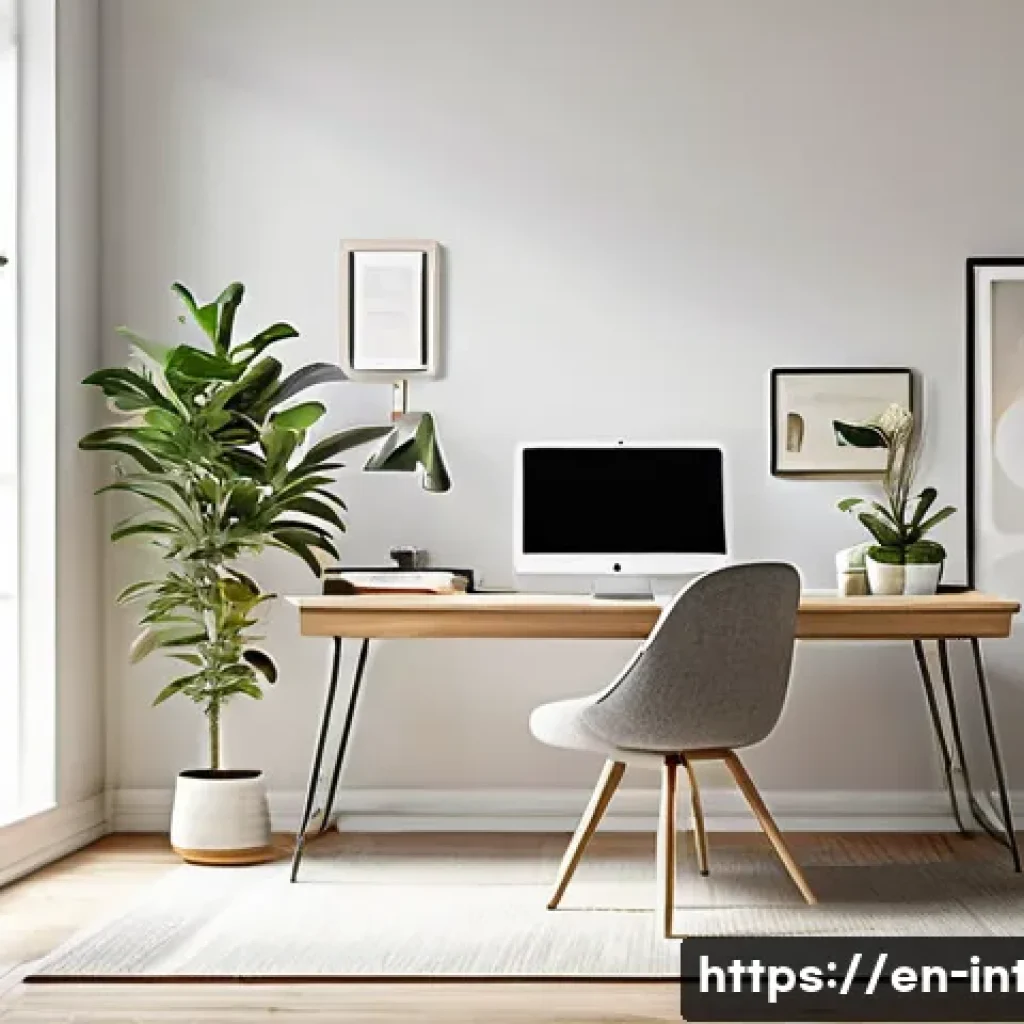
Honestly, nailing your concept statement is like writing the compelling opening paragraph of a novel—it sets the stage, hints at the plot, and hooks your reader (or in this case, your examiner). It’s not just a fancy phrase; it’s the guiding star for your entire project. I learned the hard way that a vague concept leads to a vague design. When I first started, my concepts were often too broad, like “modern minimalist.” While that sounds okay, it doesn’t give you a clear direction for specific decisions. What truly helped me was focusing on *what* problem my design was solving or *what* experience it was creating. For example, instead of just “modern minimalist,” I’d refine it to something like “a serene, adaptable workspace fostering focused creativity for remote tech professionals.” See the difference? It provides a framework for every single decision, from lighting choices to material selections, ensuring everything supports that core idea. Examiners want to see that you’ve thought deeply about the project’s purpose and that your design isn’t just a collection of stylish elements, but a cohesive, purposeful environment.
Demonstrating Design Intent and Philosophy
Beyond just a concept, your design intent and philosophy are about your personal stamp, your professional voice. It’s how you, as a designer, approach problem-solving and aesthetic expression. Examiners want to understand *your* unique perspective. Are you focused on sustainability? User-centric design? Historical preservation? My personal journey taught me that developing a clear design philosophy made my work much more authentic and convincing. It’s about explaining *why* you chose a particular layout, *why* certain materials were selected, and *how* these choices align with both your concept and broader design principles. For instance, if you’re designing a restaurant, your philosophy might revolve around creating an intimate, communal dining experience. Every design element, from table spacing to acoustic treatments, would then be justified by how it contributes to that philosophy. This level of intentionality shows maturity and a deep understanding of your craft, signaling to the examiners that you’re not just following trends but actively shaping spaces with purpose and integrity.
Precision in Practice: Technical Drawings and Specifications
Alright, let’s talk brass tacks: the technical stuff. I know, I know, it’s not always the most glamorous part of design, but trust me, it’s absolutely non-negotiable for practical exams. I’ve seen incredibly creative concepts fall flat because the technical drawings were a mess. Examiners aren’t just looking at the pretty pictures; they’re scrutinizing your ability to translate that vision into a buildable reality. This means precise dimensions, accurate scaling, clear annotations, and a comprehensive set of specifications. When I was preparing, I practiced drawing until my hand cramped, focusing on lines that were crisp and clear, and making sure every single measurement was spot on. It’s like being an architect and an artist all rolled into one – you need the imaginative spark but also the engineering precision. Think of your technical drawings as the instruction manual for bringing your design to life. If that manual is unclear or incorrect, the project is doomed before it even starts. Mastering this aspect demonstrates your readiness for the real world of design, where accuracy literally translates to successful execution and client satisfaction. It’s where your professionalism truly shines through.
The Devil’s in the Details: Drawing Accuracy
Oh, the agony of a misplaced dimension or an incorrectly scaled wall! I can vividly remember submitting a project early in my studies where I’d accidentally used the wrong scale for a section view, and it completely threw off the entire presentation. Learn from my mistake, folks! Examiners are incredibly keen on drawing accuracy. This includes everything from the thickness of your lines to the consistency of your symbols. Your floor plans, elevations, sections, and detail drawings must all align perfectly and be drawn to scale with absolute precision. Any discrepancy or sloppy work immediately signals a lack of attention to detail, which can be a red flag for a professional designer. It’s not just about neatness; it’s about conveying information accurately and unambiguously. Imagine a contractor trying to build from your plans – they need crystal-clear instructions. So, take the time, use your rulers and templates meticulously, and double-check, triple-check every single line and measurement. It’s tedious, yes, but it builds the foundation of trust and competence that examiners are looking for.
Specifying for Success: Material and Product Callouts
Beyond the lines on the page, the materials and products you specify are the tangible elements of your design. And how you call them out on your drawings and in your schedules is vital. I used to think a quick note was enough, but boy, was I wrong! Examiners want to see comprehensive and correct material specifications. This means identifying not just “wood flooring” but perhaps “Engineered Oak Hardwood Flooring, European White Oak, 7-inch wide planks, Matte Finish, by XYZ Flooring, Model #12345.” This level of detail ensures that your design can actually be procured and constructed as intended. It also shows that you’ve done your research, understand product availability, and are thinking about the practical implications of your choices. Moreover, your finish schedules and furniture schedules need to be perfectly organized, with clear codes that correspond to your drawings. This organized approach reflects a highly professional mindset, indicating that you’re capable of managing the complex details of a design project from conception to completion. It really makes a huge difference in how your entire submission is perceived.
Client-Centric Design: Addressing User Needs and Functionality
When I first started out, I often fell into the trap of designing for *myself*. What *I* liked, what *I* thought looked good. But a truly great interior design isn’t about the designer; it’s about the people who will inhabit and interact with the space. Examiners are looking for designs that prioritize the user, that solve real-world problems, and that are genuinely functional. This means moving beyond just pretty pictures and delving deep into the practicalities of how a space will be used. Think about the flow of traffic, the ergonomics of furniture, the accessibility for all users, and how the environment supports its intended activities. I recall working on a residential project for a family with young children and initially forgetting to consider child-safe materials and rounded corners for furniture – a huge oversight! It was a powerful lesson in putting myself in the shoes of the end-users. Demonstrating this empathy and foresight in your design shows a mature and responsible approach to your craft. It proves you understand that design isn’t just about aesthetics; it’s about improving lives and experiences within built environments. This is where your design truly becomes meaningful.
Understanding the User Journey
To design truly client-centric spaces, you have to understand the ‘user journey’ – essentially, how people will move through, interact with, and experience your space from start to finish. I’ve found that actually sketching out these journeys, almost like a storyboard, can be incredibly insightful. For instance, if you’re designing a retail store, think about how a customer enters, where their eyes are drawn, how they navigate displays, try on clothes, and proceed to checkout. Are there bottlenecks? Is the signage clear? Is the experience intuitive and enjoyable? Examiners want to see that you’ve mapped this out and designed your space to facilitate these actions seamlessly. It’s not just about placing objects; it’s about choreographing an experience. This means considering everything from sightlines to soundscapes, ensuring that every aspect of the environment supports the intended human activities. A design that clearly anticipates and caters to the needs and movements of its users is a design that truly stands out.
Ergonomics and Flow: Designing for Life
Let’s face it, no matter how beautiful a chair is, if it’s uncomfortable, it’s a bad chair. The same goes for an entire room. Ergonomics—the study of people’s efficiency in their working environment—is paramount. Are the countertops at the right height? Is there enough clearance around furniture for comfortable movement? Can someone easily reach the items they need? These might seem like minor details, but they profoundly impact daily life. I’ve personally experienced the frustration of a poorly designed kitchen where the workflow was constantly interrupted, or a desk setup that caused perpetual neck strain. Examiners want to see that you’re designing for human comfort and efficiency. Beyond individual ergonomic considerations, think about the ‘flow’ of the space. Does it encourage easy movement? Are different zones clearly defined yet connected? A well-designed space feels effortless; a poorly designed one constantly reminds you of its shortcomings. Demonstrating an acute awareness of ergonomics and spatial flow showcases a holistic and thoughtful design approach.
Material Mastery: Selection and Sustainability Smarts
Choosing materials for a design project is so much more than picking out what looks good. It’s a complex interplay of aesthetics, durability, cost, maintenance, and increasingly, sustainability. I used to just gravitate towards materials I personally found appealing, but I quickly learned that examiners expect a much deeper, more justified approach. They want to see that you understand the properties of each material, how it performs in different environments, and how it contributes to the overall concept and functionality of the space. My own ‘aha!’ moment came when I was working on a high-traffic commercial project; I originally specified a beautiful, but incredibly delicate, floor finish. My mentor gently pointed out that while it looked stunning, it would last about three weeks before needing replacement, blowing the client’s budget and creating unnecessary waste. That’s when it clicked: every material choice needs a solid rationale. Beyond functionality, there’s a growing emphasis on eco-conscious design, a topic I’m incredibly passionate about. Showing an awareness of sustainable options and their lifecycle impacts is no longer just a bonus; it’s becoming an expectation.
Justifying Your Choices: Material Rationale
So, you’ve picked out a gorgeous stone for a countertop – great! But why *that* stone? What are its benefits over another? Is it durable enough for the intended use? Is it within budget? These are the questions examiners will implicitly or explicitly ask. I’ve found that having a clear rationale for every material choice strengthens your entire design presentation. It shows that you’ve done your homework and aren’t just making arbitrary decisions. For example, if you choose polished concrete, your rationale might involve its industrial aesthetic, its incredible durability for heavy foot traffic, its low maintenance, and its thermal mass properties for passive heating. Each point adds weight to your decision and demonstrates a comprehensive understanding. This justification also extends to finishes, fabrics, and even hardware. Being able to articulate the ‘why’ behind each selection not only boosts your score but also builds your confidence as a designer, preparing you for real client conversations where every choice is scrutinized.
Embracing Eco-Conscious Design
Sustainability isn’t just a buzzword anymore; it’s a fundamental responsibility for designers. And let me tell you, showing an understanding of eco-conscious design principles will absolutely give you an edge. Examiners are increasingly looking for projects that consider environmental impact. This doesn’t mean every project has to be a net-zero building, but it does mean thinking about things like sourcing local materials to reduce transportation emissions, specifying recycled or rapidly renewable materials, considering the indoor air quality impact of finishes (low-VOC, for instance), and designing for longevity or future adaptability. My experience with incorporating reclaimed wood into a project, not just for its aesthetic appeal but also for its reduced environmental footprint, was a real turning point. It allowed me to tell a more compelling story about the design’s broader positive impact. Even small considerations, like efficient lighting or water-saving fixtures, demonstrate a commitment to responsible design practices. Integrating these principles showcases a forward-thinking and ethical designer, which is highly valued in today’s industry.
Presentation Power: Communicating Your Design Effectively
You can have the most brilliant design concept in the world, backed by impeccable technical drawings and perfectly justified material choices, but if you can’t *communicate* it effectively, it might as well stay in your head. This is where your presentation skills truly come into play, and it’s a critical component that examiners weigh heavily. I’ve learned that presenting your work isn’t just about showing off; it’s about telling a compelling story, guiding your audience through your vision, and convincing them of its merit. It’s an art form in itself! From the clarity of your visual aids to the confidence in your verbal delivery, every element contributes to how your design is perceived. I remember one exam where I was so nervous my voice cracked, and I rushed through my explanation. Even though my design was solid, my presentation undermined it. Mastering this aspect means practicing, refining, and understanding that you are both the designer and the advocate for your work. It’s about making your passion and professionalism evident through every word and image.
Visual Storytelling: Rendering and Mood Boards
Your renderings and mood boards are your design’s visual narrative, and they need to speak volumes without you saying a word. Examiners want to see how well you can bring your 2D plans to life in 3D, creating immersive and evocative images. When I’m creating a rendering, I’m not just thinking about accuracy; I’m thinking about the *feeling* it conveys, the atmosphere it creates. Lighting, materiality, and even the subtle details of styling can dramatically impact perception. Similarly, your mood boards shouldn’t just be a random collection of images; they should be a cohesive visual poem that captures the essence of your concept, texture, color, and overall vibe. I personally love creating a “sensory board” that includes actual material samples or tactile elements, allowing the viewer to physically experience a glimpse of the design’s potential. These visual tools are powerful because they allow examiners to step into your envisioned space, making your abstract ideas tangible and incredibly persuasive. It’s your chance to truly captivate and inspire.
Verbalizing Your Vision: The Design Presentation
Beyond the visuals, your verbal presentation is your opportunity to connect with the examiners on a personal and professional level. It’s not just about reciting facts; it’s about passionately articulating your design journey, explaining your decisions, and responding thoughtfully to questions. I used to dread presentations, but I’ve come to view them as a crucial dialogue. I’ve found that practicing out loud, even to an empty room, helps immensely with flow and confidence. The key is to be clear, concise, and engaging, guiding the examiners through your project’s narrative arc—from the problem statement to your innovative solutions. Be prepared to defend your choices, but also be open to constructive feedback. This demonstrates maturity and a willingness to learn, which are highly valued professional traits. Remember, you’re not just showing a design; you’re showcasing *yourself* as a competent, articulate, and thoughtful designer. Your ability to articulate your vision verbally is often what leaves the lasting impression, so make it count!
Navigating the Unexpected: Problem-Solving Prowess
Here’s a little secret they don’t always tell you: design isn’t just about creating beautiful spaces; it’s often about solving really tough puzzles. And believe me, examiners know this. They’re looking for signs that you can think on your feet, adapt to constraints, and innovate your way through challenges. My toughest practical exam wasn’t the one with the most complex brief, but the one where I encountered an unforeseen structural limitation halfway through my design process. Panic, anyone? My initial instinct was to try and hide it, but then I realized: addressing it head-on, explaining the challenge, and presenting a thoughtful solution would actually showcase my problem-solving skills far better. In the real world, projects rarely go exactly as planned. Budgets change, materials become unavailable, client needs evolve. Demonstrating your ability to analyze a problem, brainstorm creative solutions, and integrate them seamlessly into your design is a massive indicator of your professional readiness. It tells examiners you’re not just a good artist, but a resilient and strategic thinker, which is invaluable in this industry.

Anticipating Design Hurdles
A sign of an experienced designer isn’t just knowing *what* to design, but also anticipating *what might go wrong*. Proactive problem-solving starts with foreseeing potential hurdles. For instance, when designing a small apartment, you should immediately think about space constraints, multi-functional furniture, and maximizing natural light. For a commercial space, you might anticipate challenges related to code compliance, high-traffic durability, or acoustics. I started making a habit of mentally “walking through” my designs, trying to find weaknesses or potential issues before they became actual problems. This could involve asking myself, “What if this material isn’t available?” or “How will this space function if the client needs to reconfigure it in five years?” Showing that you’ve considered potential obstacles and proactively addressed them in your design demonstrates a sophisticated level of planning and foresight. It highlights your capacity to think critically beyond the immediate aesthetic and consider the long-term viability and adaptability of your creations.
Adapting and Innovating Under Pressure
Sometimes, despite your best efforts, you’ll encounter an unexpected curveball during an exam—a sudden change to the brief, a material you can no longer use, or a technical drawing that just isn’t working out. This is where your ability to adapt and innovate under pressure really shines. It’s easy to get flustered, but examiners are watching how you react. Can you pivot? Can you find a creative alternative without compromising your core concept? I remember a moment during a timed exam where my chosen rendering software crashed, and I had to quickly switch to hand-drawing a critical elevation, modifying my presentation on the fly. It was terrifying, but the ability to deliver *something* coherent and well-thought-out, despite the technical glitch, spoke volumes. This resilience and ingenuity are highly prized because they reflect real-world design scenarios. It proves that you’re not just capable of following instructions, but that you possess the resourcefulness and critical thinking necessary to navigate the dynamic and often unpredictable nature of design projects.
| Assessment Area | What Examiners Are Looking For | My Pro Tip |
|---|---|---|
| Concept Development | Clear, cohesive, and innovative design philosophy. | Start with a strong narrative; it’s your design’s heartbeat. |
| Technical Accuracy | Precise drawings, correct scaling, detailed specifications. | Double-check everything, especially dimensions and material callouts. |
| Functionality & User Experience | Practical solutions, ergonomic considerations, accessibility. | Walk through your design from the user’s perspective. |
| Material & Finish Selection | Appropriate, justified, and sustainable choices. | Don’t just pick pretty; explain the ‘why’ behind each choice. |
| Communication & Presentation | Clear visuals, confident verbal articulation, compelling storytelling. | Practice your presentation out loud; clarity is king. |
Crafting a Cohesive Narrative: Consistency Across the Board
So, you’ve got your concept, your drawings are spot-on, you’ve considered the users, picked smart materials, and you’re ready to present. But there’s one often-overlooked element that ties everything together and screams “professional” to your examiners: consistency. This isn’t just about using the same font throughout your presentation boards, although that certainly helps! It’s about ensuring that every single aspect of your submission—from your initial concept statement to your final detailed drawing—speaks the same language and supports the same overarching vision. I’ve definitely learned that inconsistency can undermine even the strongest individual components of a design. If your mood board hints at a cozy, rustic vibe but your furniture schedule lists sleek, modern pieces, that jarring disconnect will be immediately noticed. Examiners are looking for a seamless narrative, where every choice, every line, and every detail reinforces your core idea. This level of meticulousness demonstrates that you have a firm grasp of your project and that you can maintain a high standard of quality across all deliverables.
Harmony in Design Elements
Achieving harmony across all design elements means that nothing feels out of place or tacked on as an afterthought. Think about it like a symphony: every instrument, every note, needs to contribute to the overall composition. In your design, this translates to consistency in style, scale, color palette, and even the level of detail. If you’ve chosen a minimalist aesthetic, ensure your details are crisp and uncluttered, and that your material palette is restrained. If your concept is playful and vibrant, let that energy flow through your color choices, furniture forms, and decorative elements. I remember working on a project where I accidentally introduced a very traditional molding detail into an otherwise contemporary space, and it created an immediate visual discord. My instructor pointed out that while the molding was beautiful on its own, it completely broke the harmony of the room. Examiners are trained to spot these dissonances, so making sure your design elements are in perfect conversation with each other is absolutely key to a successful, unified presentation.
Reflecting the Concept in Every Detail
This is where the magic truly happens: when your initial concept isn’t just a paragraph at the beginning of your presentation, but a palpable thread woven through every single detail of your design. Examiners are looking for evidence that your concept has informed *all* your decisions. For example, if your concept is about “biophilic design for urban wellness,” how is that reflected in your material choices (natural wood, stone, plants), your color palette (earthy tones, greens), your lighting design (maximizing natural light, mimicking circadian rhythms), and even your furniture arrangements (creating serene zones, promoting connection to nature)? My personal experience has shown me that actively asking “Does this support my concept?” for every decision, no matter how small, makes a huge difference. It forces you to be intentional and creates a design that is deeply rooted in its purpose. When an examiner can intuitively trace your concept through every aspect of your submission, it’s a clear sign that you’ve not only designed a space, but you’ve crafted a truly cohesive and meaningful experience.
글을 마치며
Whew! That was a deep dive, wasn’t it? As someone who’s been through the design exam trenches and now navigates the exciting (and sometimes chaotic) world of professional design, I truly hope these insights have clicked for you. Remember, passing those practical exams isn’t just about proving you can create a pretty picture; it’s about demonstrating a holistic understanding of design, from the grand concept down to the tiniest screw. It’s about showing you’re ready to solve real-world problems with both creativity and precision. I genuinely believe that embracing these principles won’t just help you ace your exams, but will lay a rock-solid foundation for a thriving, impactful career where you truly make a difference in people’s lives through your designs. Keep learning, keep experimenting, and most importantly, keep that passionate design spirit burning bright!
알아두면 쓸모 있는 정보
1. Dive Deep into Your Design Brief: Before you even sketch a single line, spend an almost obsessive amount of time dissecting your design brief. Don’t just read it; live it. What are the unspoken needs? What are the potential constraints? The more intimately you understand the core problem or aspiration, the more elegantly your solution will emerge. I’ve found that drawing up a detailed mind map or even creating a “client persona” based on the brief helps immensely. This isn’t just a quick skim; it’s about truly internalizing the project’s essence so that every subsequent decision is rooted in a clear, well-understood purpose. Believe me, a solid brief analysis saves countless hours of backtracking later on and ensures your creative energy is directed precisely where it needs to be, leading to a much more focused and impressive final outcome.
2. Practice, Practice, Practice Your Presentation: Seriously, don’t underestimate the power of a compelling presentation. You could have the most brilliant design, but if you can’t articulate it clearly and confidently, its impact will be lost. I used to practice in front of a mirror, timing myself and even recording my voice to catch any nervous habits or areas where my explanation wasn’t quite clear. Think of it as a performance – you’re telling a story, and you’re the lead storyteller. Work on your verbal pacing, your hand gestures, and how you engage your audience. A well-rehearsed, passionate presentation not only conveys your professionalism but also dramatically increases your score, as it directly reflects your ability to communicate effectively in a client-facing role. It’s truly a skill that sets you apart.
3. Embrace Feedback as a Gift: It’s easy to get defensive when your design baby is critiqued, especially during exams. But trust me on this: view every piece of feedback, even the harsh ones, as an invaluable gift. It’s a chance to see your work from another perspective, to identify blind spots, and ultimately, to grow. I’ve had moments where initial feedback felt like a punch to the gut, but after processing it, I realized the critiques often led to a stronger, more refined design. Examiners aren’t trying to tear down your work; they’re trying to help you learn and improve. Show that you can listen, analyze, and apply constructive criticism, and you’ll not only impress them but also fast-track your development as a designer. It’s a critical skill for lifelong learning in a dynamic industry.
4. Build a Strong Portfolio, Starting Now: Your practical exams are prime opportunities to generate killer portfolio pieces. Don’t just design to pass; design to impress future employers and clients. Document every step of your process: initial sketches, mood boards, technical drawings, and final renderings. Take high-quality photos if it’s a physical model. A well-curated portfolio that showcases your best work, diverse skills, and thoughtful process is your golden ticket in the design world. I’ve landed jobs not just because of my grades, but because my portfolio told a compelling story of my capabilities. Think of each project as a building block for your professional identity, and treat it with the care and attention it deserves. It’s your visual resume, and it speaks volumes about who you are as a designer.
5. Network, Network, Network (Even Before You Graduate): The design world is incredibly interconnected, and building relationships early on can open doors you never knew existed. Attend industry events, connect with guest lecturers, reach out to designers you admire, and utilize professional platforms. I started attending local design meetups while still in school, and those early connections provided invaluable advice, mentorship, and even my first internship opportunities. Don’t be afraid to put yourself out there; most people are genuinely happy to share their experiences and help aspiring designers. The insights you gain and the relationships you forge will be just as, if not more, valuable than anything you learn in a textbook. It’s about building your community and finding your tribe in this exciting profession.
중요 사항 정리
So, here’s the bottom line, my friends: crushing those practical design exams (and, honestly, rocking your future career) boils down to a few core pillars. First, your concept needs to be as clear as a bell and underpin *every single design decision* you make. Second, never, ever skimp on technical accuracy; those precise drawings and detailed specifications are your design’s blueprint for reality. Third, always put the user first – design for life, for comfort, and for real-world functionality. Fourth, be smart and sustainable with your material choices, justifying each one with purpose. And finally, remember that communication is paramount; your ability to present your vision visually and verbally with confidence and clarity will absolutely make or break your success. Keep these in mind, and you’re not just designing, you’re building a remarkable future for yourself!
Frequently Asked Questions (FAQ) 📖
Q: What are the absolute must-haves that examiners always look for, beyond just a beautiful aesthetic?
A: Oh, this is such a critical question, and one I wish I’d fully grasped before my own practical exam! While we all strive for that ‘wow’ factor, examiners are really digging deeper than just visual appeal.
From what I’ve seen and experienced, they are intensely focused on your problem-solving skills and your ability to meet the client’s brief with practical, code-compliant solutions.
Think about it: a stunning design is useless if it’s not functional, safe, or within budget, right? So, first and foremost, show them you understand the technicalities.
This means demonstrating a clear understanding of space planning, accessibility standards (like ADA compliance in the U.S.), building codes, and material specifications.
Are your egress paths clear? Is your furniture appropriately scaled for the space and function? Have you considered traffic flow?
These are the foundational elements. I also can’t stress enough the importance of your documentation. Clear, precise floor plans, elevations, sections, and detailed schedules for finishes and fixtures aren’t just busywork; they’re proof you can communicate your vision effectively to contractors and clients alike.
When I finally understood that these seemingly ‘boring’ elements were the backbone of a successful project, it completely changed my approach. It’s about proving you’re not just an artist, but a meticulous professional who can bring a concept to life responsibly and reliably.
Q: How can I make sure my design concept truly stands out and tells a compelling story, instead of just being another pretty picture?
A: This is where you get to truly shine and inject some personality into your work! While technical precision is non-negotiable, a captivating story is what makes your project memorable.
When I was preparing, I heard so much about “concept development,” but it felt so abstract. What really clicked for me was thinking about it like this: every space has a narrative, and you, the designer, are the storyteller.
Instead of just picking a style, dig into the why behind your choices. Who is the client? What are their aspirations, their challenges, their daily rhythms?
What mood or feeling do you want to evoke? For instance, don’t just say you chose a “mid-century modern” aesthetic; explain why it fits your specific client’s love for vintage finds and their desire for a comfortable, uncluttered family space that feels both nostalgic and fresh.
Use mood boards, material samples, and even a well-articulated written statement to convey this narrative. I found that connecting my material selections directly to the story – perhaps a textured fabric that mimics a client’s favorite rugged landscape, or a color palette inspired by their heritage – made my presentations so much more impactful.
It shows a deep level of empathy and creative thought that goes beyond surface-level aesthetics. Examiners aren’t just looking for pretty; they’re looking for purpose and passion woven into every decision.
Q: I always worry about hitting a mental block or running out of time during these high-pressure exams.
A: ny pro tips for staying on track and delivering my best work under pressure? A3: Oh, trust me, the clock monster is real! I’ve had those moments during exams where my mind just freezes, or I suddenly realize I’ve spent way too long on one detail.
It’s a completely normal feeling, but there are definitely strategies to conquer it. My absolute top tip is pre-planning your time like a hawk. Before you even begin designing, allocate specific chunks of time for each major phase: concept development, schematic design, detailed drawing, material selection, and presentation prep.
And here’s the kicker – stick to it. If you planned 45 minutes for sketching initial layouts, when that timer goes off, you move on, even if it feels unfinished.
Imperfect progress is always better than getting stuck. Another game-changer for me was developing a personal workflow checklist. For every project, I knew the exact sequence of steps I needed to take, from analyzing the brief to finalizing the presentation boards.
Having that mental roadmap prevents you from feeling lost and helps you regain focus if you hit a snag. And finally, breathe! When you feel a block coming on, take 60 seconds to step away, stretch, look out the window, and clear your head.
Sometimes, that tiny break is all it takes for ideas to flow again. Remember, the examiners aren’t just testing your design skills; they’re also assessing your ability to manage a project efficiently and effectively under pressure, which is a huge part of being a successful designer in the real world.