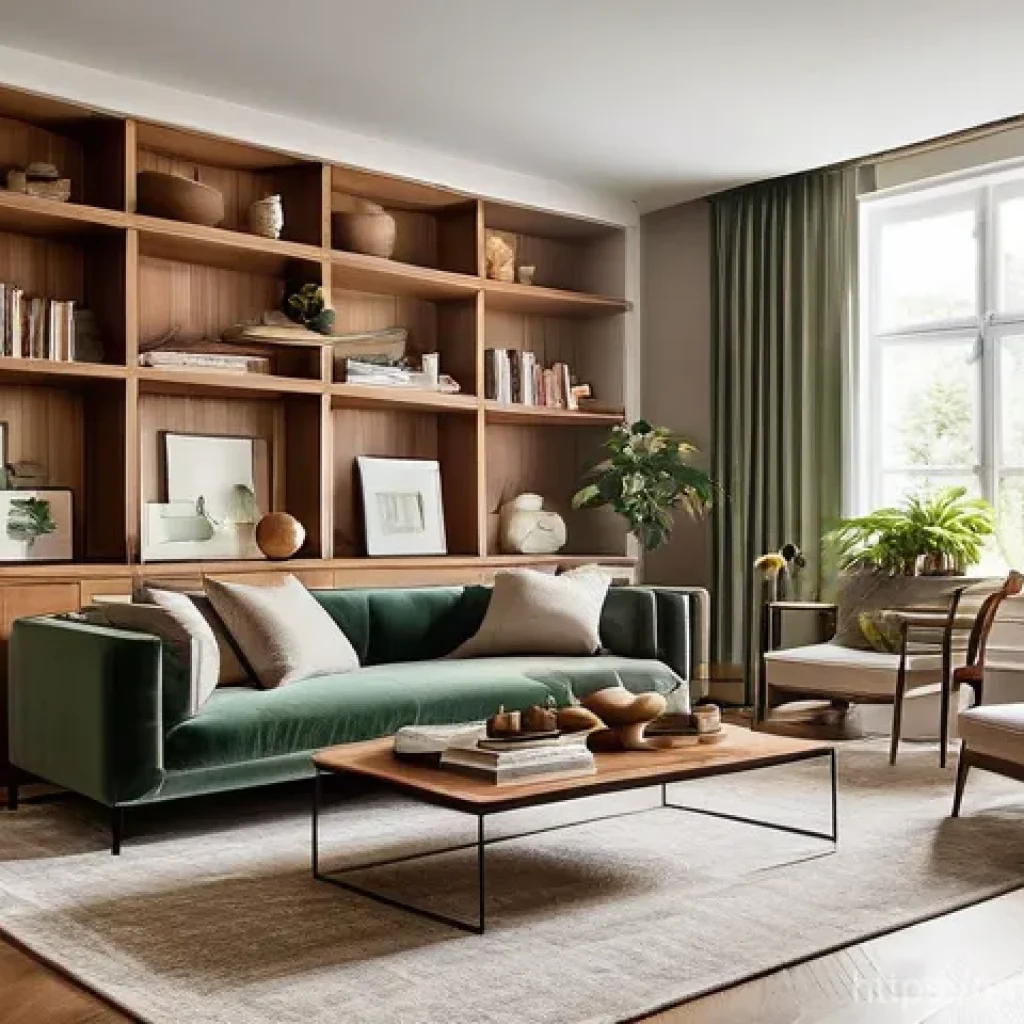
Ever wondered why some spaces just feel right the moment you step in, while others leave you feeling a bit lost? It is not magic; it is brilliant interior design.
For years, I have seen countless people get overwhelmed by the sheer thought of transforming their living areas, believing it is a skill reserved for professionals or those with unlimited budgets.
But here is a secret I have learned from my own journey and countless projects: mastering the foundational principles of interior architecture design is truly accessible to anyone.
These are not just abstract concepts; they are the very tools that empower you to sculpt beauty, maximize functionality, and create a sanctuary that genuinely reflects your personality and lifestyle.
In an era where our homes are becoming more multi-functional—from serene work-from-home hubs to vibrant social spaces—understanding these core techniques is more vital than ever.
I have personally seen how a few simple shifts can completely change the energy of a room, and I am genuinely excited to share how you can achieve that same transformative power.
It is about creating a space that does not just look good, but feels incredible to live in, adapting to modern trends like biophilic design and smart home integration without losing its soulful core.
Let’s accurately uncover these essential techniques together.
Harmonizing Space: Mastering Layout and Flow
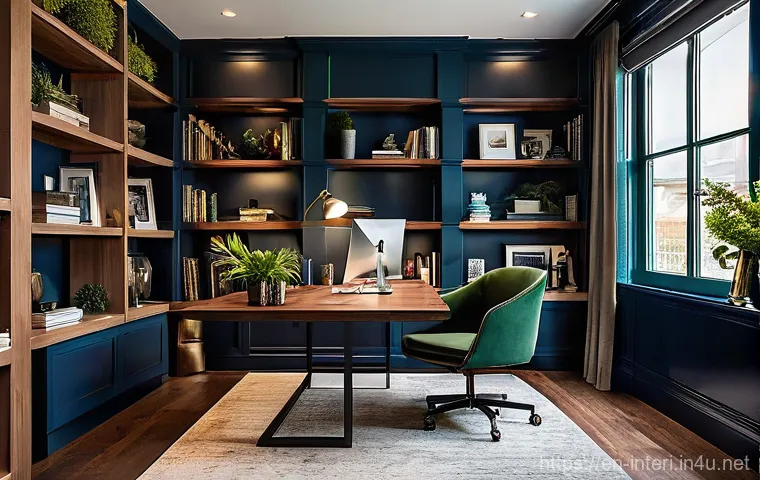
The moment you walk into a room, there’s an immediate feeling you get, right? That sense of ease or, sometimes, a subtle awkwardness. This isn’t just happenstance; it’s the invisible hand of thoughtful spatial arrangement at play.
For years, I’ve watched clients struggle with layouts, moving furniture around endlessly, convinced their space was simply “too small” or “oddly shaped.” But what I’ve consistently found is that it’s rarely about the size, and always about the strategy.
Understanding how people move through a room, where their eyes naturally land, and what activities need to happen in a specific zone is absolutely crucial.
Think about the path from your front door to your living area, or how you navigate from the kitchen to the dining table. These aren’t just lines on a blueprint; they’re the invisible pathways of your daily life.
When these pathways are clear and intuitive, your home breathes. When they’re obstructed, you feel that friction, that “something’s not quite right” feeling.
I personally experienced this in my first apartment; a beautiful open-concept space that felt chaotic until I defined distinct zones for relaxation, dining, and working, using clever furniture placement and even area rugs.
It wasn’t about adding walls, but about creating visual boundaries that made sense for how I lived. It truly transformed the entire vibe of the place.
Defining Zones for Purpose and Privacy
One of the most powerful techniques I’ve ever used is creating distinct zones within an open-plan space. It’s like giving each area its own little job, its own personality.
Instead of one big, overwhelming room, you get a series of smaller, more intimate settings. For instance, in a large living room, you might have a cozy conversation nook near the fireplace, a more expansive seating arrangement for movie nights, and perhaps a small reading corner by the window.
Each zone serves a specific purpose, and the furniture, lighting, and even the wall art can reinforce that. It’s not just about aesthetics; it’s about making your home incredibly functional.
I remember a friend who lived in a studio apartment and felt like she was always “living in her bed.” By using a tall bookshelf as a partial divider and placing a small desk on the other side, she suddenly had a dedicated workspace, a place to eat, and a distinct sleeping area.
It completely changed her perception of her small space and made it feel so much larger and more purposeful. This approach is a game-changer for maximizing every square inch and ensures that your home adapts to your life, not the other way around.
Optimizing Traffic Flow and Circulation
Have you ever tried to host a dinner party and realized everyone was bumping into each other between the kitchen and the dining room? That’s a classic circulation nightmare!
Good design ensures smooth, unobstructed pathways. We’re talking about avoiding “dead ends” and creating clear routes that make moving through a room effortless.
The general rule of thumb is to allow at least 3 feet (about 90cm) for main pathways. I’ve found that placing your largest pieces of furniture first – your sofa, your dining table – helps immensely in establishing these primary routes.
Then, fill in with smaller pieces. I often visualize walking through the space myself, imagining carrying a tray of drinks or navigating with a toddler, to really test if the flow works.
It’s all about anticipating movement and designing for real-life interactions. When the circulation is seamless, your home feels welcoming, intuitive, and stress-free.
It removes that subtle psychological barrier that makes a space feel cumbersome.
Illuminating Insights: The Art of Lighting Design
Lighting is arguably the most transformative element in any interior, yet it’s often the most overlooked. It’s not just about flipping a switch; it’s about painting with light to create mood, highlight features, and enhance functionality.
I’ve walked into countless homes where a single overhead light bulb casts a harsh, unflattering glow, making everything feel flat and uninviting. On the flip side, I’ve seen carefully layered lighting turn a mundane room into a warm, sophisticated sanctuary.
This isn’t just about aesthetics; it profoundly impacts our well-being, productivity, and even our circadian rhythms. When I first started experimenting with design in my own home, I realized how much of a difference dimmers made.
Suddenly, my bright, functional kitchen could transform into a softly lit, cozy space for late-night chats. It’s about flexibility and understanding that different times of day and different activities require entirely different lighting scenarios.
Ignoring good lighting design is like trying to enjoy a beautiful painting in a dimly lit gallery – you’re just not seeing its full potential.
Layering Light for Depth and Dimension
The secret to brilliant lighting isn’t one powerful source, but a symphony of various lights working in harmony. This is what we call “layered lighting.” You need three main types: ambient, task, and accent.
Ambient lighting is your general, overall illumination – think recessed lights or a large ceiling fixture that lights up the whole room. Then comes task lighting, which is focused light for specific activities, like a desk lamp for reading or under-cabinet lighting in the kitchen.
Finally, accent lighting adds drama and highlights focal points, like track lighting on a piece of art or uplights on a plant. I remember designing a client’s living room that had beautiful built-in bookshelves.
By adding subtle LED strips within the shelves (accent lighting), and placing a floor lamp next to the sofa (task lighting), alongside the existing recessed cans (ambient lighting), the room went from feeling bland to looking incredibly sophisticated and inviting.
It’s about building up the light, piece by piece, to create a rich, multi-dimensional atmosphere.
Harnessing Natural Light and Optimizing Fixture Placement
Natural light is a designer’s best friend. Maximizing it not only saves on energy bills but also brings a sense of openness and vitality into a space.
Large windows, skylights, and even strategically placed mirrors can bounce natural light deeper into a room. When designing, I always consider the sun’s path throughout the day – where does the morning sun hit, and where does the afternoon glow settle?
This helps determine optimal furniture placement and window treatments. For artificial fixtures, it’s not just about *what* light, but *where* it goes.
Avoid placing all your lights on the ceiling, as this can create harsh shadows. Instead, spread them around the room at different heights. A floor lamp in one corner, a table lamp on a side table, and wall sconces can create a much more balanced and visually appealing illumination.
I learned this the hard way in my first office; relying on just an overhead light left me with constant headaches. Adding a well-placed desk lamp made all the difference, not just for my eyes, but for the overall comfort of the room.
It’s about creating a glow, not just a beam.
The Palette Power: Unleashing Color Psychology
Color is arguably the most direct and potent tool in an interior designer’s arsenal. It has this incredible power to evoke emotion, define personality, and completely alter our perception of a space.
Think about walking into a vibrant, sun-drenched yellow kitchen versus a calming, serene blue bedroom. Your immediate emotional response is entirely different, isn’t it?
For years, I found myself defaulting to safe neutrals, fearing I’d make a “wrong” color choice. But I’ve come to realize that there’s no such thing as a wrong color, only an unconsidered one.
Understanding the psychology behind different hues and how they interact with each other is liberating. It allows you to craft a narrative for your home, to tell a story through shades and tones.
I once helped a client transform a dull, uninspired living room into a vibrant, energetic hub simply by introducing bold emerald green accents and a warm, inviting terracotta on one feature wall.
The change in their mood, and the room’s energy, was palpable. It’s not just about picking pretty shades; it’s about consciously choosing the feelings you want to foster in your home.
Crafting Mood and Atmosphere with Color
Every color speaks its own language, influencing our psychological and emotional state. Blues and greens are often associated with calmness, tranquility, and nature, making them perfect for bedrooms or spa-like bathrooms.
Reds and oranges, on the other hand, exude warmth, energy, and stimulate conversation, making them fantastic choices for dining rooms or areas where you want to foster social interaction.
Yellows bring cheerfulness and optimism, ideal for kitchens or creative spaces. But it’s not just about the color itself; the intensity matters. A deep, rich navy blue will feel more sophisticated than a bright, playful sky blue.
When I work with clients, I always ask them how they want to *feel* in each room. Do you want to feel relaxed? Energized?
Focused? The answers guide our color choices far more effectively than simply picking a “favorite” color. It’s about intentional design that resonates with your emotional landscape.
Balancing Warm and Cool Tones for Harmony
One of the most common pitfalls I see is a room leaning too heavily into either warm or cool tones, creating an unbalanced or sterile environment. Warm colors – reds, oranges, yellows – tend to advance, making a space feel cozier and more intimate, but too many can feel overwhelming or hot.
Cool colors – blues, greens, purples – recede, making a space feel larger and more open, but an excess can leave a room feeling cold and impersonal. The magic happens when you strike a balance.
Introduce warm wood tones or a fiery accent pillow into a predominantly cool-toned room, or add a touch of cool blue art to a space dominated by warm beiges.
I remember a particularly challenging living room that was all cool grays and silvers. It looked chic, but felt utterly devoid of warmth. By adding a large jute rug, some rich leather poufs, and a few golden-toned picture frames, the room instantly became inviting and lived-in, without losing its modern edge.
This interplay creates depth, interest, and most importantly, a harmonious environment where you truly want to spend time.
Beyond Aesthetics: Weaving Form with Function
It’s easy to get caught up in the visual appeal of interior design – the pretty fabrics, the stunning light fixtures, the perfect art. But true design brilliance, what truly makes a space sing, is when form and function dance together seamlessly.
A gorgeous sofa that’s incredibly uncomfortable is just a prop, not furniture. A stunning kitchen island without enough counter space or proper workflow is a frustration waiting to happen.
For me, the “why” always comes before the “what.” Before I even think about finishes, I’m thinking about how a space will be used, who will use it, and what practical needs it needs to fulfill.
I’ve learned that overlooking the functional aspects leads to beautiful spaces that are utterly impractical, and believe me, nothing sours the joy of a new design faster than daily inconvenience.
My own small bathroom, for instance, forced me to become a master of functional design. Every inch had to work overtime – built-in shelving, a wall-mounted vanity, and even a cleverly placed mirror cabinet maximized storage without sacrificing style.
It taught me that constraints often breed the most innovative solutions.
Ergonomics and Accessibility in Everyday Design
Design isn’t just for the able-bodied; it’s for everyone. Incorporating ergonomic principles and considering accessibility ensures that a space is comfortable and usable for all individuals, regardless of age or physical ability.
This means thinking about counter heights that are comfortable for chopping vegetables, seating that supports good posture, and pathways wide enough for a wheelchair or a stroller.
It’s about more than just legal compliance; it’s about empathy and inclusivity. I once worked on a multi-generational home where we incorporated pull-out pantry shelves, lever-style door handles, and varying counter heights in the kitchen.
These seemingly small details made a huge difference for both the grandparents and the young children living there, making daily tasks much easier and safer for everyone.
It’s about designing with a human-centered approach, ensuring that your home truly welcomes and accommodates every person who steps through its doors.
Storage Solutions: The Unsung Heroes of Organization
Clutter is the enemy of tranquility. It stresses us out, makes spaces feel smaller, and frankly, just doesn’t look good. That’s why smart storage solutions are absolutely critical to good interior architecture.
And I’m not talking about just throwing things in a closet; I mean integrated, thoughtful storage that becomes a part of the design itself. Built-in cabinetry, under-bed drawers, hidden pantry systems, and even decorative baskets that serve a purpose are all vital.
When I moved into my current home, I realized the living room lacked any real storage. Instead of just buying a bulky cabinet, I opted for a custom-built media unit that incorporated closed cupboards, open shelving for display, and even a subtle charging station for devices.
It looks clean, keeps things tidy, and functions perfectly for our family’s needs. Good storage doesn’t just hide things; it organizes life and enhances the overall functionality and aesthetics of your space.
| Design Principle | Key Benefit | Example Application |
|---|---|---|
| Spatial Planning | Improved flow, defined areas | Furniture arrangement, area rugs |
| Layered Lighting | Enhanced mood, task efficiency | Ambient, task, accent lighting combo |
| Color Psychology | Emotional impact, perceived size | Warm tones for coziness, cool for calm |
| Ergonomics | Comfort and usability for all | Adjustable desks, accessible fixtures |
| Integrated Storage | Reduced clutter, maximized space | Built-ins, multi-functional furniture |
The Sensory Symphony: Texture, Pattern, and Scale
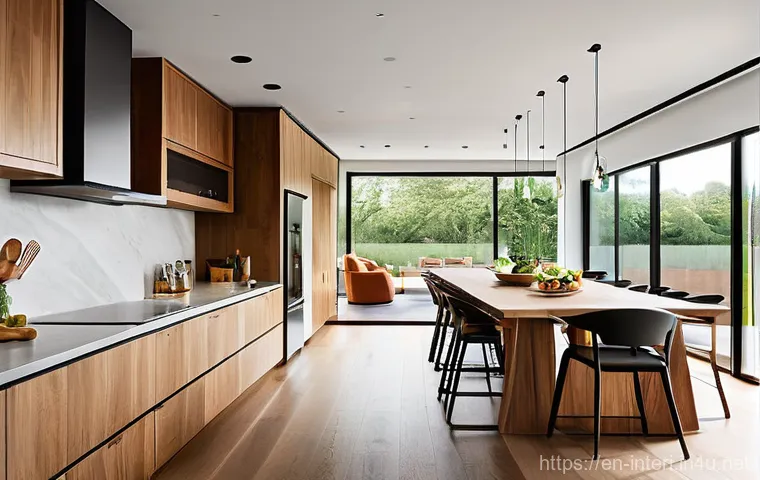
Imagine a room that’s just bare walls and unadorned furniture. It feels cold, stark, and utterly devoid of personality, doesn’t it? That’s because it’s missing the rich tapestry of texture, pattern, and the deliberate play of scale – elements that breathe life, warmth, and visual interest into a space.
These are the details that engage our senses beyond just sight, inviting us to touch, to linger, and to truly *feel* a room. I used to be so focused on the big pieces, the “statement” items, that I’d sometimes overlook the power of a chunky knit throw or the subtle sheen of a silk pillow.
But I quickly learned that these tactile and visual elements are what make a space feel complete, layered, and utterly inviting. It’s like composing a piece of music; each note, each instrument, adds to the overall harmony.
Without these layers, a room can feel one-note, flat, and uninspired. I vividly recall transforming a client’s rather sterile home office into a cozy retreat simply by adding a sheepskin rug, textured linen curtains, and a vibrant patterned wallpaper behind their desk.
The room went from purely functional to wonderfully inviting, all thanks to these sensory details.
Weaving Texture for Depth and Warmth
Texture is about how things feel, or how they *appear* to feel. Think about the difference between a smooth, polished marble surface and a rough, natural wood grain.
Each evokes a distinct sensation. Incorporating a variety of textures prevents a room from feeling flat and adds incredible depth. Imagine pairing a plush velvet sofa with a sleek metal coffee table, a jute rug underfoot, and sheer linen curtains.
The contrast creates visual interest and makes the space feel more sophisticated and comfortable. I often encourage clients to think beyond just fabrics.
Consider textured wallpaper, exposed brick, rough stone accents, or even sculptural elements that have an inherent texture. In my own living room, I layered a thick wool rug over hardwood floors, added a soft faux fur throw to my leather armchair, and used a textured ceramic vase on my bookshelf.
These choices made the room feel incredibly rich and inviting, even with a relatively neutral color palette. It’s about engaging the sense of touch, even from a distance.
Harnessing Pattern and Scale for Visual Impact
Patterns are the visual storytellers of a room, adding character, energy, and a focal point. From geometric prints to intricate florals, stripes to abstract motifs, patterns can instantly elevate a space.
However, it’s crucial to consider their scale. A large-scale pattern in a small room can feel overwhelming, while a tiny, repetitive pattern in a vast space might get lost.
The key is balance and variety. Try mixing different patterns, but ensure they share a common color or theme to maintain cohesion. For instance, you could pair a bold floral print on throw pillows with a more subtle stripe on an armchair, as long as they share a similar color palette.
Scale also applies to furniture and decor. A huge sofa in a tiny room will make it feel cramped, just as tiny furniture in a grand room will make it feel sparse.
When I helped my sister furnish her first apartment, she was tempted by a massive sectional for her small living room. We opted instead for a more appropriately scaled sofa and two accent chairs, which made the room feel spacious and inviting, not cramped.
It’s about ensuring everything feels proportionate and harmonious within the overall design.
Crafting Your Narrative: Personal Style and Storytelling
Your home should be your autobiography, a reflection of your unique journey, passions, and personality. It’s where your story unfolds, and its design should echo that narrative.
So often, I see people trying to replicate magazine spreads or mimic popular trends, only to end up with a beautiful but soulless space that doesn’t feel like *them*.
True interior architecture design isn’t about following rules rigidly; it’s about understanding them well enough to break them creatively, infusing your space with what truly resonates with you.
This personal touch is what transforms a house into a home, making it feel authentic and genuinely inviting. I’ve found that the most memorable homes aren’t the ones with the most expensive items, but the ones that tell a compelling story.
My own home, for example, is filled with items collected from my travels, artwork created by local artists I admire, and family heirlooms – each piece has a memory, a history, and contributes to the overall warmth and character of the space.
It’s an evolving gallery of my life, and that’s precisely what makes it feel so uniquely mine.
Infusing Personality with Unique Finds and Collections
Forget mass-produced decor; the real magic happens when you bring in pieces that carry a story. This could be a vintage lamp found at a flea market, a handcrafted ceramic bowl from a local artisan, or framed photographs from a memorable trip.
These unique finds are the soul of your home, injecting personality and sparking conversation. Don’t be afraid to mix old with new, high-end with budget-friendly.
It’s this eclectic blend that creates depth and character. I often advise clients to display their collections – whether it’s vintage cameras, unique postcards, or even a cherished set of teacups – in thoughtful ways.
A curated display on a bookshelf, a gallery wall of framed mementos, or a special cabinet for prized possessions not only looks fantastic but also tells your guests so much about who you are.
It’s these personal touches that make your home feel lived-in, loved, and truly authentic.
Reflecting Lifestyle and Values in Design Choices
Your home should support your lifestyle, not hinder it. Are you a minimalist who values clean lines and uncluttered surfaces? Then design for simplicity and ample hidden storage.
Are you a passionate cook who hosts frequently? A spacious, well-equipped kitchen and an open dining area should be priorities. Do you work from home?
A dedicated, distraction-free workspace is essential. Your design choices should directly reflect your daily routines, hobbies, and core values. For instance, if sustainability is important to you, consider incorporating reclaimed wood, energy-efficient appliances, or natural, eco-friendly materials.
I once designed a home for a family with young children and two large dogs. Every design decision, from durable, stain-resistant fabrics to rounded furniture edges and easy-to-clean flooring, was made with their busy, active lifestyle in mind.
The result was a beautiful, functional, and stress-free environment that genuinely supported their family life. It’s about creating a backdrop that truly allows you to thrive.
Future-Proofing Your Haven: Smart Integration and Sustainability
In an age where technology evolves at lightning speed and environmental consciousness is paramount, integrating smart home features and sustainable practices into interior design isn’t just a luxury; it’s becoming a necessity.
I’ve seen firsthand how a well-thought-out smart home system can simplify daily routines, enhance security, and even contribute to energy savings. And beyond gadgets, truly future-proofing your home involves making environmentally responsible choices that benefit both your living space and the planet.
When I started my design career, these concepts felt like niche interests, but now, they’re at the forefront of every conversation I have with clients.
It’s not about turning your home into a sterile, futuristic pod, but about weaving intelligent and eco-friendly solutions seamlessly into a comfortable, stylish environment.
My own journey into smart home integration started simply with smart lighting, and the convenience it offered quickly convinced me of its value. Now, it feels like an extension of my daily life, making everything a little bit smoother and more intuitive.
Seamless Smart Home Integration for Enhanced Living
Gone are the days when smart home technology meant clunky gadgets and complicated setups. Today, integration can be incredibly sleek and intuitive, enhancing your daily life without disrupting your aesthetic.
Imagine waking up to blinds that automatically open, letting in natural light, while your coffee machine starts brewing and your favorite news podcast plays softly.
This isn’t science fiction; it’s achievable. Smart lighting, thermostats, security systems, and even appliances can all be connected and controlled from a central hub or your smartphone.
When designing, I often consider how to discreetly embed these technologies – hidden charging stations, in-wall speakers, and smart switches that blend with your decor.
A client of mine initially resisted smart tech, fearing it would be too complicated. We started with a smart thermostat and a few smart plugs for lamps, and they were amazed at how easily it adapted to their routine and saved them money on energy bills.
It’s about convenience, efficiency, and creating a living space that truly responds to your needs.
Sustainable Design: Eco-Conscious Choices for a Healthier Home
Designing with sustainability in mind means making choices that minimize environmental impact and promote a healthier living environment. This involves everything from selecting materials to optimizing energy usage.
Think about using recycled or upcycled materials, opting for low-VOC (volatile organic compound) paints and finishes, and choosing furniture made from sustainably sourced wood.
Beyond materials, consider energy-efficient windows, natural ventilation strategies, and water-saving fixtures. It’s not just good for the planet; it’s often better for your own health, reducing exposure to harmful chemicals and improving indoor air quality.
I once helped a family passionate about eco-living design their new home. We focused on natural insulation, a rainwater harvesting system for their garden, and furniture crafted from reclaimed wood.
The result was a beautiful home that not only reflected their values but also significantly reduced their environmental footprint and offered them a much healthier living space.
Sustainable design proves that you don’t have to sacrifice style for sensibility; you can have both.
Wrapping Things Up
Whew, we’ve covered a lot of ground today, haven’t we? From the invisible lines of spatial planning to the silent language of color and the intelligent whispers of smart tech, it’s clear that designing your home is a deeply personal and incredibly rewarding journey. It’s not just about aesthetics; it’s about crafting an environment that truly supports your life, inspires your soul, and feels like a warm embrace every time you walk through the door. Remember, your home is your sanctuary, and every deliberate choice you make adds another layer to its unique story. Embrace the process, trust your instincts, and create a space that’s authentically, beautifully you.
Handy Tips You’ll Wish You Knew Sooner
1. Start with a Vision Board: Before moving a single piece of furniture or painting a wall, gather images, colors, and textures that inspire you. This helps solidify your aesthetic and prevents costly mistakes. It’s like a blueprint for your mood, and honestly, it saves so much headache down the line.
2. Invest in Dimmers: Seriously, if there’s one lighting tip to take away, it’s this. Dimmers are game-changers for creating instant ambiance and allowing your lighting to adapt to any mood or activity, from bright task lighting to a cozy, evening glow. It’s the simplest way to transform a room’s vibe.
3. Declutter Ruthlessly First: You can’t design effectively around clutter. Before you buy anything new or even think about layout, go through your belongings. Donate, sell, or discard what you don’t truly love or use. A clean slate makes all the difference and clarifies your actual needs.
4. Test, Test, Test: Always, always sample paint colors on your walls and live with them for a few days to see how they look in different lighting conditions throughout the day. The same goes for fabric swatches and material samples. Pictures online can be incredibly deceiving!
5. Prioritize Comfort Above All: A beautiful room that isn’t comfortable is just a showroom. When choosing sofas, chairs, or even rugs, think about how you’ll actually *use* them. Comfort, warmth, and an inviting feel should always be non-negotiable for a space you truly want to live in.
Key Design Principles to Remember
Ultimately, great interior design is about balance: the balance between form and function, aesthetics and comfort, personal expression and timeless appeal. It’s about crafting spaces that are not only visually appealing but also intuitively livable, making your daily life smoother and more enjoyable. By carefully considering spatial flow, layered lighting, the emotional impact of color, smart storage solutions, and the rich tapestry of textures and patterns, you can create a home that truly sings. Remember to infuse your personality into every corner, make sustainable choices where possible, and always design with your actual lifestyle in mind. Your home should be a reflection of you, evolving with your life, and serving as a constant source of joy and peace. It’s your story, beautifully told through design.
Frequently Asked Questions (FAQ) 📖
Q: I’m excited to spruce up my space, but honestly, the thought of it is super overwhelming, and my budget isn’t exactly limitless. Where do I even begin without feeling completely lost or spending a fortune?
A: Oh, I totally get that feeling! It’s like standing at the foot of a mountain, right? I’ve been there myself, staring at a blank room or a tired corner, wondering if I’d ever create something I truly loved without breaking the bank or my sanity.
The good news is, you absolutely can! What I’ve learned from my own projects and helping so many others is that the trick is to start small and be strategic.
Don’t try to tackle your entire home at once. Pick just one room, or even just a single corner, and define what you want it to feel like, not just what you want it to look like.
Think about function and your personal style first—do you love cozy vibes or clean lines? Gathering inspiration on a Pinterest board or even just tearing out magazine pages helps clarify your vision and prevents impulse buys later on.
Now, for the budget magic! My go-to moves are decluttering and rearranging what you already own. You’d be amazed how moving a sofa or a bookshelf can completely transform a room’s energy, and it costs literally nothing!
Next, embrace the power of paint. A fresh coat, or even just an accent wall, can make a monumental difference for a few dollars. Don’t underestimate textiles either—new throw pillows, a cozy blanket, or a strategically placed rug can refresh a space instantly, and you can often find great deals.
And if you’re feeling crafty, DIY projects are your best friend. I’ve turned thrift store finds into show-stopping pieces with a bit of paint or new hardware, giving them so much character and a high-end feel for pennies.
Another secret weapon? Mirrors! They reflect light beautifully and can make any room feel larger and brighter.
Remember, your home is a journey, not a sprint. Take your time, enjoy the process, and celebrate those small wins. You’ve got this!
Q: There are so many interior design concepts out there! If I’m just starting out, which foundational principles should I really focus on to create a space that looks and feels good?
A: You’re right, it can feel like a labyrinth of rules sometimes! But don’t let that intimidate you. Think of these principles not as rigid rules, but as your trusty toolkit to create spaces that sing.
From my experience, there are a few foundational principles that, once you grasp them, will totally change how you approach design and make your home feel effortlessly pulled together.
First up is Balance. This one is all about visual stability, making sure no single part of your room feels too heavy or overwhelming. Imagine a seesaw – you want the visual weight distributed nicely.
You can achieve this symmetrically (like two matching lamps on either side of a sofa), or asymmetrically, using different objects that still have similar visual weight, which often feels a bit more modern and relaxed.
Then there’s Harmony and Unity. This is where everything in your room connects and works together. It’s not about everything being perfectly matched, but about creating a cohesive flow.
When I’m designing, I always ask myself if each piece feels like it belongs, if it’s telling the same story as the other elements. Think about repeating colors, textures, or even certain shapes throughout the space to tie it all together beautifully.
Next, let’s talk about Emphasis. Every room needs a star, a focal point that instantly draws your eye. Without it, a space can feel a bit… well, forgettable!
This could be a dramatic fireplace, a stunning piece of art you adore, or even a bold accent wall. Once you have that focal point, you arrange other elements around it to support and enhance its presence, rather than compete with it.
I love creating emphasis because it gives the room personality and direction. Finally, consider Scale and Proportion. This principle is simply about how well objects fit the room and how well they fit together.
A massive sofa in a tiny apartment will feel overwhelming, just like a tiny rug in a sprawling living room will look lost. I’ve personally made the mistake of buying furniture that was just a bit too big for a space, and trust me, it throws everything off!
Always measure twice, and visualize how pieces will interact with each other and the overall room dimensions. Master these, and you’ll be well on your way to designing spaces that truly feel like home.
Q: How can I make sure my home truly reflects my unique personality and lifestyle, especially when I want to include cool modern trends like biophilic design and smart home tech?
A: This is where the magic truly happens, isn’t it? Our homes should be living narratives of who we are, and incorporating modern trends can definitely enhance that story, not overshadow it!
I’ve found that the trick is to weave in your personality and lifestyle first, and then carefully layer in those exciting trends. To make your home truly you, start by diving deep into what you love.
What are your passions? Your hobbies? Your favorite memories?
I always encourage clients to bring out those meaningful objects—travel souvenirs, family photos, handmade crafts—that tell your story. These aren’t just decorations; they’re emotional anchors that make a space feel genuine and lived-in.
Think about the colors that resonate with you, the textures that bring comfort, and even the “feeling” you want your home to evoke. Is it a calm sanctuary or a vibrant hub for entertaining?
Your lifestyle dictates the functionality; a work-from-home setup needs different considerations than a retired couple’s haven. Now, let’s talk about those fantastic modern trends.
For biophilic design, which is all about connecting with nature, it’s a brilliant way to boost well-being and bring a serene vibe indoors. I love how simply adding lush plants can purify the air and create a calming atmosphere—it’s an instant mood lift!
Beyond greenery, think about natural materials like wood or stone accents, and maximizing natural light with sheer curtains or strategically placed mirrors.
These elements effortlessly bring the outdoors in, creating a peaceful sanctuary without compromising your personal style. When it comes to smart home integration, the goal is seamless elegance, not tech clutter.
I’ve personally experimented with voice-controlled lighting systems that let me set different moods with a simple command, making the space adapt to my activities.
The key is to make technology blend into your decor. Look for sleek devices with minimalist designs, or even cleverly conceal things like speakers within walls or TVs that double as art when not in use.
It’s all about enhancing convenience and efficiency without sacrificing the aesthetic you’ve worked so hard to create. By focusing on your core identity first and then thoughtfully incorporating these trends, you’ll craft a home that’s both deeply personal and wonderfully modern.