Hey everyone! So, you’ve decided to tackle that exciting yet challenging journey towards becoming a certified interior designer, right? Trust me, I’ve been there, staring at countless study guides and feeling a little overwhelmed.
One of the biggest game-changers for me, and what I consistently hear from successful professionals, is having the absolute best resources at your fingertips.
Picking the right books isn’t just about memorizing facts; it’s about building a rock-solid foundation that genuinely prepares you for real-world projects and, of course, acing that exam.
Forget the endless searching; I’ve narrowed down the essentials from my own experience and what’s proven to work for others. Let’s dive in and uncover the exact books you’ll need to transform your study sessions into a clear path to success!
Mastering the Design Fundamentals: Your Foundation for Success

Okay, let’s kick things off with the absolute essentials. When I first started out, I honestly thought design was all about making things look pretty. Boy, was I wrong! It’s so much more, and having a solid grasp of fundamental design principles is like learning to walk before you can run. This isn’t just about theory; it’s about developing an intuitive understanding of how spaces work, how people interact with them, and how to create environments that are not only beautiful but also incredibly functional and comfortable. I remember spending hours pouring over books that broke down concepts like proportion, balance, rhythm, and emphasis. It felt a bit like learning a new language, but once those concepts clicked, it was like a lightbulb went off. Suddenly, I wasn’t just looking at a room; I was seeing the underlying structure, the flow, the unspoken rules that made it feel right (or completely wrong!). Trust me, these aren’t just academic exercises; they are the bedrock upon which every successful design project is built. Neglecting this part is like trying to build a house on sand. You need to know your onions here to truly excel and pass that certification exam with confidence.
The Core Principles of Space and Form
Digging into the core principles of space and form was a game-changer for me. It’s where you truly start to understand how volume, mass, line, and plane interact to create a cohesive and purposeful environment. I recall one particularly challenging project where I was trying to design a small, multi-functional living space. Without a deep understanding of how to manipulate visual weight and spatial relationships, I would have just crammed furniture in. Instead, applying principles like negative space and implied lines allowed me to create zones and a sense of openness that felt much larger than its actual footprint. It’s incredibly satisfying when you can visually trick the eye and enhance usability just by applying these foundational rules. This knowledge isn’t just for theoretical exams; it’s what differentiates a good designer from a truly great one. You learn to see objects not just as standalone items, but as elements contributing to the overall narrative of a space.
Understanding Color Theory and Lighting
Oh, color and lighting! These two elements are, in my humble opinion, the soul of any interior space. I’ve seen countless designs fall flat because the color palette was disjointed or the lighting was an afterthought. When I was studying, I spent a significant amount of time delving into color psychology and the practical application of different light sources. It’s fascinating how a particular shade of blue can evoke calm, while a vibrant red can energize. But it’s not just about aesthetics; it’s about understanding how light interacts with color, texture, and finishes. I learned that a paint color can look completely different under natural daylight versus warm LED lighting, and that’s something you absolutely have to factor into your specifications. Getting this right can dramatically influence mood, perceived space, and even the functionality of a room. Mastering this is where you really start to paint with light and create truly immersive experiences for your clients, not just pretty pictures. It’s a skill that requires both artistic sensibility and technical know-how.
Navigating the Technical Maze: Building Codes and Regulations
Alright, let’s talk about the less glamorous but absolutely non-negotiable side of interior design: building codes and regulations. I know, I know, the words “codes” and “regulations” don’t exactly spark joy for most creatives, but hear me out. This area is critical, not just for passing your certification exam, but for ensuring the safety, accessibility, and overall legality of every single project you undertake. I distinctly remember the dread of opening up a thick manual filled with tiny text and seemingly endless rules. It felt like learning a completely different language, one spoken by engineers and bureaucrats, not designers! However, I quickly realized that understanding these guidelines isn’t just about compliance; it’s about protecting your clients and, frankly, yourself from costly mistakes and potential lawsuits. There’s a certain satisfaction that comes with knowing your design isn’t just beautiful, but also perfectly up to code and safe for everyone who will use the space. It adds a layer of professional credibility that sets you apart. Think of it as the ultimate puzzle – fitting your creative vision within a strict framework.
Deciphering the IBC and Local Ordinances
When I first encountered the International Building Code (IBC) and local ordinances, my eyes glazed over more times than I care to admit. It felt like an endless sea of technical jargon and cross-references. But, as I forced myself to dig in, I started to see the logic and the vital importance of every single rule. For instance, knowing the minimum stair tread depth or the required fire rating for a wall isn’t just an arbitrary number; it’s a direct result of decades of safety research and tragic lessons learned. I recall a project where a client initially wanted to move a load-bearing wall to create an open concept. Because I had spent time understanding structural implications and code requirements, I immediately knew this wasn’t a simple cosmetic change and required professional engineering consultation, saving them from a potentially catastrophic structural issue. These are the moments when your technical knowledge truly shines and shows your clients you’re not just a decorator, but a responsible professional. It’s challenging, but absolutely rewarding to master.
Safety First: Accessibility and Fire Codes
Accessibility and fire safety codes are two areas that I became particularly passionate about, primarily because they directly impact human lives and well-being. Before studying these, I probably took things like ramp slopes or emergency exit signage for granted. But once you delve into the Americans with Disabilities Act (ADA) guidelines, for example, you gain a profound appreciation for inclusive design. It’s not just about legal compliance; it’s about creating spaces where everyone, regardless of their physical abilities, can navigate and feel comfortable and independent. Similarly, fire codes are literally life-saving. Understanding egress requirements, sprinkler systems, and material flammability ratings isn’t glamorous, but it’s paramount. I once designed a commercial office space, and knowing the occupancy load and required exit widths was crucial for the layout plan. It gives you immense confidence to know that if an emergency were to occur, your design contributes to the safety of everyone inside. It truly shifts your perspective from purely aesthetic to deeply human-centered design.
The Art of Visual Communication: Drafting and Rendering Skills
Moving on to something a bit more visually stimulating: mastering the art of visual communication. This is where your ideas really start to come alive on paper (or screen!). When I first started, my sketches were, shall we say, charmingly amateurish. But I quickly learned that being able to effectively convey your design intent is just as important as the design itself. Clients, contractors, and even other designers need to understand your vision clearly and unequivocally. This isn’t just about drawing; it’s about translating complex three-dimensional ideas into digestible, two-dimensional formats. I remember the immense satisfaction when a client finally understood my concept for their kitchen redesign, not because I explained it endlessly, but because my floor plan and realistic rendering spoke volumes. It built so much trust and excitement! Investing time in learning various drafting and rendering techniques, from good old-fashioned hand sketches to cutting-edge digital models, is absolutely invaluable. It’s your visual voice in the design world, and you want that voice to be clear, confident, and compelling.
Hand Sketching to Digital Mastery
I genuinely believe there’s a magical connection between your brain and your hand when you’re sketching, even in this digital age. My journey started with countless hours filling sketchbooks, trying to get perspectives right and conveying textures with just a few lines. Those initial hand sketches were my rapid ideation tool, my way of quickly exploring concepts without the pressure of perfection. I found that starting with a physical pencil and paper helped me think more freely and creatively before diving into the precision of digital tools. Then came the transition to CAD software like AutoCAD and eventually 3D modeling programs like SketchUp or Revit. Learning these felt daunting at first, almost like learning a new instrument, but the power they give you to create incredibly precise plans and realistic visualizations is simply phenomenal. I remember designing a custom built-in for a living room; being able to model it in 3D and show the client exactly how it would look and function from every angle made the approval process so much smoother. It’s a powerful combination of old-school artistry and modern technology.
Presenting Your Vision: Portfolio Perfection
Your portfolio isn’t just a collection of your work; it’s your story, your design identity, and often, your ticket to getting hired or landing that dream project. I learned the hard way that a technically perfect drawing isn’t enough; it needs to be presented in a way that is compelling, easy to understand, and visually appealing. This involves everything from curating your best projects to carefully selecting fonts, layouts, and even the type of paper if it’s a physical book. One of the most impactful lessons I learned was to focus on the problem-solving aspect of each project in my portfolio. Instead of just showing pretty pictures, I explained the client’s challenge and how my design solution addressed it, often including before-and-after visuals. This approach really resonated with potential employers and clients because it showed I wasn’t just creating aesthetics but providing value. Crafting a standout portfolio requires a keen eye for detail, strong graphic design skills, and the ability to articulate your design process clearly. It’s a continuous work in progress, but absolutely essential for showcasing your unique talent.
Business Acumen for Creatives: Running a Design Empire
Alright, let’s get real about the business side of being a creative. For many of us, the idea of spreadsheets, contracts, and invoicing feels about as exciting as watching paint dry. But here’s the cold, hard truth: you can be the most talented designer in the world, but if you don’t understand how to run a business, your brilliant ideas will remain just that—ideas. I had to learn this the hard way, making a few fumbles with pricing and client expectations early in my career. It was a steep learning curve, shifting from purely creative thinking to understanding profit margins, legal obligations, and marketing strategies. However, once I started treating my design practice like a legitimate business, everything changed. I became more confident, more professional, and my income saw a definite uptick. This section isn’t just about making money; it’s about building a sustainable career, protecting your work, and ensuring you get compensated fairly for your incredible talent and hard work. Think of it as empowering your creativity with a solid structure.
Pricing, Contracts, and Client Management
The dreaded conversation about money! I used to shy away from it, fearing I’d lose a client if my prices were too high. This led to underpricing my work, which in turn led to burnout and resentment. Learning how to properly price my services – factoring in overhead, my time, and value provided – was a pivotal moment. Equally important was understanding contracts. A well-drafted contract isn’t about distrust; it’s about setting clear expectations for both parties and protecting everyone involved. I learned to detail scope of work, payment schedules, and revision limits. This clarity has saved me countless headaches and misunderstandings. And then there’s client management – oh, the joys and challenges! I’ve had clients who became friends and others who, well, let’s just say required extensive “managing.” Learning communication strategies, how to set boundaries, and when to gracefully say no were skills I honed through experience and by reading excellent business advice specifically for creatives. It’s about building relationships based on mutual respect and professional boundaries.
Marketing Your Magic: Building Your Brand
In today’s crowded digital landscape, simply being good at what you do isn’t always enough; you need to effectively market your magic. I used to think my work would speak for itself, but that’s a bit naive. Building a strong personal brand is about more than just a logo; it’s about defining what makes you unique, who your ideal client is, and how you communicate your value. This involves everything from crafting a cohesive online presence—think website, social media, and professional networking—to telling your story in a compelling way. I invested time in learning about content marketing, how to write engaging blog posts (like this one!), and even dabbled in basic SEO to help people find my work. It’s not about being boastful; it’s about authentically showcasing your expertise and connecting with the right audience. When you build a strong brand, clients start seeking you out, rather than you constantly chasing leads. It’s empowering to attract clients who truly appreciate your aesthetic and approach.
| Key Study Area | Why It’s Critical | Recommended Book Type |
|---|---|---|
| Design Principles | Forms the bedrock of all aesthetic and functional decisions. Without this, your designs lack coherence and appeal. | Foundation Texts, Visual Glossaries, Design History |
| Building Codes | Ensures safety, legality, and accessibility – non-negotiable for professional practice and client trust. | Code Handbooks, Illustrated Guides, ADA Compliance Manuals |
| Materials & Finishes | Crucial for understanding durability, aesthetics, sustainability, and proper application of chosen elements. | Material Libraries, Specification Manuals, Sustainable Design Guides |
| Business Practices | Essential for turning your creative passion into a sustainable, profitable career, handling finances and clients. | Business Guides for Creatives, Legal Templates, Project Management Texts |
| Drawing & Rendering | Allows you to communicate your vision clearly and persuasively to clients and collaborators. | Perspective Drawing Guides, CAD/3D Software Manuals, Portfolio Creation Books |
Unlocking Design History and Theory: Inspirations from the Past

Now, let’s talk about delving into the rich tapestry of design history and theory. For some, this might sound a bit like a dry academic exercise, but I promise you, it’s anything but! Understanding where design has come from, the movements that shaped it, and the philosophies behind iconic styles is like having a secret weapon in your creative arsenal. It gives you context, allows you to draw inspiration from an infinite well, and helps you avoid inadvertently reinventing the wheel (or, worse, making a historical faux pas). I remember feeling incredibly enlightened when I started connecting the dots between various architectural periods and how societal changes influenced interior aesthetics. It wasn’t just memorizing dates and names; it was seeing a living, breathing evolution of human creativity. This knowledge empowers you to speak confidently about different styles, blend them thoughtfully, and create designs that feel timeless and deeply resonant, rather than just trendy. It enriches your creative vocabulary in ways you can’t imagine.
Tracing Architectural Styles and Movements
Tracing the evolution of architectural styles and movements was one of the most eye-opening parts of my studies. I started by getting lost in books about everything from Baroque opulence to the sleek minimalism of modernism. What I found fascinating was how each era was a reaction to the one before it, and how political, social, and technological shifts profoundly influenced how people lived and designed their spaces. For example, understanding the rise of the Arts and Crafts movement gave me such an appreciation for handcrafted quality and honest materials, which has definitely influenced my own approach to sustainability and local sourcing. It also equipped me to speak intelligently with clients who might say, “I like a more traditional look,” and then be able to pinpoint specific historical periods that align with their aesthetic preferences. It’s not just about replicating old styles; it’s about understanding their essence and drawing inspiration to create something fresh and relevant for today.
Philosophies Shaping Modern Aesthetics
Beyond just tracing styles, I found immense value in exploring the underlying philosophies that shaped modern aesthetics. This is where you really start to understand the “why” behind design choices. For example, delving into the Bauhaus movement wasn’t just about admiring its iconic chairs; it was about grasping the revolutionary idea of form following function and the integration of art and technology. This concept fundamentally changed how I approached designing functional objects and spaces. Or consider the principles of Scandinavian design – it’s not just about light wood and white walls; it’s rooted in a philosophy of hygge, well-being, and connection to nature. Understanding these deeper currents allows you to create designs that have meaning and a story, rather than just being aesthetically pleasing. It’s what helps you move beyond superficial trends and design spaces that truly resonate on a deeper level with occupants. These philosophical underpinnings become part of your own design DNA.
Materials and Finishes: The Palpable World of Design
Now, let’s get our hands dirty (metaphorically speaking!) with materials and finishes. This is where design truly becomes tactile, where you engage with the physical world that brings your visions to life. When I first started, I thought picking materials was just about choosing what looked good. Oh, how naive I was! It’s a complex dance between aesthetics, durability, sustainability, cost, maintenance, and how different materials interact in a space. I recall spending countless hours at material libraries, touching, tapping, and scrutinizing samples – from the grain of different woods to the subtle variations in tile glazes and the hand-feel of various fabrics. It’s incredibly satisfying when you find that perfect material that not only looks stunning but also performs exactly as needed for its intended use. Understanding the properties of different materials is absolutely crucial for creating designs that are not only beautiful but also long-lasting, practical, and appropriate for the client’s lifestyle and budget. It’s a never-ending learning process, as new innovations hit the market all the time!
Exploring Textiles, Flooring, and Surfaces
The world of textiles, flooring, and surfaces is incredibly vast and constantly evolving, and I found myself completely captivated by it. Each material has its own personality, its own story, and its own set of characteristics that make it suitable (or unsuitable) for a given application. For textiles, it’s not just about color and pattern; it’s about durability ratings, cleanability, fire resistance, and how it drapes. I remember agonizing over the perfect sofa fabric for a high-traffic family home – it had to be beautiful, soft, but also incredibly resilient and stain-resistant. For flooring, whether it’s hardwood, tile, carpet, or resilient options, understanding the subfloor requirements, wear layers, and maintenance protocols is key. I once specified a beautiful natural stone for a bathroom, but without fully understanding its porous nature, I failed to adequately account for sealing, which led to some early staining. Live and learn! It’s all about becoming a true material connoisseur.
Understanding Material Specifications and Sustainability
Beyond the aesthetic appeal, diving deep into material specifications and their sustainability impact became a huge focus for me. This isn’t just about choosing recycled content; it’s about understanding the entire lifecycle of a product, from sourcing raw materials to manufacturing processes, transportation, installation, and eventual disposal. I found myself becoming a bit of a detective, poring over manufacturer data sheets and certifications like LEED or Cradle to Cradle. For example, I learned that some seemingly “natural” materials might have a huge carbon footprint due to their extraction methods or transport. Conversely, some engineered materials can be incredibly sustainable due to their longevity and recyclability. Knowing this level of detail allows you to make truly informed decisions that align with ethical practices and client values, especially if they are looking for an eco-conscious design. It gives you so much more confidence in your recommendations when you can back them up with solid environmental and performance data. This is where your expertise truly shines.
Sustainable Design Practices: Creating Greener Spaces
If there’s one area where I feel every interior designer has a responsibility to become an expert, it’s sustainable design. Honestly, when I first started, “green design” felt like a niche, almost optional, add-on. But over the years, as I’ve seen the growing urgency of environmental issues, it’s become absolutely central to my philosophy and practice. This isn’t just a trend; it’s the future of design. Creating greener spaces means designing environments that are not only beautiful and functional but also minimize their environmental impact and actively promote human health and well-being. It involves a holistic approach, considering everything from the air quality within a space to the energy consumption of its lighting and appliances, and the provenance of every single material used. I’ve found immense satisfaction in guiding clients towards choices that benefit both their immediate living environment and the planet at large. It makes your work feel incredibly purposeful and impactful beyond just aesthetics. It’s about being a conscious creator.
Eco-Conscious Material Selection
When it comes to eco-conscious material selection, I realized it’s far more nuanced than just looking for a “recycled” label. My deep dive into this area involved understanding concepts like embodied energy, volatile organic compounds (VOCs), rapidly renewable resources, and healthy material certifications. I remember a pivotal moment when I was selecting flooring for a residential project; instead of just going for a synthetic option, I researched sustainably harvested wood and low-VOC finishes. The client was initially hesitant about the slightly higher upfront cost, but once I explained the long-term health benefits, the reduced environmental footprint, and the beautiful patina the material would develop, they were completely on board. It’s about educating your clients and offering alternatives that are genuinely better for them and for the planet. This knowledge makes you a trusted advisor, not just someone picking out pretty samples. It truly transforms your design recommendations from good to great.
Integrating Biophilic Design Principles
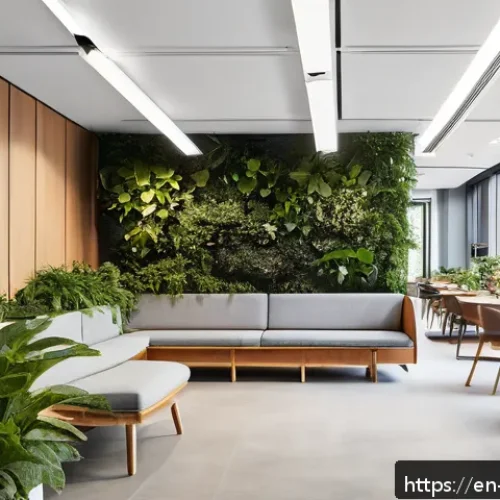
Biophilic design has truly captured my imagination because it speaks directly to our innate human need to connect with nature. It’s not just about adding a few potted plants; it’s about integrating natural elements, patterns, and processes into the built environment to improve health, well-being, and productivity. I’ve personally experienced the calming effect of natural light and organic forms in a workspace. For one project, I designed an office using principles of biophilia, incorporating a living wall, maximizing natural light, and using materials with natural textures. The feedback was incredible – employees reported feeling less stressed and more focused. Understanding how to apply concepts like visual connection with nature, natural analogues, or even dynamic and diffused light can transform a sterile space into a thriving environment. It feels incredibly rewarding to design spaces that don’t just look good, but also actively contribute to the emotional and physical health of the people who inhabit them. This is where design truly becomes an act of care.
글을 마치며
Whew! We’ve covered a lot of ground today, haven’t we? From the foundational theories that truly make a space sing, to the nitty-gritty of codes and the artistry of rendering, and even the often-overlooked but vital business side of things – it’s a journey that demands dedication. I remember feeling overwhelmed at times, but every challenge surmounted, every new skill acquired, has been profoundly rewarding. This isn’t just about passing an exam; it’s about building a robust foundation for a truly fulfilling career where you can genuinely transform spaces and, by extension, lives. Keep pushing forward, embrace the learning curve, and remember why you fell in love with design in the first place.
알아두면 쓸모 있는 정보
1. Network Relentlessly: Seriously, go to industry events, connect on LinkedIn, and even reach out to designers you admire. The insights you gain and the opportunities that arise from these connections are absolutely invaluable for your growth and for finding potential collaborations or clients. I’ve landed some of my best projects simply through a casual conversation!
2. Never Stop Learning: The design world is always evolving. New materials, technologies, and trends emerge constantly. Make it a habit to subscribe to industry journals, attend webinars, and even take advanced courses. Staying current keeps your skills sharp and your perspective fresh, making you a more authoritative and trustworthy expert.
3. Cultivate a Niche: While it’s great to be versatile, consider specializing in an area that truly excites you – be it sustainable design, hospitality, residential, or even historical preservation. A strong niche helps you stand out, attracts your ideal clients, and allows you to deepen your expertise, boosting your authority and command higher fees.
4. Master Client Communication: This is a soft skill that pays huge dividends. Learning to actively listen, clearly articulate your ideas, manage expectations, and gracefully handle feedback is crucial. It builds trust, minimizes misunderstandings, and ensures a smoother, more enjoyable project experience for everyone involved.
5. Build a Living Portfolio: Your portfolio isn’t just a static collection; it should be a dynamic, evolving showcase of your best work, reflecting your current skills and aesthetic. Update it regularly with new projects, professional photos, and even client testimonials. It’s your most powerful marketing tool and a testament to your growing experience and expertise.
중요 사항 정리
To truly excel in interior design and achieve professional certification, a holistic approach is key. You need to marry creative vision with a robust understanding of technical regulations, business acumen, historical context, and sustainable practices. It’s a demanding field, but incredibly rewarding. Focus on building a strong foundational knowledge in design principles, master the intricacies of building codes and material science, and continually refine your visual communication and business management skills. Remember that experience, continuous learning, and a genuine passion for creating meaningful spaces are your greatest assets. Stay curious, stay dedicated, and never underestimate the impact you can make.
Frequently Asked Questions (FAQ) 📖
Q: What are the absolute must-have books that genuinely made a difference for you and other successful interior designers pursuing certification?
A: Oh, this is such a critical question, and one I get asked constantly! Trust me, navigating the sea of textbooks can feel like a full-time job in itself.
From my own journey, and what I consistently hear from folks who’ve successfully aced their exams, the real game-changers aren’t just one type of book.
You absolutely need a solid set of resources covering several key areas. First off, a comprehensive guide specifically for the NCIDQ exam (like those by Amber Book or Qpractice) is non-negotiable.
These resources often break down the vast amount of information into digestible chunks and really pinpoint what you need to know for the actual test format.
Beyond that, I remember feeling so lost until I picked up a robust building codes reference – think the International Building Code (IBC) or a local equivalent.
Knowing your codes isn inside and out isn’t just for the exam; it’s fundamental to being a responsible designer. Then, make sure you have a fantastic resource on professional practice and project management.
This covers everything from contracts to ethics, and it’s where you truly start to connect your design knowledge to real-world business acumen. Lastly, don’t underestimate solid references on design theory, history, and materials.
While some might feel like “fluff” compared to codes, a deep understanding of these principles elevates your work and gives you that nuanced perspective employers and clients truly appreciate.
These aren’t just books to pass an exam; they’re building blocks for your entire career, and investing in them is investing in yourself!
Q: With so many study materials out there, how can I really tell which ones are worth my time and investment, especially when I’m trying to avoid feeling overwhelmed?
A: I totally get this feeling! I remember staring at endless lists of books and courses, wondering if I was picking the right ones, or just throwing money at something that wouldn’t help.
The trick, I found, is to be strategic. First, always, always look for the most current editions. Interior design is constantly evolving, especially when it comes to codes, sustainable practices, and technology, so outdated materials are a huge no-go.
Next, check reviews, but not just any reviews – look for feedback from people who have recently passed their certification exams. Their insights are golden.
Pay attention to how the material is presented; if you’re a visual learner like I am, highly graphic, well-illustrated books or video courses will be more effective than dense text-only tomes.
Another big tip: lean into resources that are explicitly aligned with the certification body you’re targeting, like the NCIDQ. They often have recommended reading lists or endorsed prep courses that are designed to cover precisely what you need.
Finally, and this is key, consider blending your resources. No single book or course will be perfect for everything. I personally found that combining a detailed exam prep guide with a more practical, real-world case study book really clicked for me, giving me both the theory and the application.
Don’t be afraid to sample different things if possible, or talk to people in study groups about what’s working for them.
Q: Beyond just textbooks, what other types of study resources or experiences proved invaluable for not only passing the exam but also preparing for actual interior design projects?
A: This is where the rubber meets the road, and honestly, this is what truly propelled me from just “studying for an exam” to feeling genuinely ready for a career.
While books are foundational, real-world preparation goes beyond the page. For me, practice exams were invaluable – not just taking them, but really diving into why I got answers wrong.
It helped me understand the logic behind the questions, which is a different skill than just memorizing facts. Online courses and webinars, especially those focused on specific industry software or niche topics like accessible design, were also huge.
They often bring in current professionals who share insights that no textbook can capture. But the biggest game-changer? Hands-on experience.
If you can volunteer for a small design project, shadow an experienced designer, or even just visit active construction sites, do it! Seeing how a floor plan translates into a physical space, understanding the challenges of material delivery, or witnessing client interactions firsthand is irreplaceable.
Joining professional organizations, even as a student or aspiring professional, offers networking opportunities and access to industry events that keep you current and connected.
Honestly, the moments I learned the most weren weren’t always in a classroom; they were often when I was asking questions on a job site or getting feedback from a mentor.
It’s these diverse experiences that really cement your knowledge and build that confidence to tackle anything a project throws your way.